Page 236 of 4500

AOPa2 - GND
(A36-6 - A11-1)P-B - W-
BAir outlet servomotor
operation signal
(Passenger side)During actuator check mode.
Change display code 0 to display
code 9.Pulse
generation
AOPa3 - GND
(A36-7 - A11-1)P-G - W-
BAir outlet servomotor
operation signal
(Passenger side)During actuator check mode.
Change display code 0 to display
code 9.Pulse
generation
AOPa4 - GND
(A36-9 - A11-1)P-L - W-
BAir outlet servomotor
operation signal
(Passenger side)During actuator check mode.
Change display code 0 to display
code 9.Pulse
generation
S5-5 - SG-7(1)
(A36-11 - A36-
15)
R - W-L
Cool air bypass damper
position sensor signal
(Driver side)
Ignition switch ON.4.5 to 5.5 V
S5-5 - SG-7(2)
(A36-11 - A36-
15)
R - W-L
Cool air bypass damper
position sensor signal
(Passenger side)
Ignition switch ON.4.5 to 5.5 V
AMPB - GND
(A36-13 - A11-1)Y - W-B
Air mix servomotor
operation voltage
(Passenger side)
Always10 to 14 V
AIF - SG (A36-
16 - A37-19)G-R - W-
BAir inlet damper position
sensor signalIgnition switch ON. Push REC
switch.Below 1.0 V
AIF - SG (A36-
16 - A37-19)G-R - W-
BAir inlet damper position
sensor signalIgnition switch ON. Push FRESH
switch.10 to 14 V
AIR - SG (A36-
17 - A37-19)G-Y - W-
BAir inlet damper position
sensor signalIgnition switch ON. Push FRESH
switch.Below 1.0 V
AIR - SG (A36-
17 - A37-19)G-Y - W-
BAir inlet damper position
sensor signalIgnition switch ON. Push REC
switch.10 to 14 V
TE - SG-7 (A36-
20 - A36-15)L-Y - W-
LEvaporator temperature
sensor signalIgnition switch ON. Evaporator
temperature 0 °C (32 °F).2.0 to 2.4V
TE - SG-7 (A36-
20 - A36-15)L-Y - W-
LEvaporator temperature
sensor signalIgnition switch ON. Evaporator
temperature 15 °C (59 °F).1.4 to 1.8 V
TPBDr - SG-7
(A36-24 - A36-
15)B-R - W-
LCool air bypass
servomotor operation
signal (Driver side)Change display code 9 to display
code 0.3.5 to 4.5 V
TPBDr - SG-7
(A36-24 - A36-
15)B-R - W-
LCool air bypass
servomotor operation
signal (Driver side)Change display code 2 to display
code 3.0.5 to 1.8 V
AOPB - GND
(A36-26 - A11-1)Y-R - W-
BAir outlet servomotor
operation voltage
(Passenger side)
Always10 to 14 V
(1)w/o LEXUS Navigation System
(2)w/ Rear A/C
Page 242 of 4500
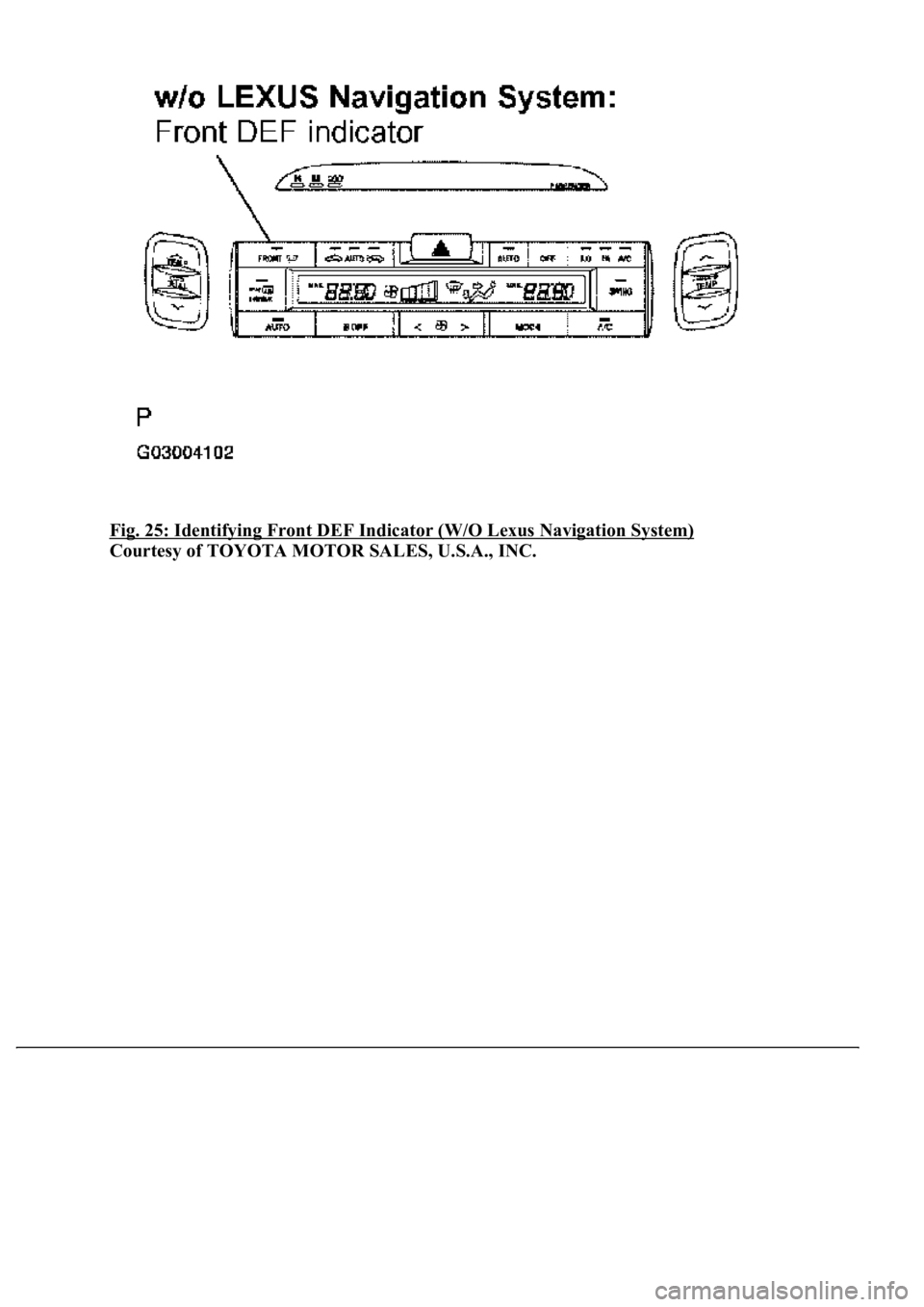
Fig. 25: Identifying Front DEF Indicator (W/O Lexus Navigation System)
Courtesy of TOYOTA MOTOR SALES, U.S.A., INC.
Page 243 of 4500
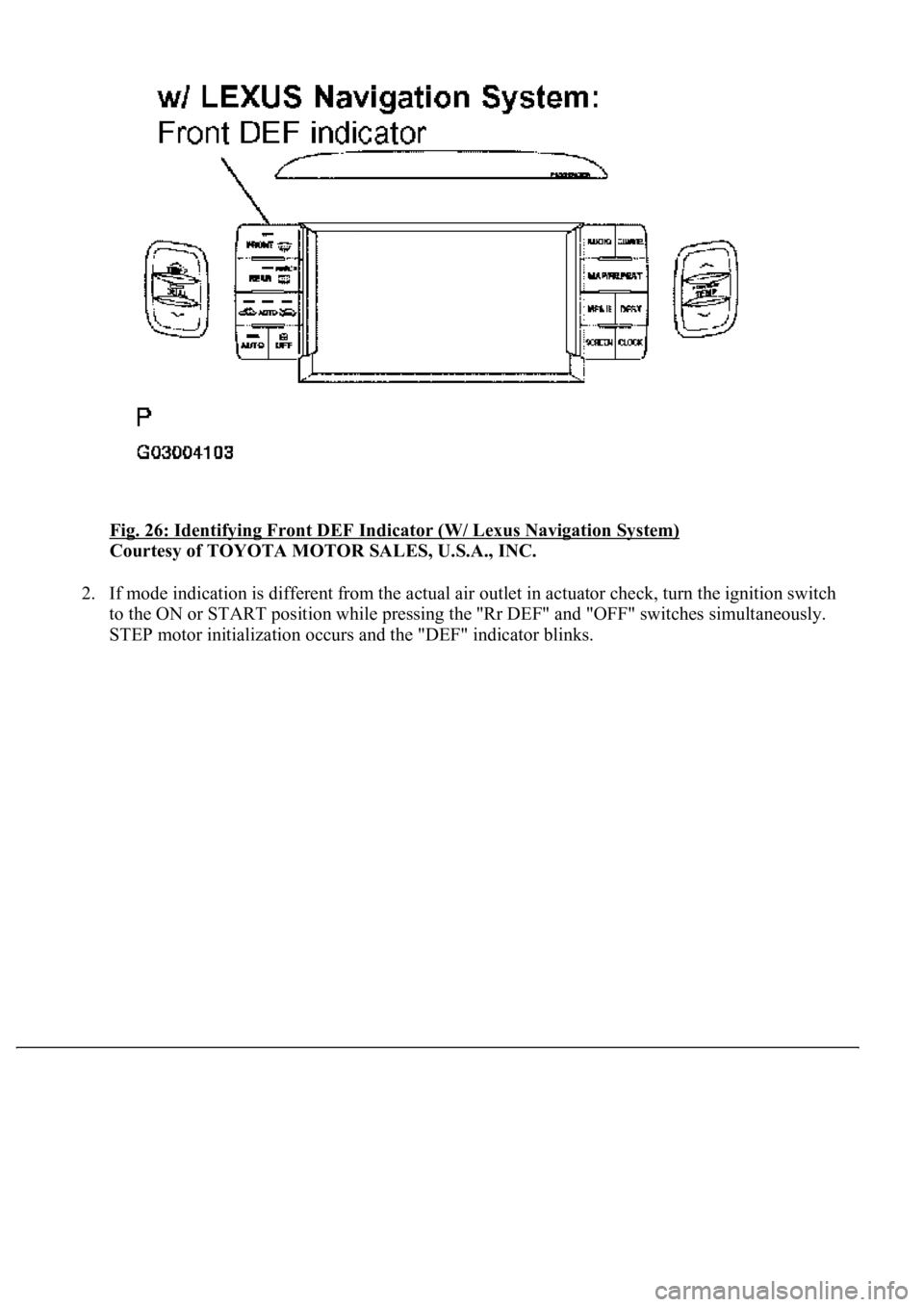
Fig. 26: Identifying Front DEF Indicator (W/ Lexus Navigation System)
Courtesy of TOYOTA MOTOR SALES, U.S.A., INC.
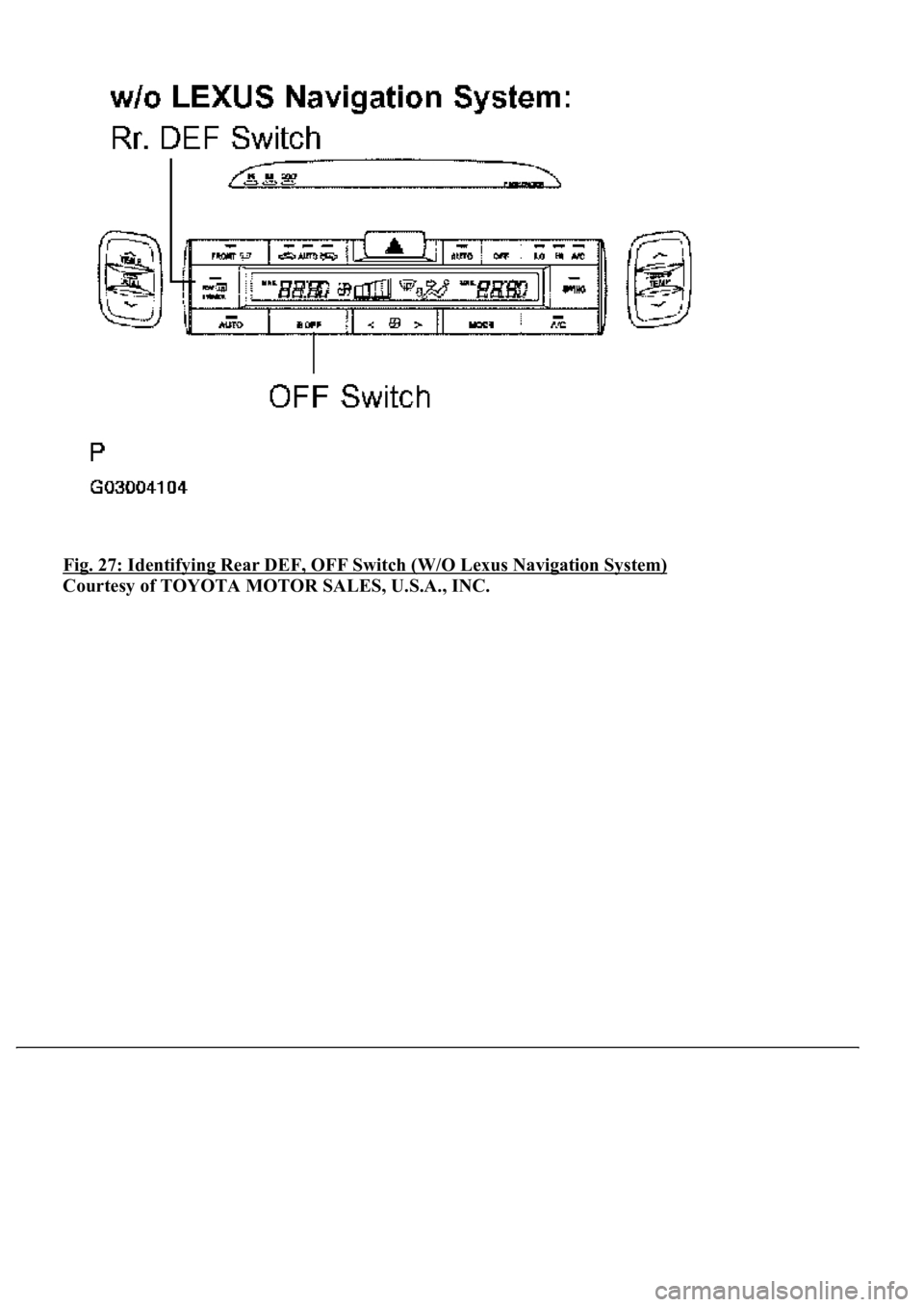
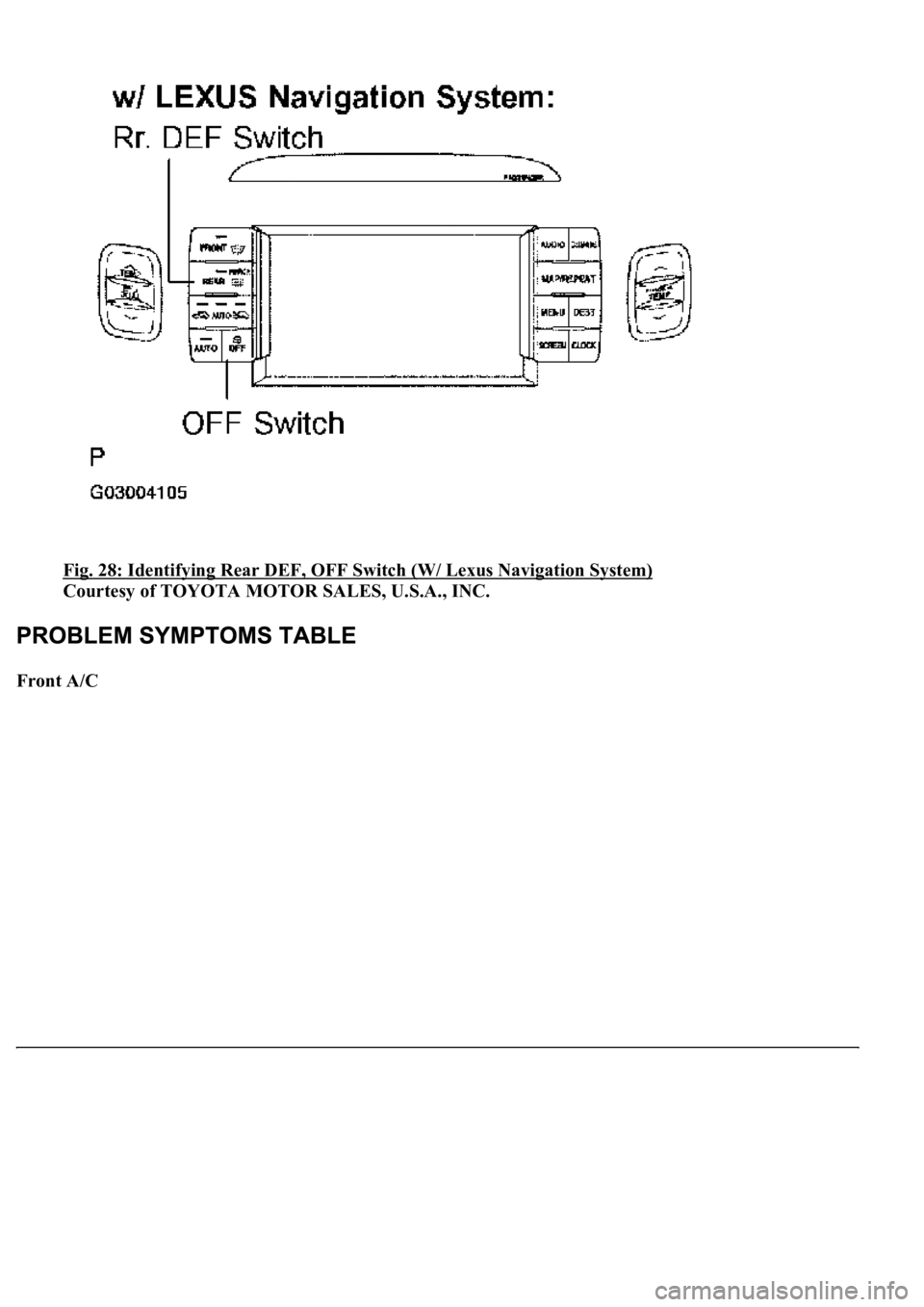
2. If mode indication is different from the actual air outlet in actuator check, turn the ignition switch
to the ON or START position while pressing the "Rr DEF" and "OFF" switches simultaneously.
STEP motor initialization occurs and the "DEF" indicator blinks.
Page 244 of 4500
Fig. 27: Identifying Rear DEF, OFF Switch (W/O Lexus Navigation System)
Courtesy of TOYOTA MOTOR SALES, U.S.A., INC.
Page 245 of 4500
Fig. 28: Identifying Rear DEF, OFF Switch (W/ Lexus Navigation System)
Courtesy of TOYOTA MOTOR SALES, U.S.A., INC.
Front A/C
Page 657 of 4500
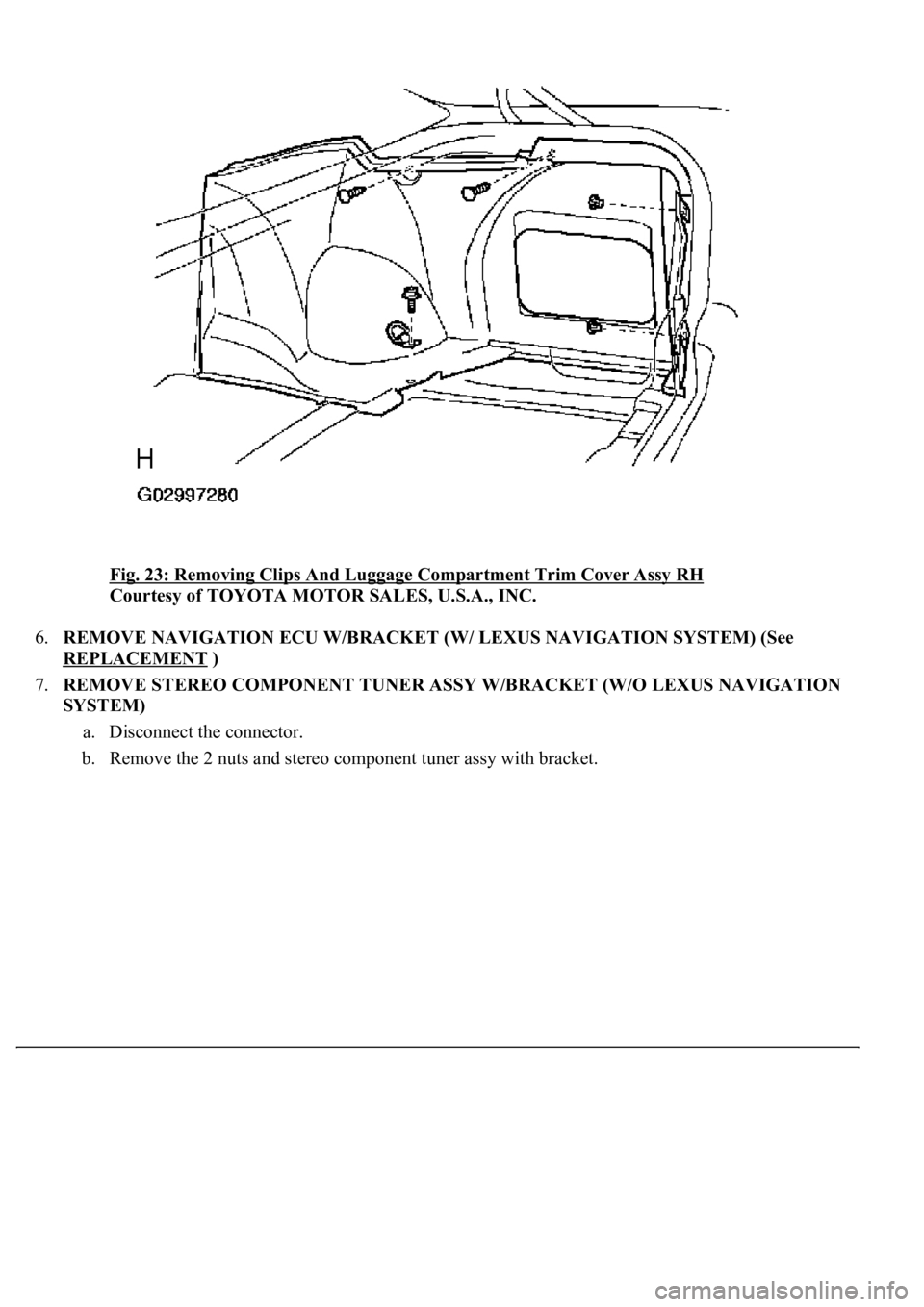
Fig. 23: Removing Clips And Luggage Compartment Trim Cover Assy RH
Courtesy of TOYOTA MOTOR SALES, U.S.A., INC.
6.REMOVE NAVIGATION ECU W/BRACKET (W/ LEXUS NAVIGATION SYSTEM) (See
REPLACEMENT
)
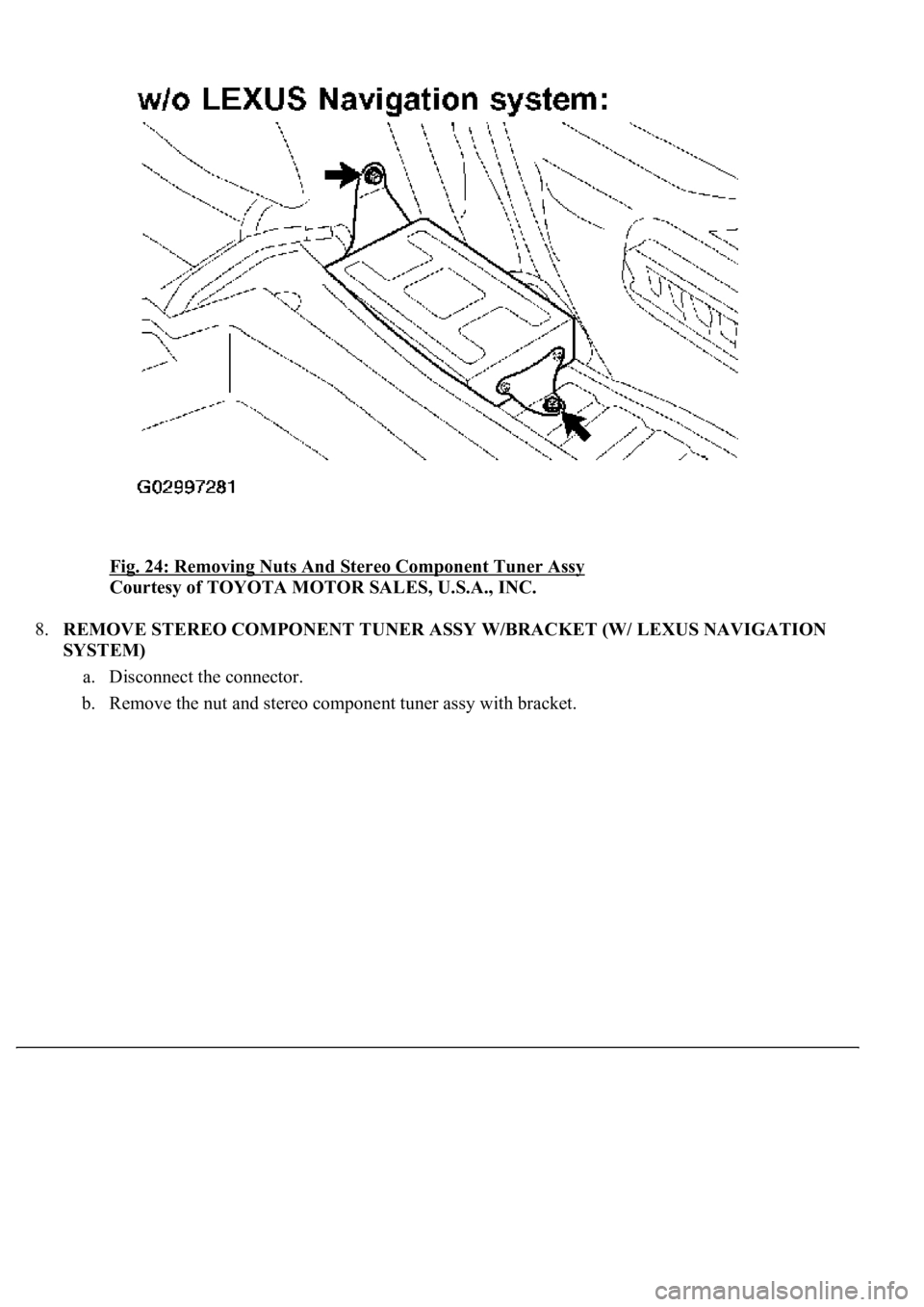
7.REMOVE STEREO COMPONENT TUNER ASSY W/BRACKET (W/O LEXUS NAVIGATION
SYSTEM)
a. Disconnect the connector.
b. Remove the 2 nuts and stereo component tuner assy with bracket.
Page 658 of 4500
Fig. 24: Removing Nuts And Stereo Component Tuner Assy
Courtesy of TOYOTA MOTOR SALES, U.S.A., INC.
8.REMOVE STEREO COMPONENT TUNER ASSY W/BRACKET (W/ LEXUS NAVIGATION
SYSTEM)
a. Disconnect the connector.
b. Remove the nut and stereo component tuner assy with bracket.
Page 705 of 4500
By converting the digital signals to analog, it can play music and other things. In general, CD
players can play 4.7-inch (12 cm) or 3.2-inch (8 cm) disc.
HINT:
Do not disassemble any part of the CD player.
Do not apply oil to the CD player.
Do not insert anything but a CD into the CD player.
2.AVC-LAN Description
a. What is AVC-LAN?
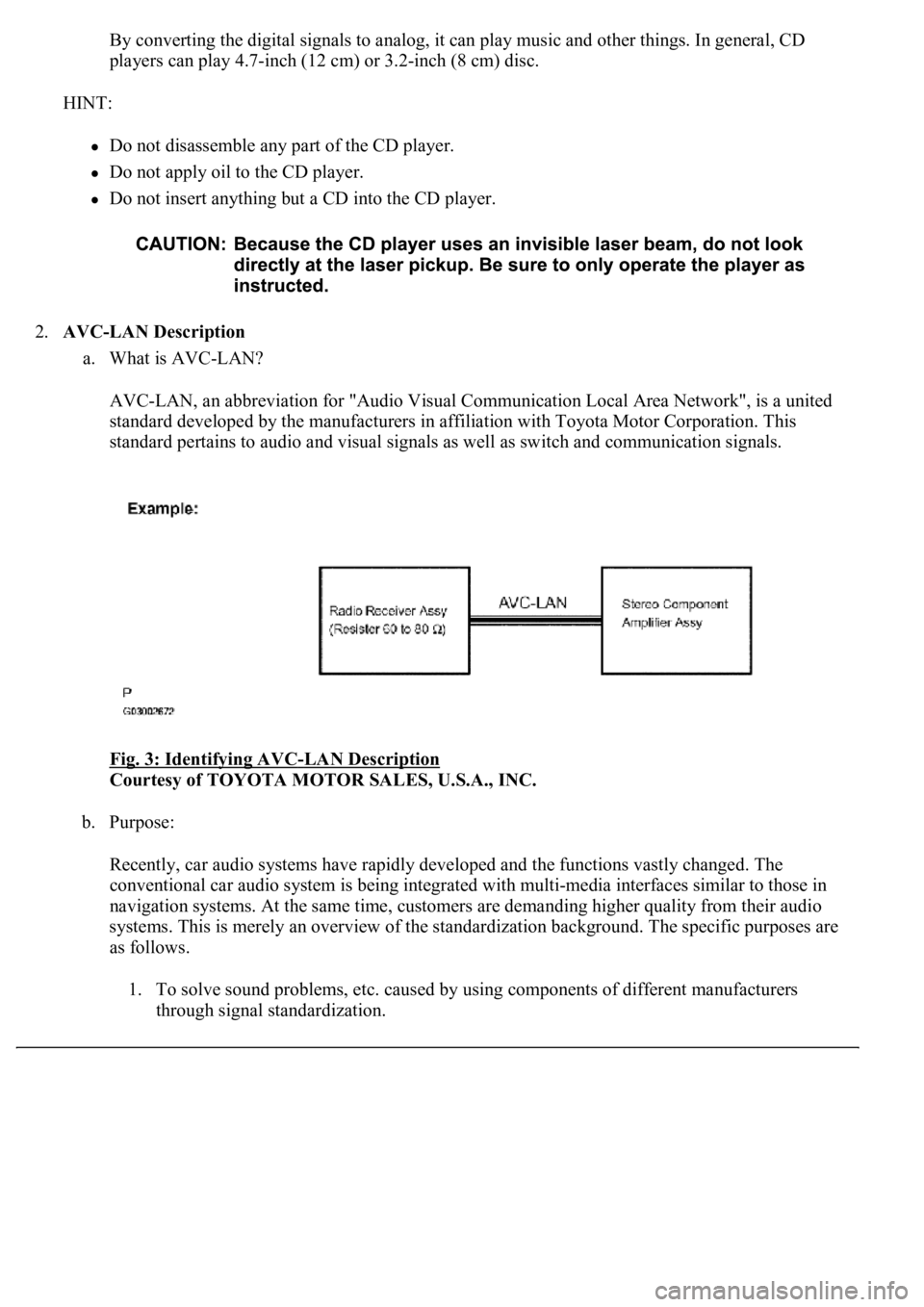
AVC-LAN, an abbreviation for "Audio Visual Communication Local Area Network", is a united
standard developed by the manufacturers in affiliation with Toyota Motor Corporation. This
standard pertains to audio and visual signals as well as switch and communication signals.
Fig. 3: Identifying AVC
-LAN Description
Courtesy of TOYOTA MOTOR SALES, U.S.A., INC.
b. Purpose:
Recently, car audio systems have rapidly developed and the functions vastly changed. The
conventional car audio system is being integrated with multi-media interfaces similar to those in
navigation systems. At the same time, customers are demanding higher quality from their audio
systems. This is merely an overview of the standardization background. The specific purposes are
as follows.
1. To solve sound problems, etc. caused by using components of different manufacturers
through signal standardization.