Page 586 of 875
GM – CAMARO 1982-1992 – Repair Guide (Checked by WxMax) 586
6. Connect the MAP sensor
electrical wiring.
7. Connect the MAP sensor vacuum harness connector.
8. Connect the negative battery cable.
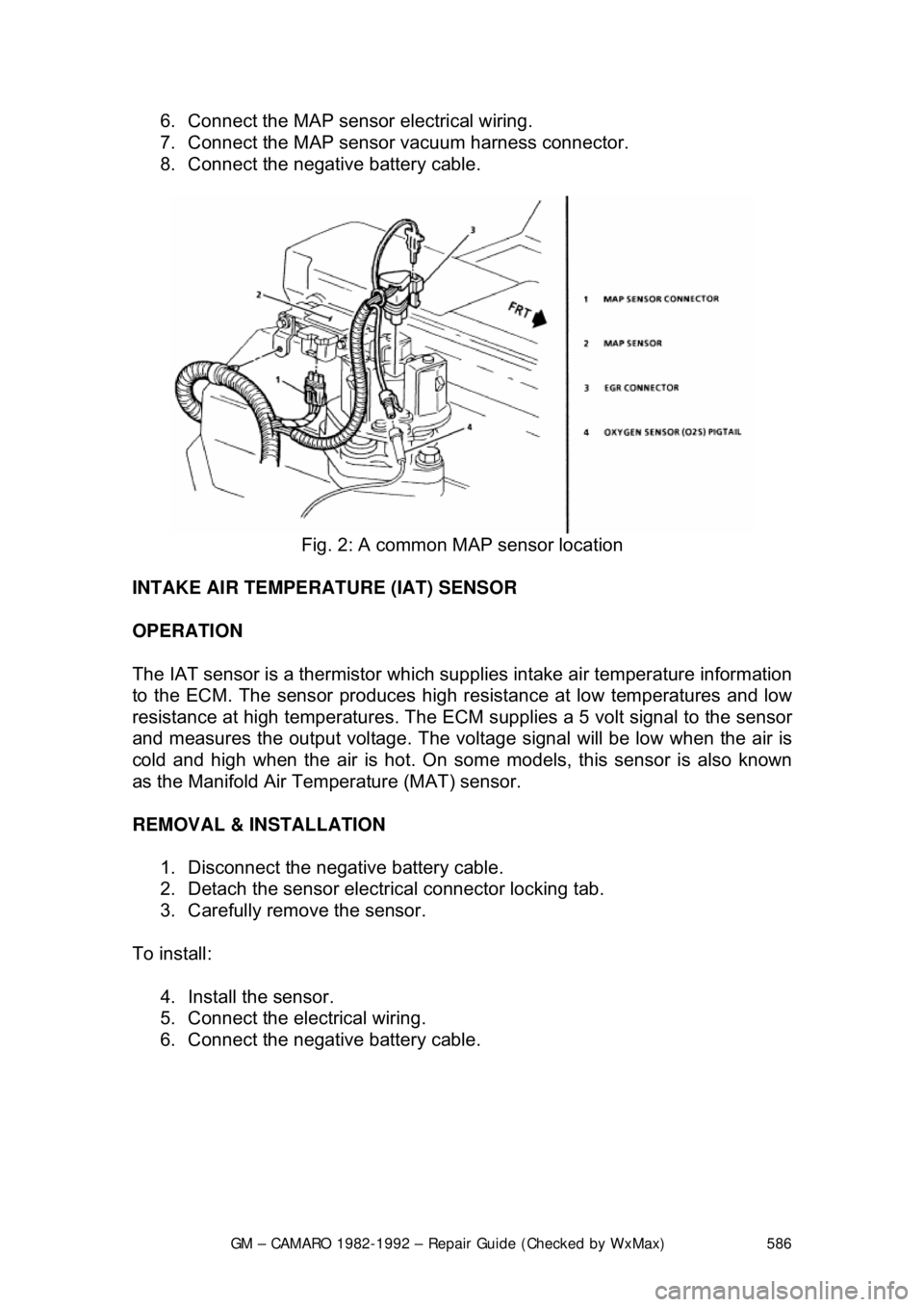
Fig. 2: A common MAP sensor location
INTAKE AIR TEMPERATURE (IAT) SENSOR
OPERATION
The IAT sensor is a thermistor which su pplies intake air temperature information
to the ECM. The sensor produces high re sistance at low temperatures and low
resistance at high temperatures. The ECM supplies a 5 volt signal to the sensor
and measures the output voltage. The vo ltage signal will be low when the air is
cold and high when the air is hot. On so me models, this sensor is also known
as the Manifold Air Tem perature (MAT) sensor.
REMOVAL & INSTALLATION 1. Disconnect the negative battery cable.
2. Detach the sensor electr ical connector locking tab.
3. Carefully remove the sensor.
To install: 4. Install the sensor.
5. Connect the electrical wiring.
6. Connect the negative battery cable.
Page 587 of 875
GM – CAMARO 1982-1992 – Repair Guide (Checked by WxMax) 587
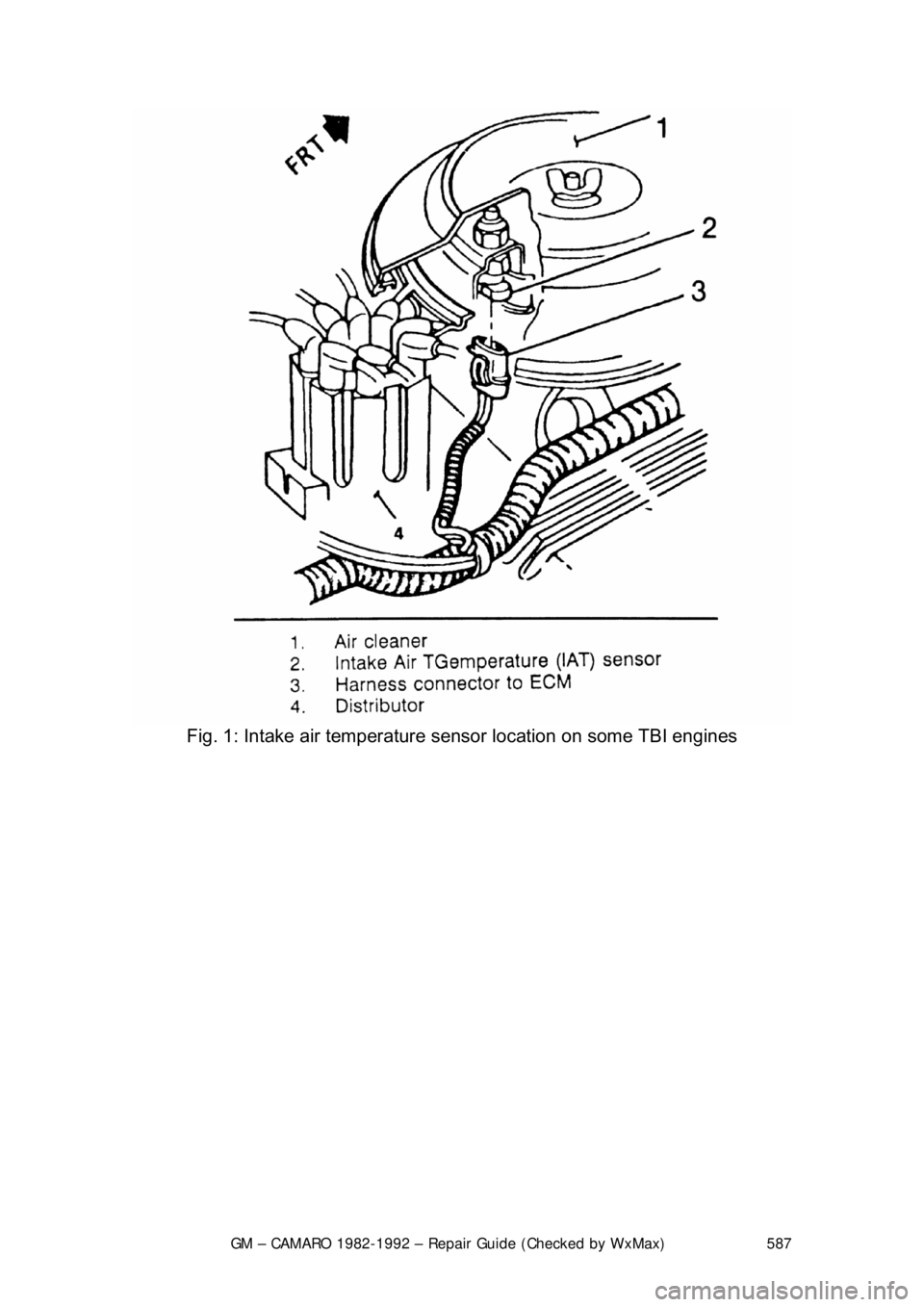
Fig. 1: Intake air te mperature sensor location on some TBI engines
Page 588 of 875
GM – CAMARO 1982-1992 – Repair Guide (Checked by WxMax) 588
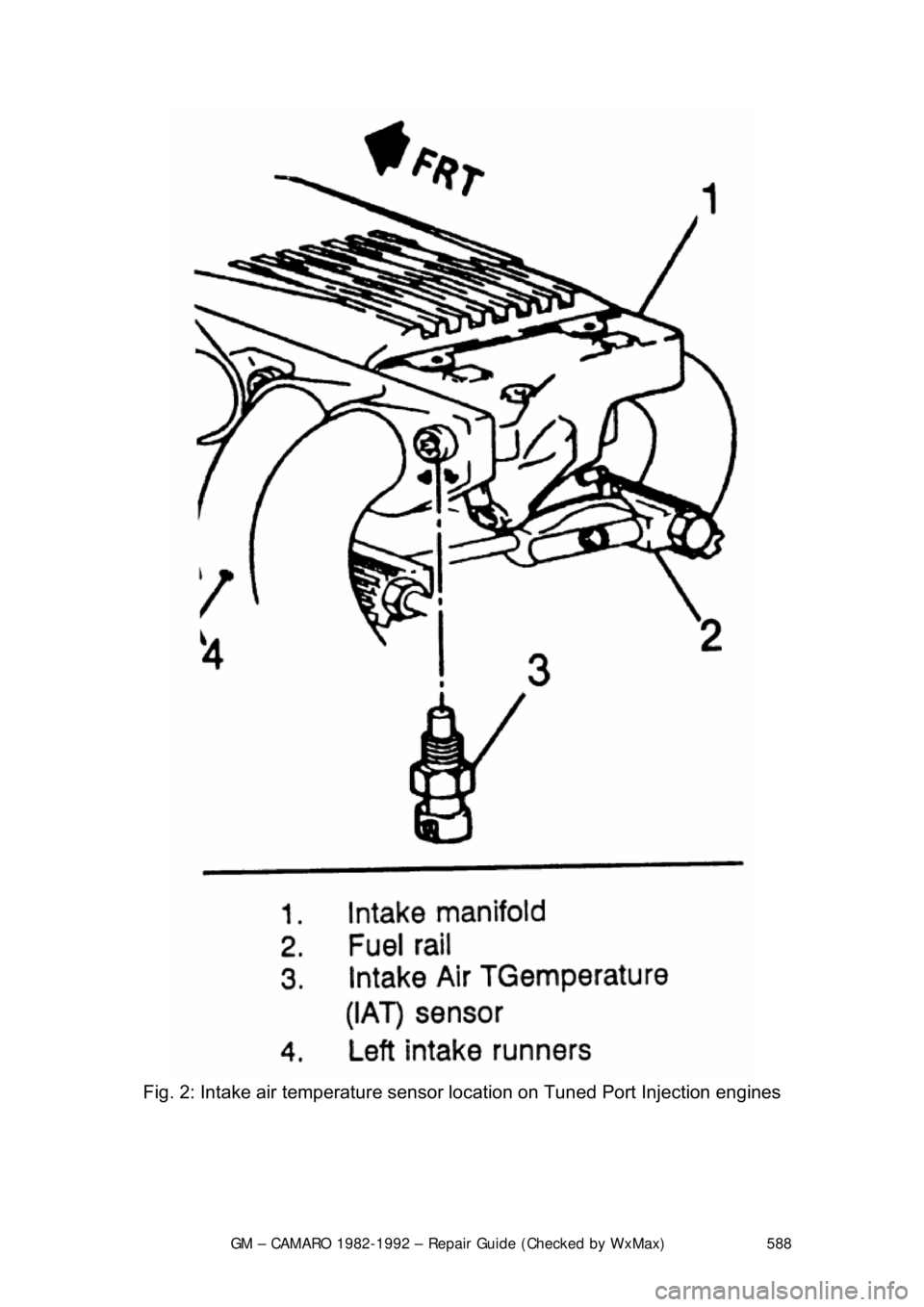
Fig. 2: Intake air temperature sensor location on Tuned Port Injection engines
Page 589 of 875
GM – CAMARO 1982-1992 – Repair Guide (Checked by WxMax) 589
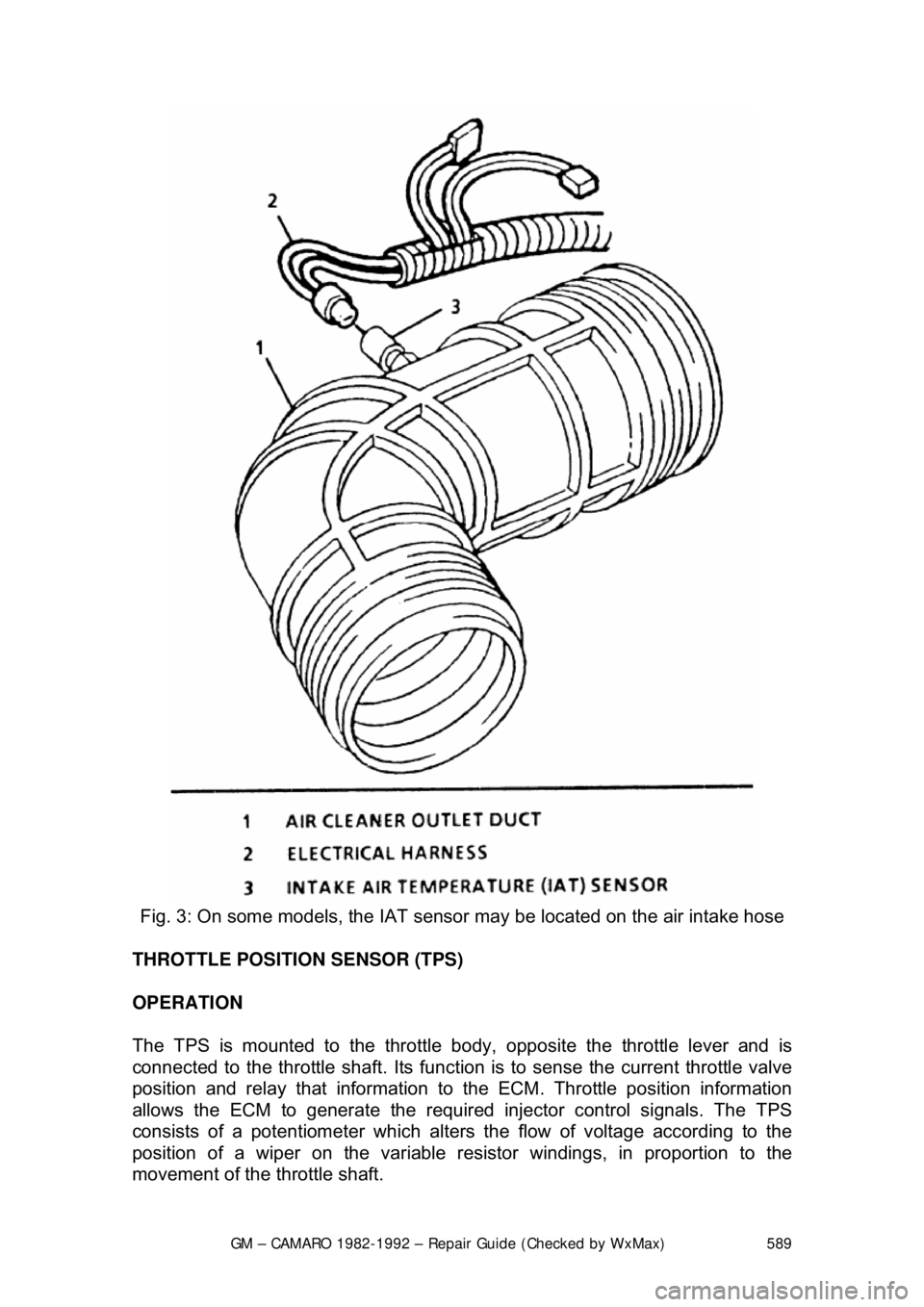
Fig. 3: On some models, the IAT sens or may be located on the air intake hose
THROTTLE POSITION SENSOR (TPS)
OPERATION
The TPS is mounted to the throttle body, opposite the throttle lever and is
connected to the throttle shaft. Its functi on is to sense the current throttle valve
position and relay that information to the ECM. Throttle position information
allows the ECM to generate the required injector control signals. The TPS
consists of a potentiometer which alters the flow of voltage according to the
position of a wiper on the variable resi stor windings, in proportion to the
movement of the throttle shaft.
Page 590 of 875

GM – CAMARO 1982-1992 – Repair Guide (Checked by WxMax) 590
REMOVAL & INSTALLATION
1. Disconnect the negative battery cable.
2. Disconnect the TPS electrical wiring.
3. Remove the mounting screws.
4. Remove the TPS and, if equipped, s ensor seal from the throttle body.
To install: 5. Place the TPS in positi on. Align the TPS lever with the sensor drive lever
on the throttle body.
6. Install the TPS mounting screws.
7. Connect the electrical wiring.
8. Connect the negative battery cable.
Fig. 1: Exploded view of a common TPS assembly
MASS AIR FLOW (MAF) SENSOR
OPERATION
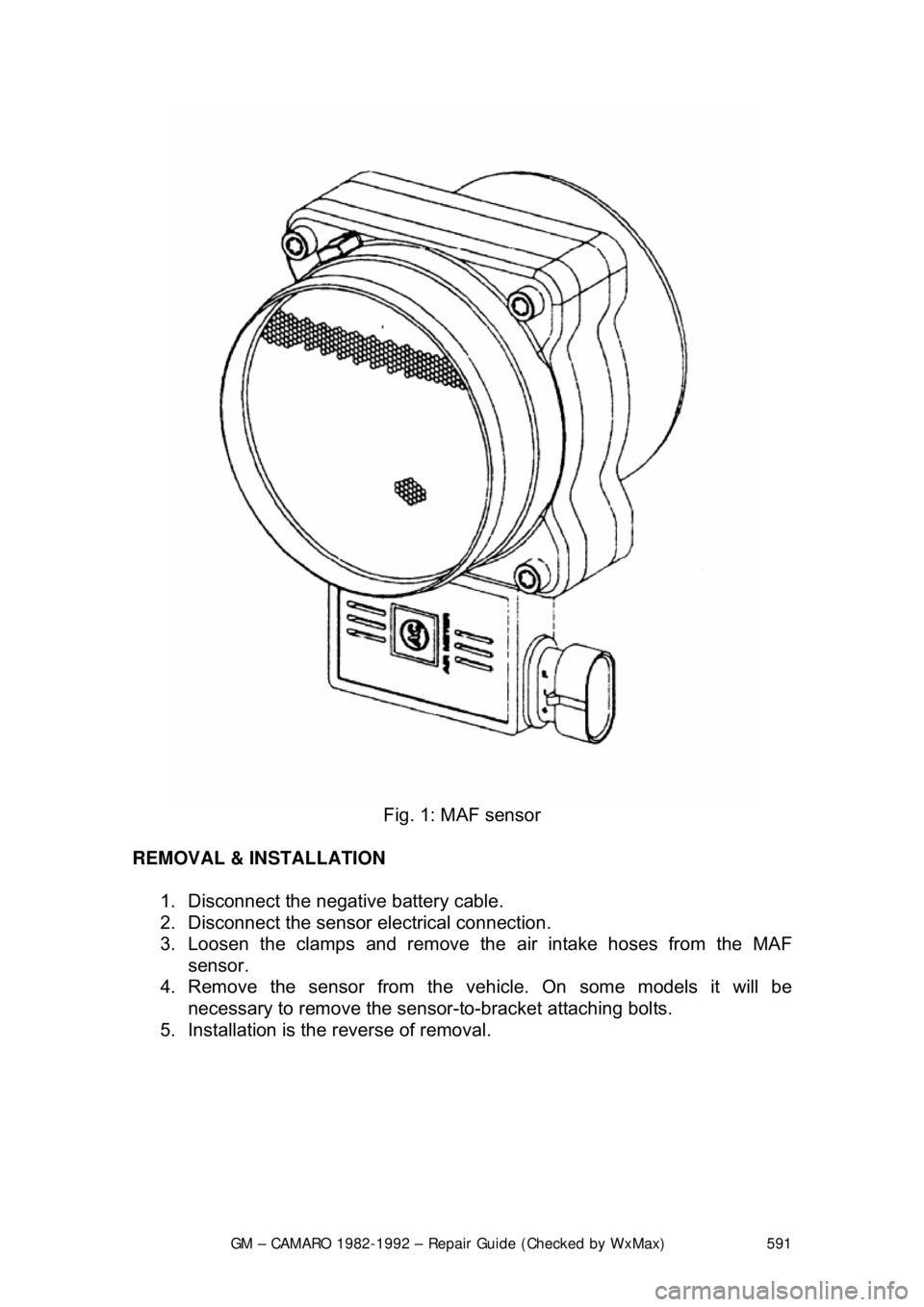
The Mass Air Flow (MAF) sensor, found on some fuel injected engines,
measures the amount of air passing through it. The ECM uses this information
to determine the operating cond ition of the engine, to control fuel delivery. A
large quantity of air indicates acceleration, while a small quantity indicates
deceleration or idle.
The MAF sensor used on these vehicles is of the hot-wire type. Current is
supplied to the sensing wire to maintain a calibrated temperature, and as air
flow increases or decreases the current will vary. This varying current is directly
proportional to air mass.
Page 591 of 875
GM – CAMARO 1982-1992 – Repair Guide (Checked by WxMax) 591
Fig. 1: MAF sensor
REMOVAL & INSTALLATION 1. Disconnect the negative battery cable.
2. Disconnect the sensor electrical connection.
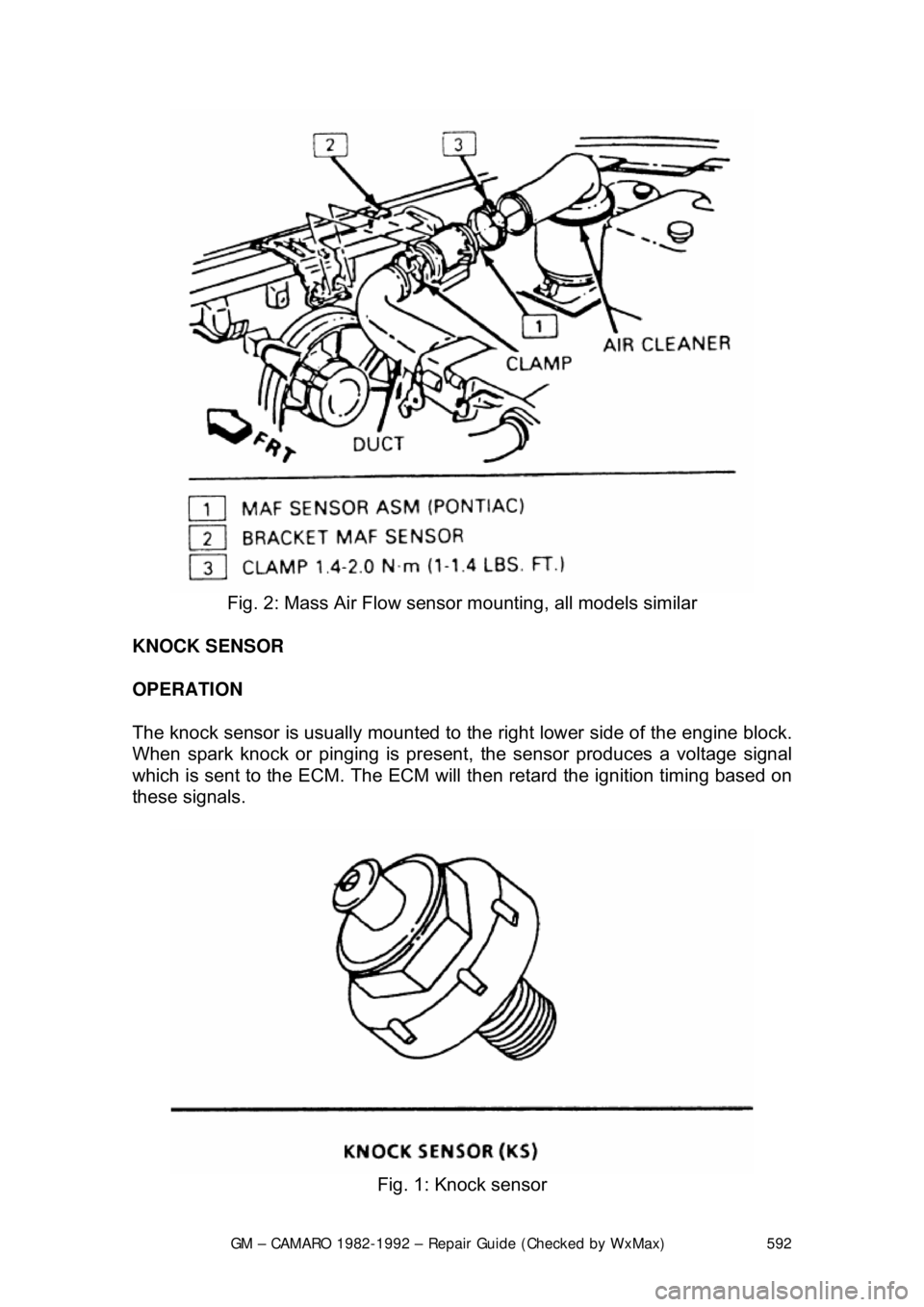
3. Loosen the clamps and remove the air intake hoses from the MAF
sensor.
4. Remove the sensor from the v ehicle. On some models it will be
necessary to remove the senso r-to-bracket attaching bolts.
5. Installation is the reverse of removal.
Page 592 of 875
GM – CAMARO 1982-1992 – Repair Guide (Checked by WxMax) 592
Fig. 2: Mass Air Flow sensor mounting, all models similar
KNOCK SENSOR
OPERATION
The knock sensor is usually mounted to the right lower side of the engine block.
When spark knock or pinging is present, the sensor produces a voltage signal
which is sent to the ECM. The ECM will then retard the ignition timing based on
these signals.
Fig. 1: Knock sensor
Page 593 of 875
GM – CAMARO 1982-1992 – Repair Guide (Checked by WxMax) 593
REMOVAL & INSTALLATION
1. Disconnect the negative battery cable.
2. Drain the engine coolant.
3. Raise and properly support the vehicle.
4. Disconnect the knock sensor wiring harness.
5. Remove the knock sensor from the engine block.
CAUTION - The knock sensor is mounted in the engine block cooling passage.
Engine coolant in the block will dr ain when the sensor is removed.
6. Installation is the reverse of remova l. Tighten the sensor to 14 ft. lbs (19
Nm).
VEHICLE SPEED SENSOR (VSS)
OPERATION
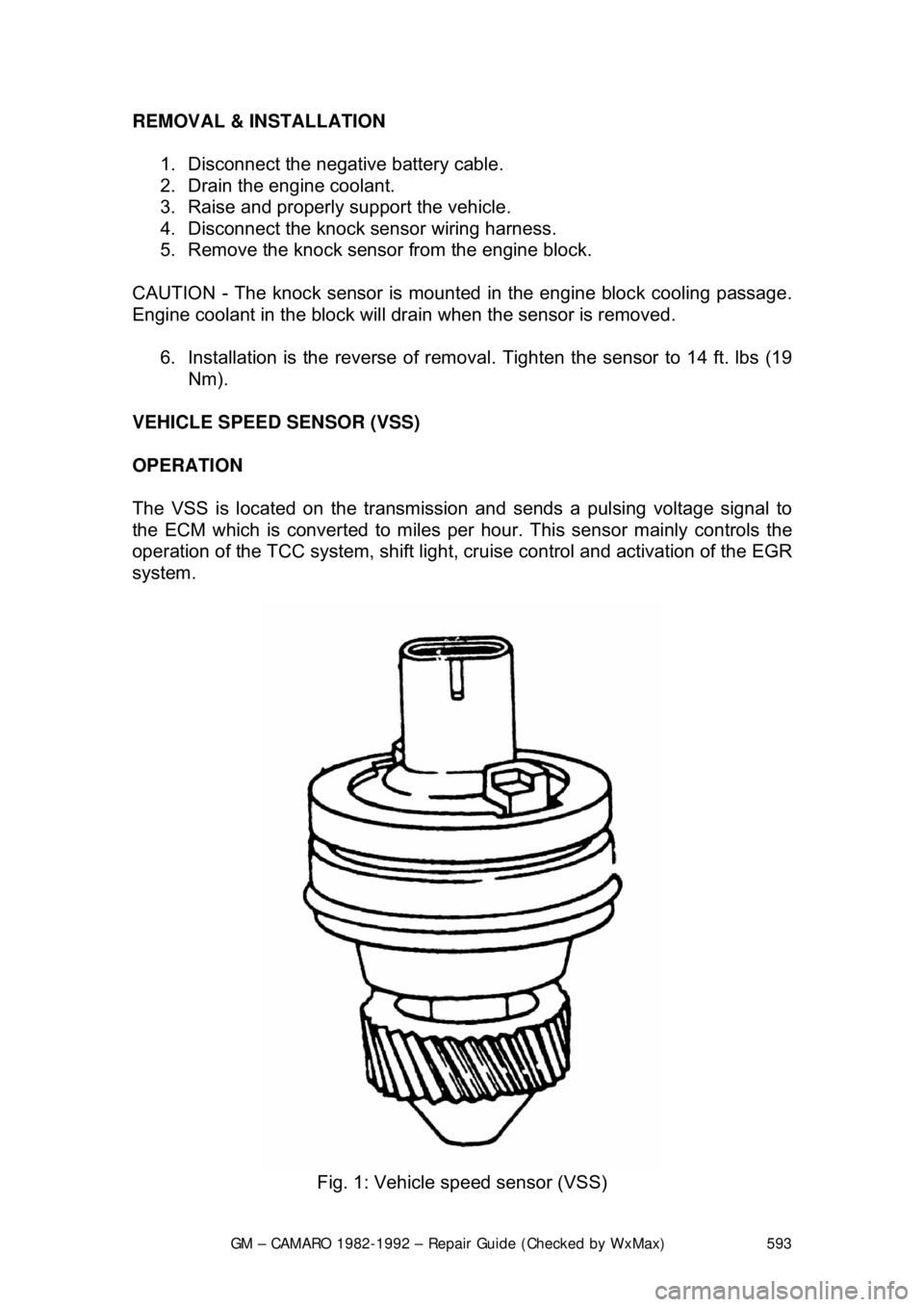
The VSS is located on the transmission and sends a pulsing voltage signal to
the ECM which is converted to miles per hour. This sensor mainly controls the
operation of the TCC system, shift light, cr uise control and activation of the EGR
system.
Fig. 1: Vehicle speed sensor (VSS)