Page 4383 of 4500
Fig. 35: Removing Meter Hood Retainer No.1
Courtesy of TOYOTA MOTOR SALES, U.S.A., INC.
61.REMOVE METER HOOD RETAINER NO.1
a. Remove the screw < N > and the meter hood retainer No.1.
62.REMOVE NAVIGATION ANTENNA ASSY (W/LEXUS NAVIGATION SYSTEM) (SEE
REPLACEMENT
)
63.REMOVE FRONT NO.2 SPEAKER ASSY (SEE REPLACEMENT
)
64.REMOVE DEFROSTER NOZZLE GARNISH NO.1
a. Using a moulding remover, disengage the 2 clips and remove the defroster nozzle garnish No.1.
HINt:
Use a screwdriver if a moulding remover is not available.
tape up the screwdriver tip before use.
Page 4441 of 4500
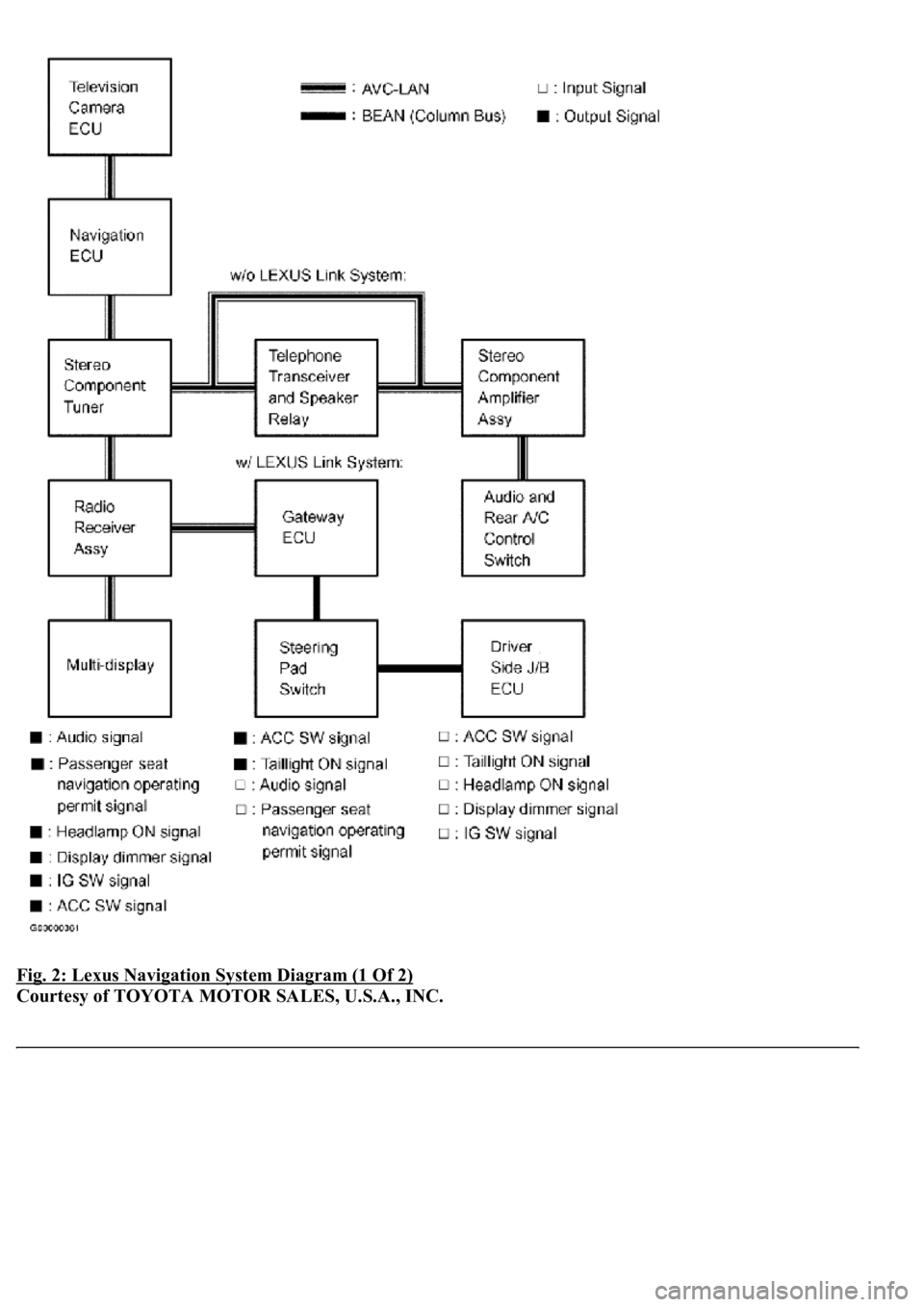
Fig. 2: Lexus Navigation System Diagram (1 Of 2)
Courtesy of TOYOTA MOTOR SALES, U.S.A., INC.
Page 4442 of 4500
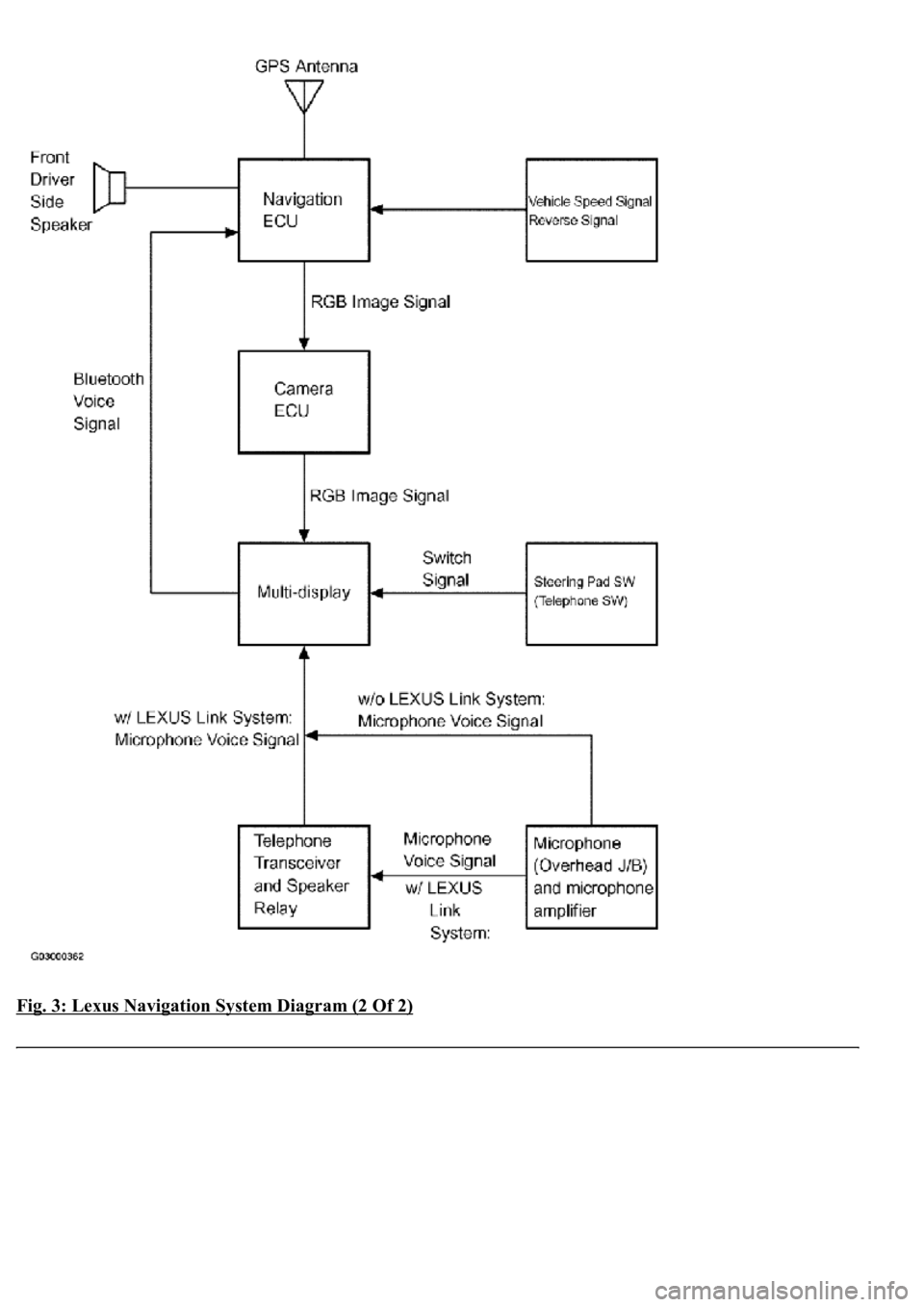
Fig. 3: Lexus Navigation System Diagram (2 Of 2)
Page 4443 of 4500
Courtesy of TOYOTA MOTOR SALES, U.S.A., INC.
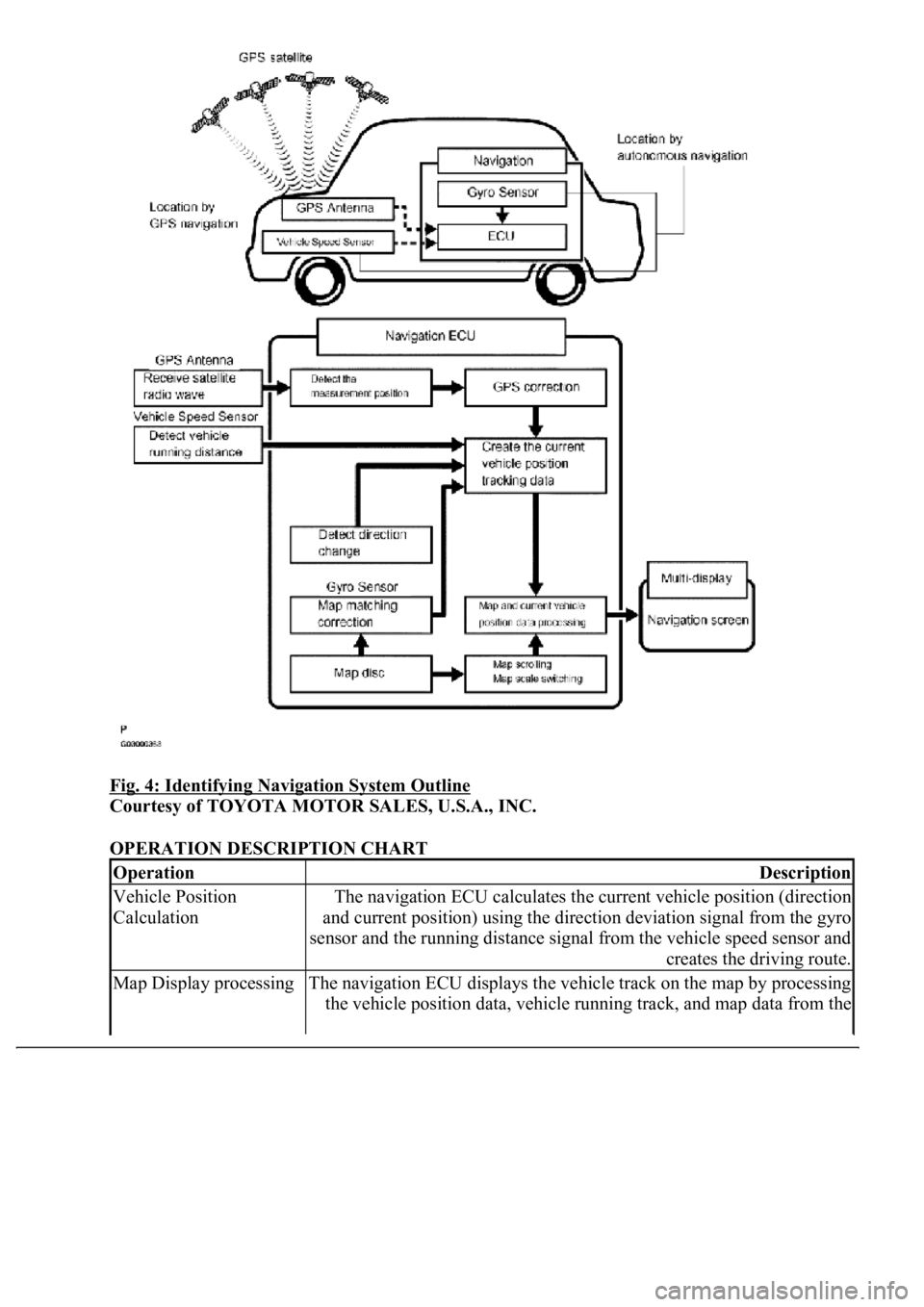
1.Navigation system outline
a. Vehicle position tracking methods
It is essential that the navigation system correctly tracks the current vehicle position and displays it
on the map. There are 2 methods to track the current vehicle position: autonomous (dead
reckoning) and GPS* (satellite) navigation. Both navigation methods are used in conjunction with
each other.
* GPS (Global Positionin
g System)
Page 4444 of 4500
Fig. 4: Identifying Navigation System Outline
Courtesy of TOYOTA MOTOR SALES, U.S.A., INC.
OPERATION DESCRIPTION CHART
OperationDescription
Vehicle Position
CalculationThe navigation ECU calculates the current vehicle position (direction
and current position) using the direction deviation signal from the gyro
sensor and the running distance signal from the vehicle speed sensor and
creates the driving route.
Map Display processingThe navigation ECU displays the vehicle track on the map by processing
the vehicle position data, vehicle running track, and map data from the
Page 4448 of 4500
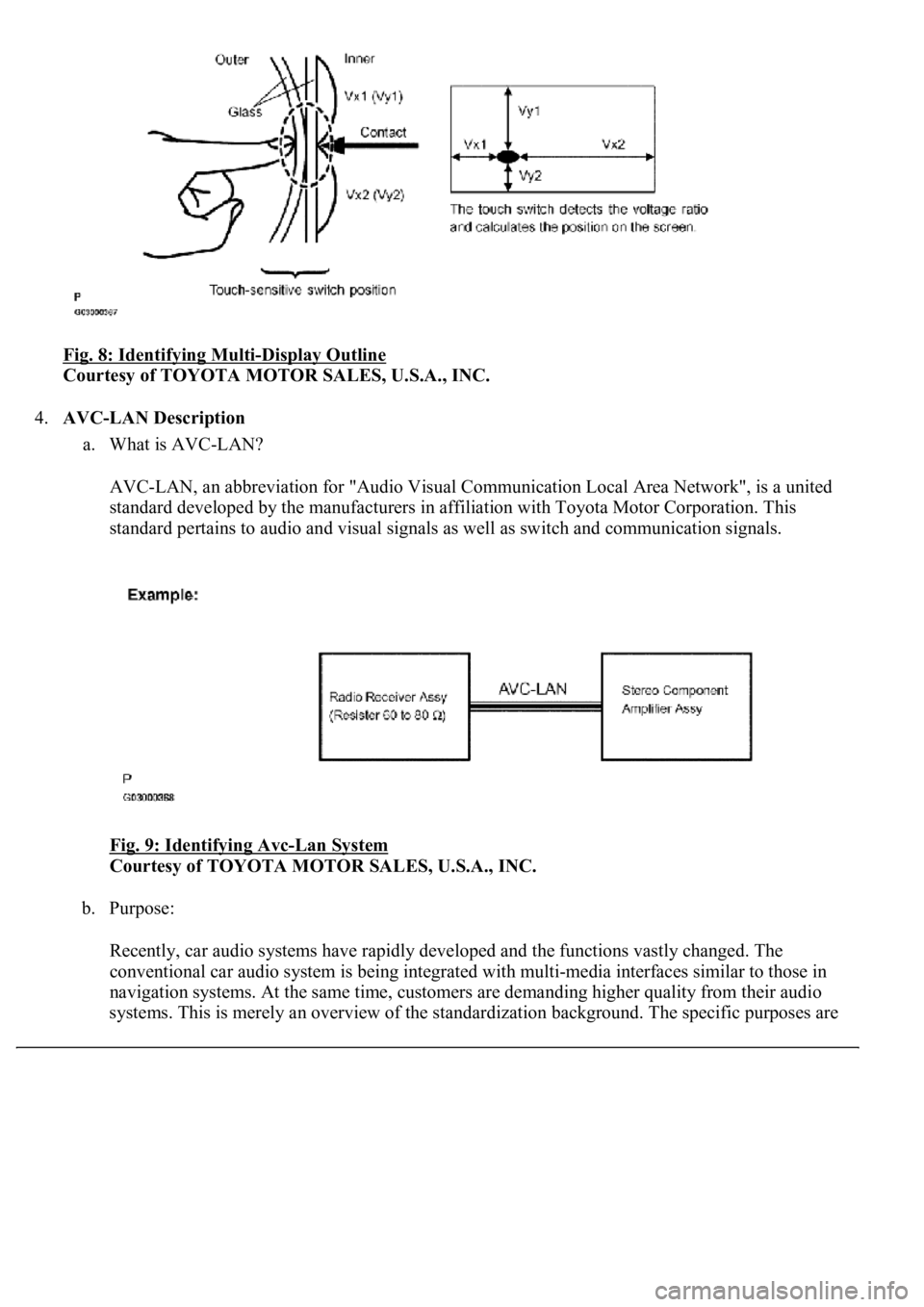
Fig. 8: Identifying Multi-Display Outline
Courtesy of TOYOTA MOTOR SALES, U.S.A., INC.
4.AVC-LAN Description
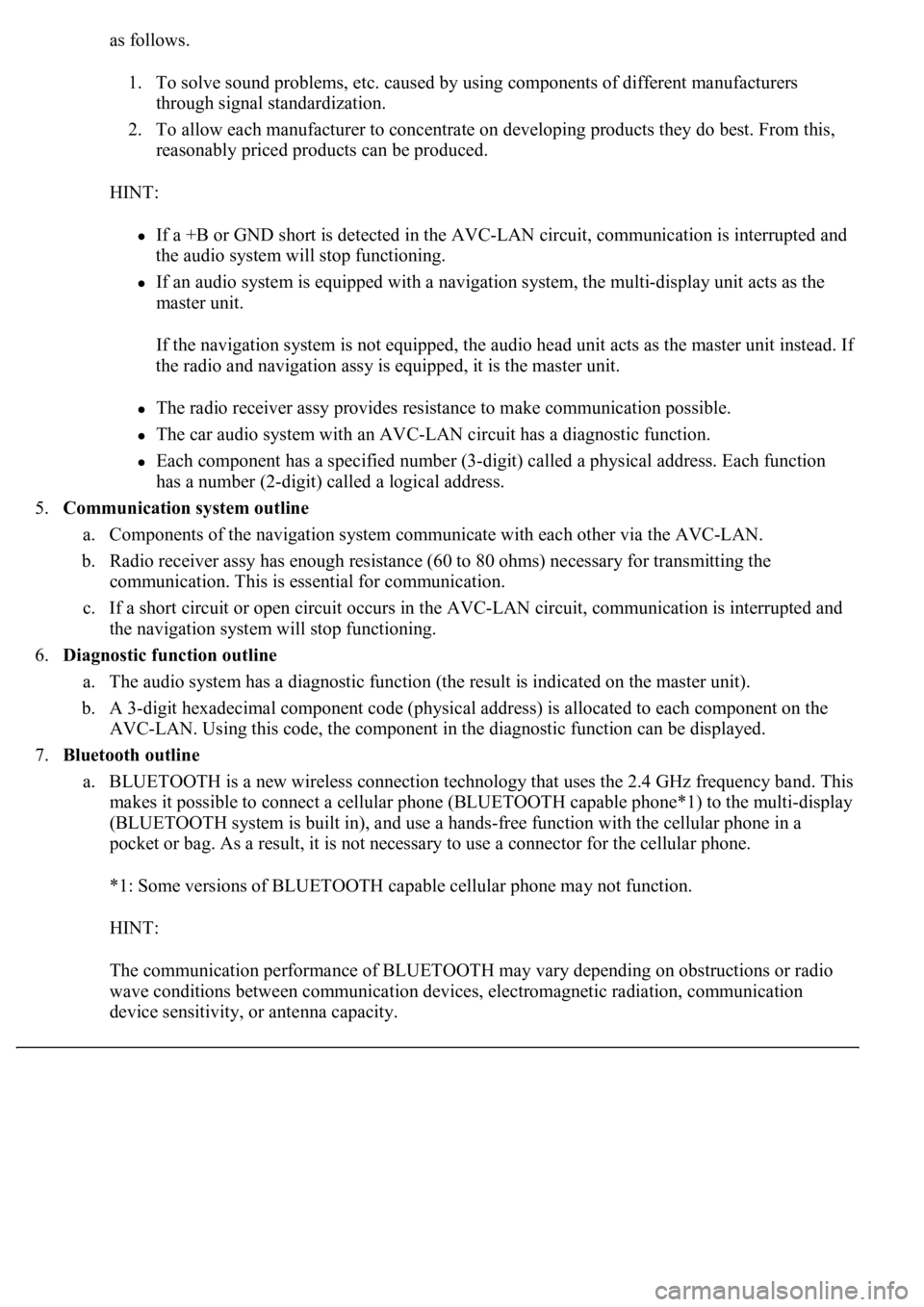
a. What is AVC-LAN?
AVC-LAN, an abbreviation for "Audio Visual Communication Local Area Network", is a united
standard developed by the manufacturers in affiliation with Toyota Motor Corporation. This
standard pertains to audio and visual signals as well as switch and communication signals.
Fig. 9: Identifying Avc
-Lan System
Courtesy of TOYOTA MOTOR SALES, U.S.A., INC.
b. Purpose:
Recently, car audio systems have rapidly developed and the functions vastly changed. The
conventional car audio system is being integrated with multi-media interfaces similar to those in
navigation systems. At the same time, customers are demanding higher quality from their audio
s
ystems. This is merely an overview of the standardization background. The specific purposes are
Page 4449 of 4500
as follows.
1. To solve sound problems, etc. caused by using components of different manufacturers
through signal standardization.
2. To allow each manufacturer to concentrate on developing products they do best. From this,
reasonably priced products can be produced.
HINT:
If a +B or GND short is detected in the AVC-LAN circuit, communication is interrupted and
the audio system will stop functioning.
If an audio system is equipped with a navigation system, the multi-display unit acts as the
master unit.
If the navigation system is not equipped, the audio head unit acts as the master unit instead. I
f
the radio and navigation assy is equipped, it is the master unit.
The radio receiver assy provides resistance to make communication possible.
The car audio system with an AVC-LAN circuit has a diagnostic function.
Each component has a specified number (3-digit) called a physical address. Each function
has a number (2-digit) called a logical address.
5.Communication system outline
a. Components of the navigation system communicate with each other via the AVC-LAN.
b. Radio receiver assy has enough resistance (60 to 80 ohms) necessary for transmitting the
communication. This is essential for communication.
c. If a short circuit or open circuit occurs in the AVC-LAN circuit, communication is interrupted and
the navigation system will stop functioning.
6.Diagnostic function outline
a. The audio system has a diagnostic function (the result is indicated on the master unit).
b. A 3-digit hexadecimal component code (physical address) is allocated to each component on the
AVC-LAN. Using this code, the component in the diagnostic function can be displayed.
7.Bluetooth outline
a. BLUETOOTH is a new wireless connection technology that uses the 2.4 GHz frequency band. This
makes it possible to connect a cellular phone (BLUETOOTH capable phone*1) to the multi-display
(BLUETOOTH system is built in), and use a hands-free function with the cellular phone in a
pocket or bag. As a result, it is not necessary to use a connector for the cellular phone.
*1: Some versions of BLUETOOTH capable cellular phone may not function.
HINT:
The communication performance of BLUETOOTH may vary depending on obstructions or radio
wave conditions between communication devices, electromagnetic radiation, communication
device sensitivit
y, or antenna capacity.
Page 4450 of 4500
Fig. 10: Identifying Bluetooth Capable Cellular
Courtesy of TOYOTA MOTOR SALES, U.S.A., INC.
1.Vehicle brought into a workshop
2.Diagnostic questioning and symptom confirmation (see CUSTOMER PROBLEM ANALYSIS
CHECK )
Ask the customer about symptoms and confirm malfunctions. Fill out the Customer Problem Analysis
check sheet.
The screen displays nothing (go to step 6, proceed to "BLACK SCREEN (NO IMAGE APPEARS
ON NAVIGATION/AUDIO SCREEN)")
Other symptoms (go to step 3)
3.Confirm the system normal condition (see SYSTEM NORMAL CONDITION CHECK
)
Applicable (This is not a malfunction.)
Not applicable (go to step 4)
4.Check the diagnostic trouble codes (see DIAGNOSTIC TROUBLE CODE CHART
)
HINT:
If the system cannot enter the diagnosis mode, inspect each AVC-LAN communication signal and