1991 FORD FESTIVA drain bolt
[x] Cancel search: drain boltPage 315 of 454
5. Using Shaft Seal Remover/Installer (T87P-19623-C), remove seal by pushing downward on shaft seal remover/installer and rotating
clockwise to engage seal tangs. Pull seal from compressor.
Installation
1. Place Shaft Seal Protector (T71P-19703-H) over compressor shaft. Lubricate shaft seal and nose of compressor with new refrigerant oil.
DO NOT touch sealing surface of seal or shaft. Engage seal tangs on shaft seal remover/installer.
2. Align flats of seal with flats on crankshaft and push new seal on compressor shaft. Push downward on shaft seal remover/installer and
turn counterclockwise to disengage seal tangs.
3. Attach shaft seal seat to shaft seal seat remover/installer and lubricate with new refrigerant oil. Install seal seat and push inward against
seal. Install seal seat retaining snap ring.
4. Install dust seal retainer and felt packing. Install clutch plate shims. Ensure clutch plate aligns with crankshaft key. Using Clutch Plate
Installer (T80L-19703-F), install clutch plate.
5. Install crankshaft nut. Using spanner to hold clutch, tighten crankshaft nut to 10-14 ft. lbs. (13-20 N.m). DO NOT tighten nut with air
tools.
6. Using feeler gauge, check clearance between clutch plate and pulley. Rotate compressor clutch and check clearance in more than one
place. Proper clearance is .021-.036" (.53-.91 mm). If clearance is not correct, add or remove shims.
7. Add same amount new refrigerant oil to compressor as was drained. Rotate compressor 10 revolutions to distribute oil. Install
compressor. Evacuate and recharge system. Perform leak test.
NIPPONDENSO 10P15A SHAFT SEAL
Removal
1. Discharge system using approved refrigerant recovery/recycling equipment and remove compressor. Drain oil from compressor and
record amount for reassembly. Remove clutch assembly. See NIPPONDENSO 10P15A CLUTCH ASSEMBLY R & I in this article.
2. Remove manifold assembly from top of compressor. Clean compressor front hub area. Using Ring Remover (T71P-19703-C), remove
retaining ring from front of compressor shaft.
3. Remove felt seal from front of compressor. Remove front head retaining bolts and front head from compressor. Remove snap ring fro m
rear of front head. Remove seal from rear of front head.
Installation
1. Install seal and snap ring in front head. Install front head on compressor. Tighten bolts to 18-20 ft. lbs. (24-27 N.m). Install felt packing
and retaining ring.
2. Install manifold assembly and tighten bolts to 18-20 ft. lbs. (24-27 N.m). Add same amount of new refrigerant oil to compressor as that
drained from compressor. Rotate compressor 10 revolutions to distribute oil in compressor. Install compressor. Evacuate and recharge
system. Perform leak test.
NIPPONDENSO 10PA17 & 10PA17A CLUTCH ASSEMBLY
Removal
1. Remove compressor shaft bolt and discard. Remove clutch plate and shims. If clutch hub cannot be removed by hand, thread a 8-mm
bolt in center of clutch plate. Tighten bolt and remove clutch plate.
2. Remove pulley assembly retaining snap ring. Remove pulley assembly. Remove snap ring and disconnect clutch coil electrical wiring.
Remove clutch coil.
Installation
1. Install clutch coil so pin in back of coil aligns with hole in front housing. Install snap ring with beveled side away from compressor.
2. Install pulley assembly. Install snap ring with beveled side away from compressor. Coat splines of compressor shaft with White grease. I
f
reusing original clutch plate and pulley, old shims can be used.
3. If installing new components, install one thin shim. Install clutch plate. Tighten compressor shaft bolt to 10 ft. lbs. (14 N.m). DO NOT
air tools to tighten bolt.
4. Using feeler gauge, measure air gap between clutch plate and pulley surface in 3 areas. Proper clearance is .014-.026" (.35-.66 mm).
Adjust shim thickness to obtain correct clearance.
5. Once compressor shaft bolt is tightened, recheck clearance between clutch plate and pulley surface in 4 places. Readjust clearance if
necessary.
NIPPONDENSO 10PA17 & 10PA17A SHAFT SEAL
Removal
1. Discharge system using approved refrigerant recovery/recycling equipment and remove compressor. Drain oil from compressor and
record amount for reassembly. Install compressor in Holding Fixture (T89P-19623-D) and clamp fixture in a vise.
2. Remove clutch assembly. See NIPPONDENSO 10PA17 & 10PA17A CLUTCH ASSEMBLY R & I in this article. Remove front head
retaining bolts. Separate front head from compressor, using care not to scratch sealing surface. See Fig. 4
.
3. Using "O" Ring Remover (T71P-19703-C), remove felt dust seal and dust seal retainer from front head. Remove shaft seal retaining snap
ring. Position front head (nose up) on cardboard placed on a flat surface. Using Shaft Seal Remover (T89P-19623-E), push shaft seal
from front head. NOTE:After installing new clutch, ensure voltage is correct and cycle clutch with 5 seconds on and 5 seconds
off. Repeat cycle for approxim ately 20 tim es with A/C on, blower fan on high speed and engine RPM at
1500-2000. T his provides better clutch torque capability.
Page 6 of 7 MITCHELL 1 ARTICLE - GENERAL SERVICING 1991 Ford Compressor Overhaul
3/10/2009 http://www.eautorepair.net/app/PrintItems.asp?S0=2097152&S1=0&SG=%7B9B990D68%2D660A%2D45E9%2D8F46%2DE
...
Page 316 of 454
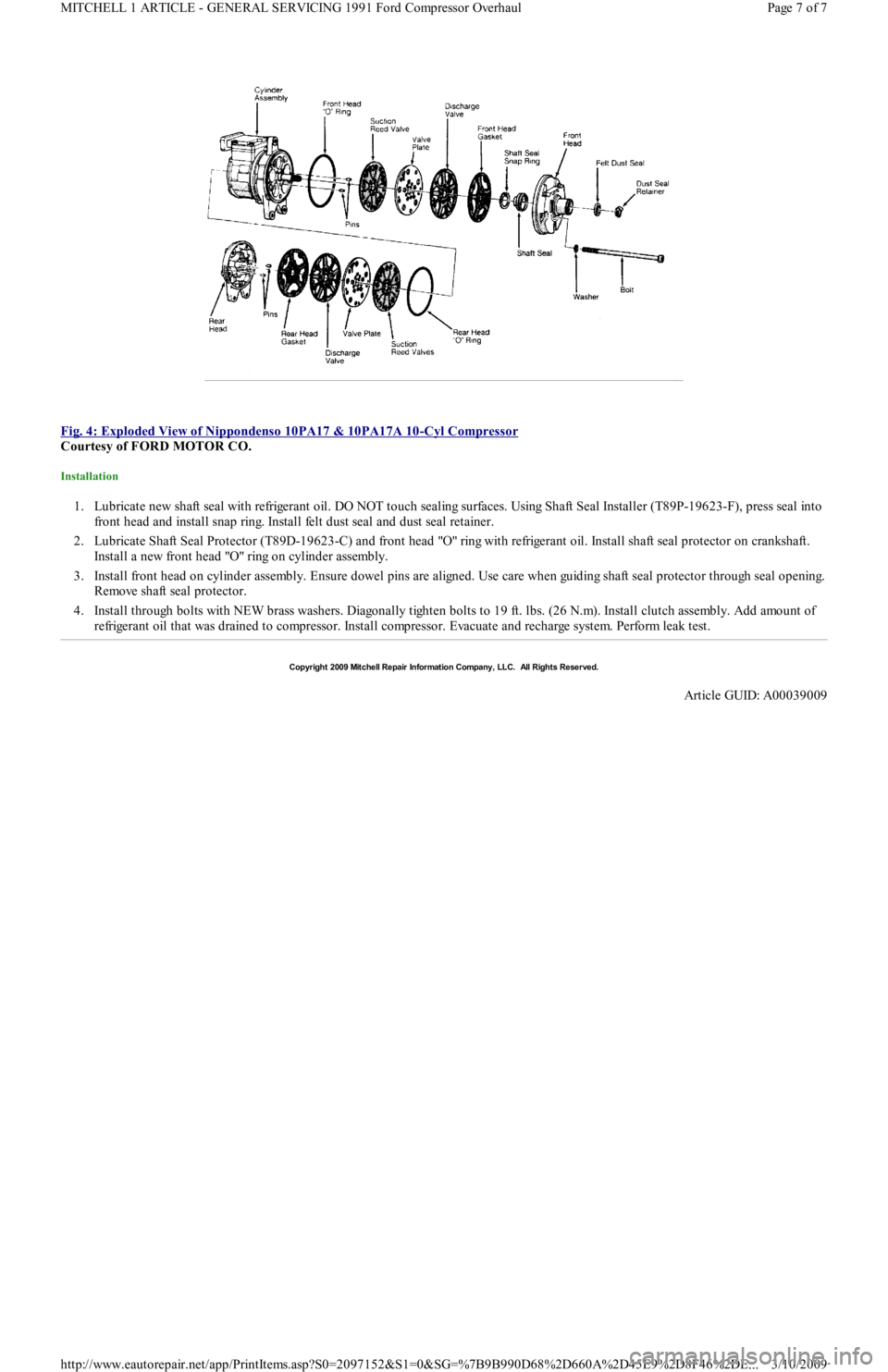
Fig. 4: Exploded View of Nippondenso 10PA17 & 10PA17A 10
-Cyl Compressor
Courtesy of FORD MOTOR CO.
Installation
1. Lubricate new shaft seal with refrigerant oil. DO NOT touch sealing surfaces. Using Shaft Seal Installer (T89P-19623-F), press seal into
front head and install snap ring. Install felt dust seal and dust seal retainer.
2. Lubricate Shaft Seal Protector (T89D-19623-C) and front head "O" ring with refrigerant oil. Install shaft seal protector on crankshaft.
Install a new front head "O" ring on cylinder assembly.
3. Install front head on cylinder assembly. Ensure dowel pins are aligned. Use care when guiding shaft seal protector through seal opening.
Remove shaft seal protector.
4. Install through bolts with NEW brass washers. Diagonally tighten bolts to 19 ft. lbs. (26 N.m). Install clutch assembly. Add amount of
refrigerant oil that was drained to compressor. Install compressor. Evacuate and recharge system. Perform leak test.
Copyr ight 2009 Mitchell Repair Information Company, LLC. All Rights Reserved.
Article GUID: A00039009
Page 7 of 7 MITCHELL 1 ARTICLE - GENERAL SERVICING 1991 Ford Compressor Overhaul
3/10/2009 http://www.eautorepair.net/app/PrintItems.asp?S0=2097152&S1=0&SG=%7B9B990D68%2D660A%2D45E9%2D8F46%2DE
...
Page 329 of 454
Courtesy of MAZDA MOTORS CO., U.S.A.
NIPPONDENSO 6 & 10-CYL CLUTCH R & I
Removal
1. Remove A/C compressor. Remove pressure plate shaft bolt using socket wrench and Clutch Stopper (07112-76060). Install Clutch
Remover (07112-66040) on pressure plate. Using clutch stopper and socket wrench, rotate clutch remover to remove pressure plate.
2. Remove shims from pressure plate. Remove snap ring from compressor. Tap rotor off shaft with plastic hammer. Disconnect stator wire
from housing. Remove snap ring from inside stator. Remove stator. See Fig. 12
.
Installation
To install, reverse removal procedure. Ensure snap rings are installed with beveled side up. tighten shaft bolt to 10 ft. lbs. 14 N.m). Ensure
clutch clearance is .014-.026" (.36-66 mm). adjust clearance by adding or subtracting shims as necessary.
NIPPONDENSO 6 & 10-CYL SHAFT SEAL R & I
Removal
1. Hold clutch hub stationary and remove center nut. Screw remover into center of hub. Turn center bolt to remove pressure plate.
2. Remove shims from shaft. Remove snap ring from inside of pulley. Tap pulley off of shaft with plastic mallet. Be careful not to distort
pulley while removing.
3. Disconnect clutch coil wires from compressor housing. remove snap ring inside coil and lift coil off compressor. Pry dust seal out from
around compressor shaft (if equipped).
4. Place shaft key remover on shaft and turn to remove key. Remove drain plug (if equipped). Remove service valves-to-compressor body
bolts. Remove valves. Discard "O" rings. Drain oil out of compressor.
5. Remove 6 through bolts from front head of compressor and discard washers. Tap head loose from compressor; be careful not to scratch
sealing surfaces. remove snap ring (if equipped) from front housing. Press seal plate out. Remove seal from shaft. See Fig. 14
.
Installation
1. Lubricate shaft seal with clean refrigerant oil and place on compressor shaft. Lubricate seal plate and "O" ring (if equipped) and install
in front housing. Install snap ring (if equipped).
2. Place front housing on compressor body. Install through bolts with new washers. Tighten bolts evenly and alternately to 18 ft. lbs. (24
N.m). Install shaft key using installer and plastic mallet. Insert dust seal into front of compressor.
3. Install drain plug with new gasket. Add correct amount of refrigerant oil to compressor. If service valves were removed, coat n ew "O"
rings with refrigerant oil and install service valves.
4. Place clutch coil on compressor and install snap ring. Install shims on shaft to adjust pressure plate-to-rotor clearance to .016-
.028" (.41-.71 mm). Tighten shaft nut to 12 ft. lbs. (16 N.m). CAUTION: DO NOT dam age pulley when tapping on rotor.
NOTE:Check com pressor refrigerant oil level when replacing seals. See COMPRESSOR OIL CHECKING article
in the AIR CONDIT IONING & HEAT section.
Page 13 of 18 MITCHELL 1 ARTICLE - A/C COMPRESSOR SERVICING 1991 GENERAL SERVICING Compressor Service
3/10/2009 http://www.eautorepair.net/app/PrintItems.asp?S0=2097152&S1=0&SG=%7B9B990D68%2D660A%2D45E9%2D8F46%2DE
...
Page 360 of 454
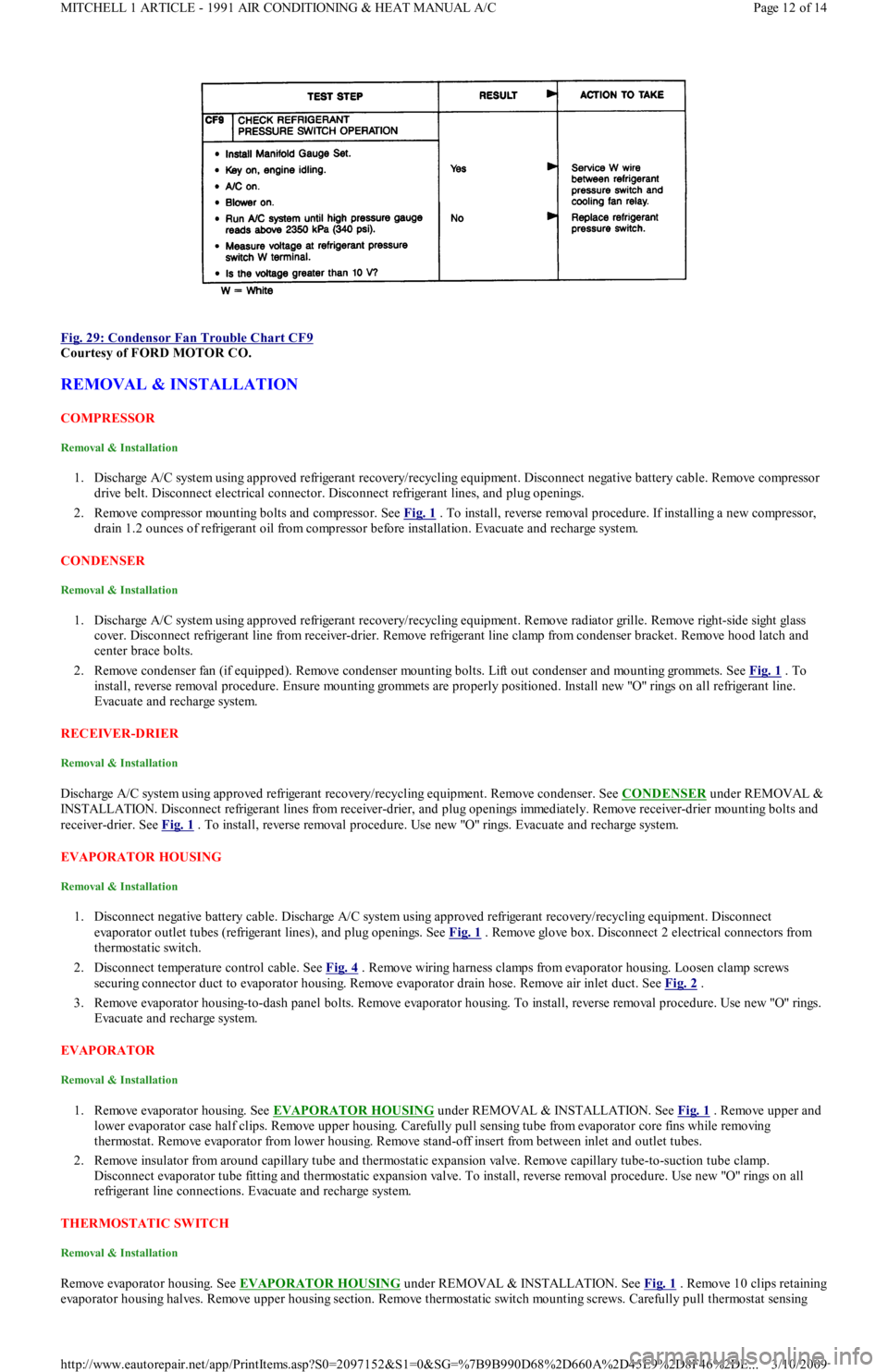
Fig. 29: Condensor Fan Trouble Chart CF9
Courtesy of FORD MOTOR CO.
REMOVAL & INSTALLATION
COMPRESSOR
Removal & Installation
1. Discharge A/C system using approved refrigerant recovery/recycling equipment. Disconnect negative battery cable. Remove compressor
drive belt. Disconnect electrical connector. Disconnect refrigerant lines, and plug openings.
2. Remove compressor mounting bolts and compressor. See Fig. 1
. To install, reverse removal procedure. If installing a new compressor,
drain 1.2 ounces of refrigerant oil from compressor before installation. Evacuate and recharge system.
CONDENSER
Removal & Installation
1. Discharge A/C system using approved refrigerant recovery/recycling equipment. Remove radiator grille. Remove right-side sight glass
cover. Disconnect refrigerant line from receiver-drier. Remove refrigerant line clamp from condenser bracket. Remove hood latch and
center brace bolts.
2. Remove condenser fan (if equipped). Remove condenser mounting bolts. Lift out condenser and mounting grommets. See Fig. 1
. To
install, reverse removal procedure. Ensure mounting grommets are properly positioned. Install new "O" rings on all refrigerant line.
Evacuate and recharge system.
RECEIVER-DRIER
Removal & Installation
Discharge A/C system using approved refrigerant recovery/recycling equipment. Remove condenser. See CONDENSER under REMOVAL &
INSTALLATION. Disconnect refrigerant lines from receiver-drier, and plug openings immediately. Remove receiver-drier mounting bolts and
receiver-drier. See Fig. 1
. To install, reverse removal procedure. Use new "O" rings. Evacuate and recharge system.
EVAPORATOR HOUSING
Removal & Installation
1. Disconnect negative battery cable. Discharge A/C system using approved refrigerant recovery/recycling equipment. Disconnect
evaporator outlet tubes (refrigerant lines), and plug openings. See Fig. 1
. Remove glove box. Disconnect 2 electrical connectors from
thermostatic switch.
2. Disconnect temperature control cable. See Fig. 4
. Remove wiring harness clamps from evaporator housing. Loosen clamp screws
securing connector duct to evaporator housing. Remove evaporator drain hose. Remove air inlet duct. See Fig. 2
.
3. Remove evaporator housing-to-dash panel bolts. Remove evaporator housing. To install, reverse removal procedure. Use new "O" rings.
Evacuate and recharge system.
EVAPORATOR
Removal & Installation
1. Remove evaporator housing. See EVAPORATOR HOUSING under REMOVAL & INSTALLATION. See Fig. 1 . Remove upper and
lower evaporator case half clips. Remove upper housing. Carefully pull sensing tube from evaporator core fins while removing
thermostat. Remove evaporator from lower housing. Remove stand-off insert from between inlet and outlet tubes.
2. Remove insulator from around capillary tube and thermostatic expansion valve. Remove capillary tube-to-suction tube clamp.
Disconnect evaporator tube fitting and thermostatic expansion valve. To install, reverse removal procedure. Use new "O" rings on all
refrigerant line connections. Evacuate and recharge system.
THERMOSTATIC SW ITCH
Removal & Installation
Remove evaporator housing. See EVAPORATOR HOUSING under REMOVAL & INSTALLATION. See Fig. 1. Remove 10 clips retaining
evaporator housing halves. Remove upper housing section. Remove thermostatic switch mounting screws. Carefully pull thermostat sensing
Page 12 of 14 MITCHELL 1 ARTICLE - 1991 AIR CONDITIONING & HEAT MANUAL A/C
3/10/2009 http://www.eautorepair.net/app/PrintItems.asp?S0=2097152&S1=0&SG=%7B9B990D68%2D660A%2D45E9%2D8F46%2DE
...
Page 383 of 454
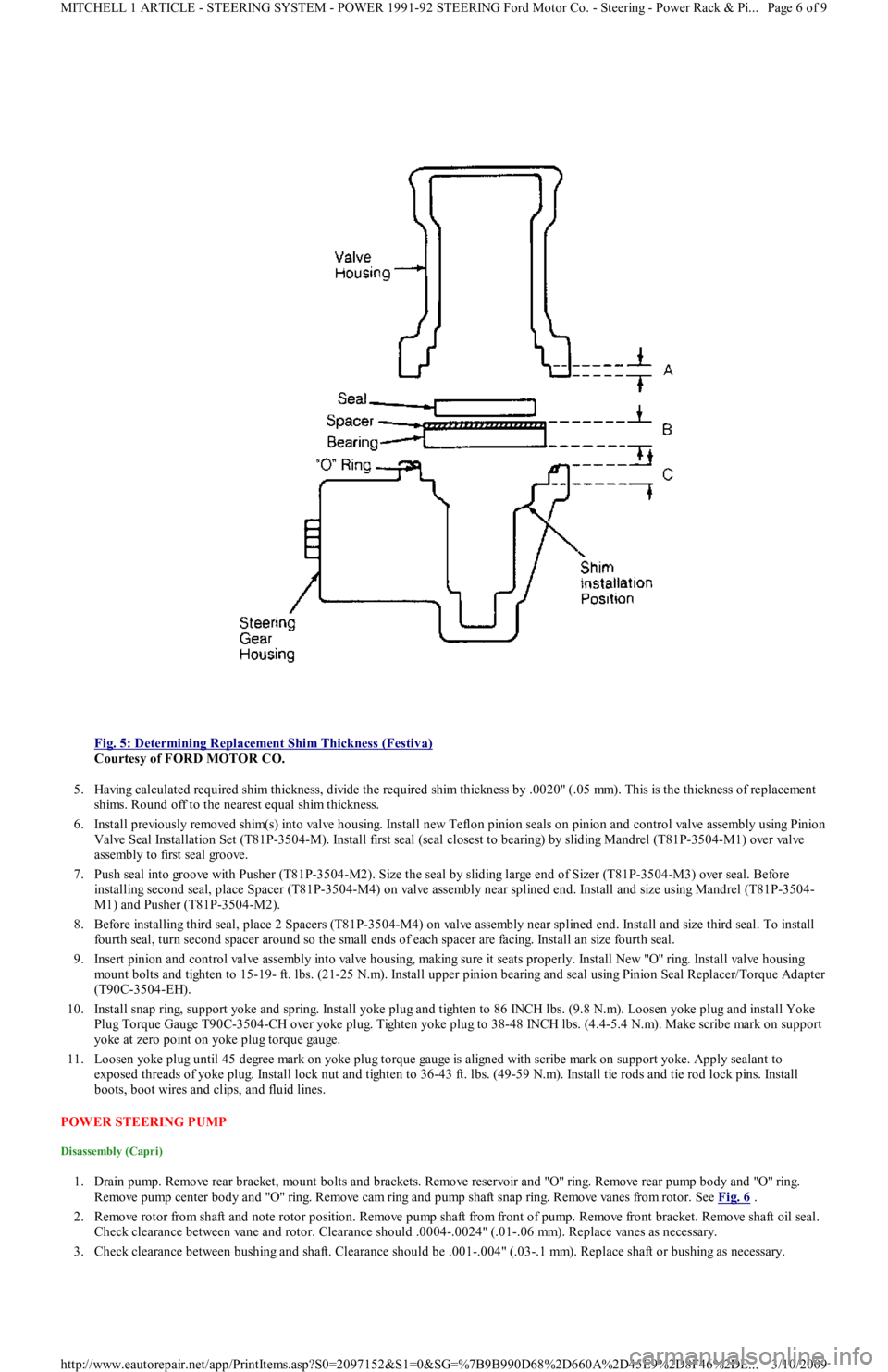
Fig. 5: Determining Replacement Shim Thickness (Festiva)
Courtesy of FORD MOTOR CO.
5. Having calculated required shim thickness, divide the required shim thickness by .0020" (.05 mm). This is the thickness of replacement
shims. Round off to the nearest equal shim thickness.
6. Install previously removed shim(s) into valve housing. Install new Teflon pinion seals on pinion and control valve assembly using Pinion
Valve Seal Installation Set (T81P-3504-M). Install first seal (seal closest to bearing) by sliding Mandrel (T81P-3504-M1) over va l ve
assembly to first seal groove.
7. Push seal into groove with Pusher (T81P-3504-M2). Size the seal by sliding large end of Sizer (T81P-3504-M3) over seal. Before
installing second seal, place Spacer (T81P-3504-M4) on valve assembly near splined end. Install and size using Mandrel (T81P-3504-
M1) and Pusher (T81P-3504-M2).
8. Before installing third seal, place 2 Spacers (T81P-3504-M4) on valve assembly near splined end. Install and size third seal. To install
fourth seal, turn second spacer around so the small ends of each spacer are facing. Install an size fourth seal.
9. Insert pinion and control valve assembly into valve housing, making sure it seats properly. Install New "O" ring. Install valve h o u sin g
mount bolts and tighten to 15-19- ft. lbs. (21-25 N.m). Install upper pinion bearing and seal using Pinion Seal Replacer/Torque Adapter
(T90C-3504-EH).
10. Install snap ring, support yoke and spring. Install yoke plug and tighten to 86 INCH lbs. (9.8 N.m). Loosen yoke plug and install Yoke
Plug Torque Gauge T90C-3504-CH over yoke plug. Tighten yoke plug to 38-48 INCH lbs. (4.4-5.4 N.m). Make scribe mark on support
yoke at zero point on yoke plug torque gauge.
11. Loosen yoke plug until 45 degree mark on yoke plug torque gauge is aligned with scribe mark on support yoke. Apply sealant to
exposed threads of yoke plug. Install lock nut and tighten to 36-43 ft. lbs. (49-59 N.m). Install tie rods and tie rod lock pins. Install
boots, boot wires and clips, and fluid lines.
POWER STEERING PUMP
Disassembly (Capri)
1. Drain pump. Remove rear bracket, mount bolts and brackets. Remove reservoir and "O" ring. Remove rear pump body and "O" ring.
Remove pump center body and "O" ring. Remove cam ring and pump shaft snap ring. Remove vanes from rotor. See Fig. 6
.
2. Remove rotor from shaft and note rotor position. Remove pump shaft from front of pump. Remove front bracket. Remove shaft oil seal.
Check clearance between vane and rotor. Clearance should .0004-.0024" (.01-.06 mm). Replace vanes as necessary.
3. Check clearance between bushing and shaft. Clearance should be .001-.004" (.03-.1 mm). Replace shaft or bushing as necessary.
Page 6 of 9 MITCHELL 1 ARTICLE - STEERING SYSTEM - POWER 1991-92 STEERING Ford Motor Co. - Steering - Power Rack & Pi
...
3/10/2009 http://www.eautorepair.net/app/PrintItems.asp?S0=2097152&S1=0&SG=%7B9B990D68%2D660A%2D45E9%2D8F46%2DE
...
Page 409 of 454
Back To Article
1988-94 AUT OMAT IC T RANSMISSIONS
Ford ATX Overhaul
APPLICATION
APPLICATION
DESCRIPTION
The transaxle consists of 3 main units: automatic transaxle, torque converter and differential assembly. The automatic transaxle consists of
front and rear clutches, one-way clutch, low-reverse brake assembly, oil pump and hydraulic controls (valve body and servo piston
assemblies). The valve body is controlled by the governor valve, vacuum throttle valve diaphragm (modulator) and kickdown solenoid. The
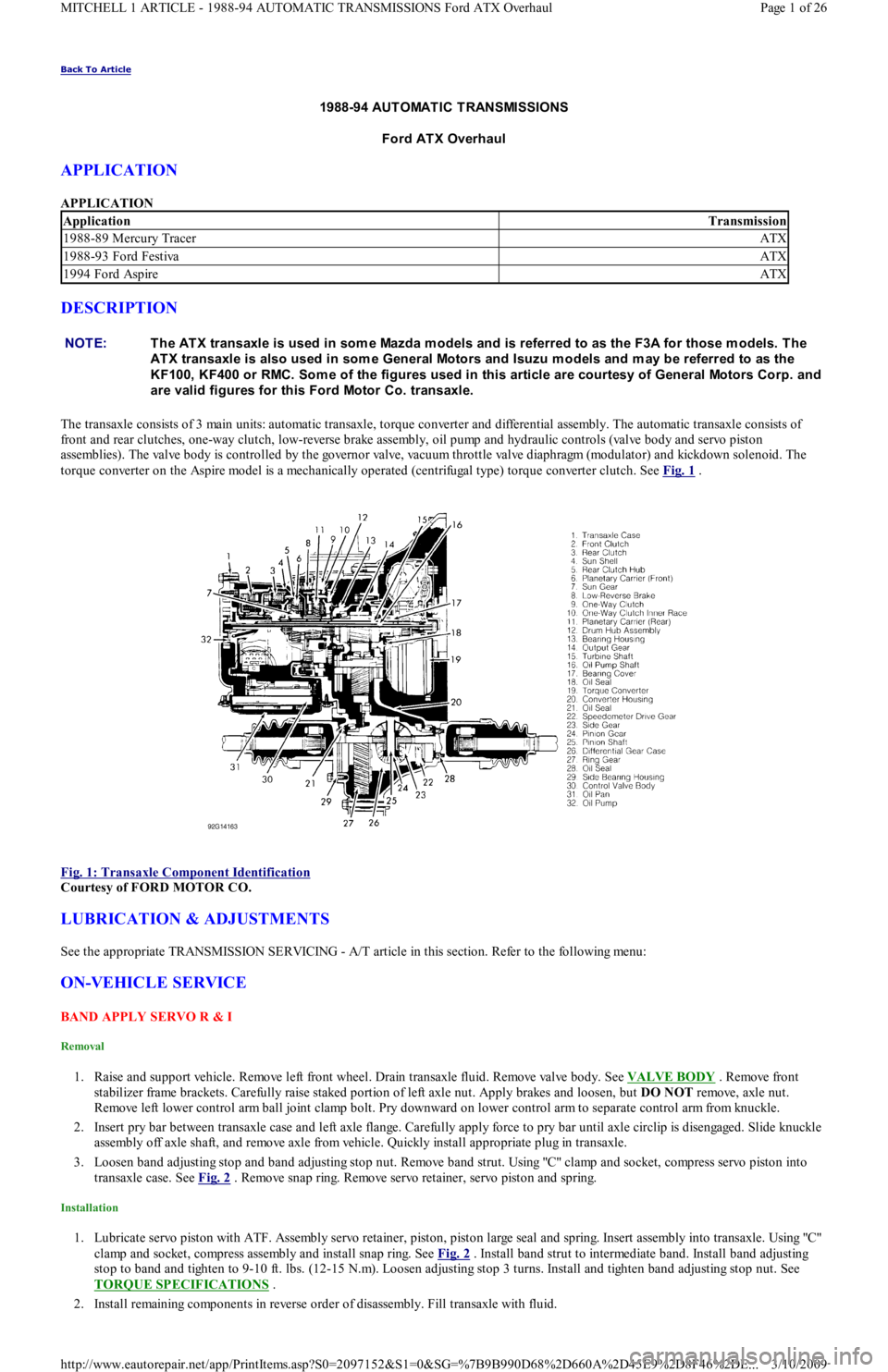
torque converter on the Aspire model is a mechanically operated (centrifugal type) torque converter clutch. See Fig. 1
.
Fig. 1: Transaxle Component Identification
Courtesy of FORD MOTOR CO.
LUBRICATION & ADJUSTMENTS
See the appropriate TRANSMISSION SERVICING - A/T article in this section. Refer to the following menu:
ON-VEHICLE SERVICE
BAND APPLY SERVO R & I
Removal
1. Raise and support vehicle. Remove left front wheel. Drain transaxle fluid. Remove valve body. See VALVE BODY . Remove front
stabilizer frame brackets. Carefully raise staked portion of left axle nut. Apply brakes and loosen, but DO NOT remove, axle nut.
Remove left lower control arm ball joint clamp bolt. Pry downward on lower control arm to separate control arm from knuckle.
2. Insert pry bar between transaxle case and left axle flange. Carefully apply force to pry bar until axle circlip is disengaged. Slide knuckle
assembly off axle shaft, and remove axle from vehicle. Quickly install appropriate plug in transaxle.
3. Loosen band adjusting stop and band adjusting stop nut. Remove band strut. Using "C" clamp and socket, compress servo piston into
transaxle case. See Fig. 2
. Remove snap ring. Remove servo retainer, servo piston and spring.
Installation
1. Lubricate servo piston with ATF. Assembly servo retainer, piston, piston large seal and spring. Insert assembly into transaxle. Usin g "C"
clamp and socket, compress assembly and install snap ring. See Fig. 2
. Install band strut to intermediate band. Install band adjusting
stop to band and tighten to 9-10 ft. lbs. (12-15 N.m). Loosen adjusting stop 3 turns. Install and tighten band adjusting stop nut. See
TORQUE SPECIFICATIONS
.
2. Install remaining components in reverse order of disassembly. Fill transaxle with fluid.
ApplicationTransmission
1988-89 Mercury TracerATX
1988-93 Ford FestivaATX
1994 Ford AspireATX
NOTE:T he AT X transaxle is used in som e Mazda m odels and is referred to as the F3A for those m odels. T he
AT X transaxle is also used in som e General Motors and Isuzu m odels and m ay be referred to as the
KF100, KF400 or RMC. Som e of the figures used in this article are courtesy of General Motors Corp. and
are valid figures for this Ford Motor Co. transaxle.
Page 1 of 26 MITCHELL 1 ARTICLE - 1988-94 AUTOMATIC TRANSMISSIONS Ford ATX Overhaul
3/10/2009 http://www.eautorepair.net/app/PrintItems.asp?S0=2097152&S1=0&SG=%7B9B990D68%2D660A%2D45E9%2D8F46%2DE
...
Page 410 of 454
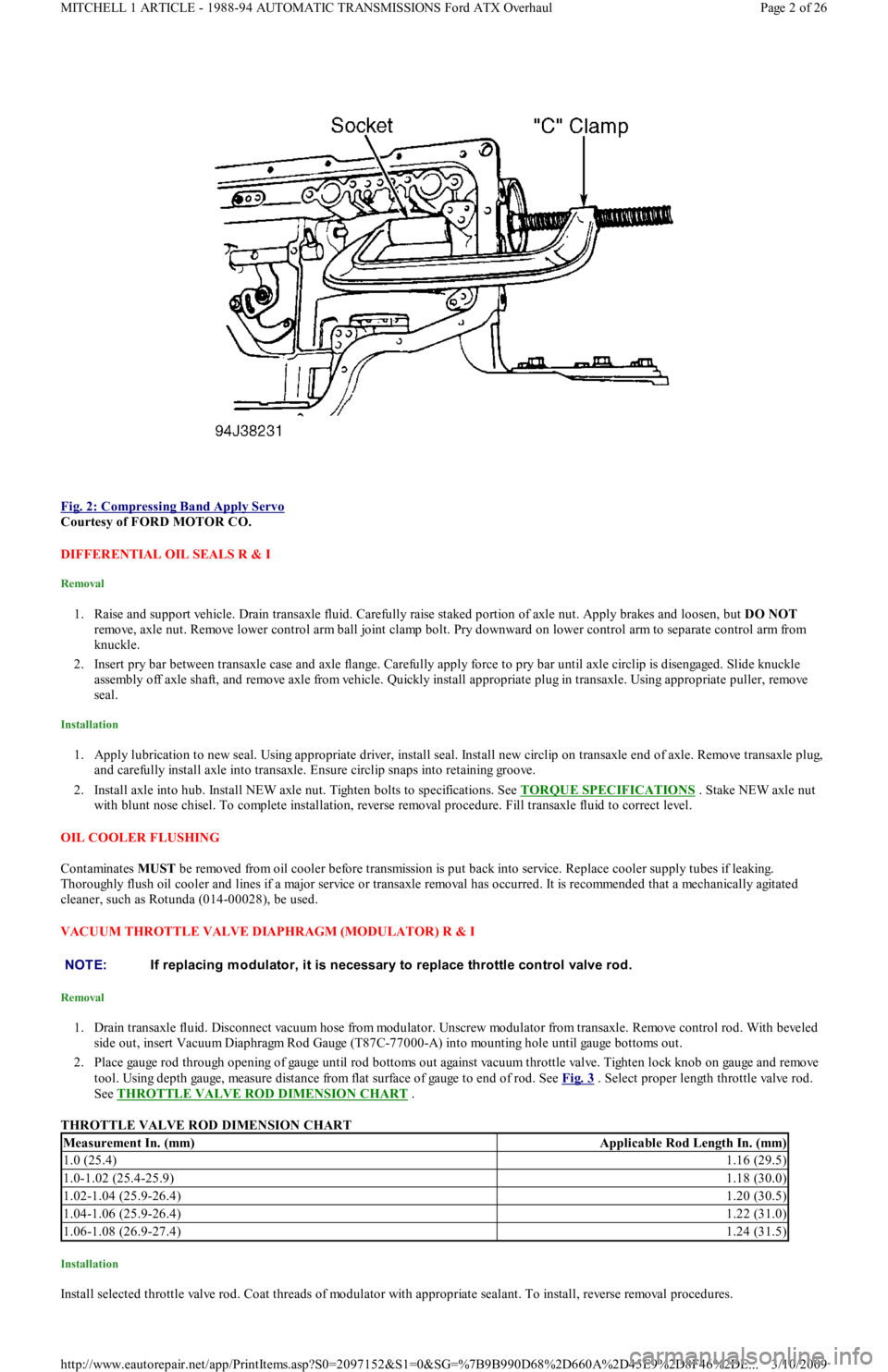
Fig. 2: Compressing Band Apply Servo
Courtesy of FORD MOTOR CO.
DIFFERENTIAL OIL SEALS R & I
Removal
1. Raise and support vehicle. Drain transaxle fluid. Carefully raise staked portion of axle nut. Apply brakes and loosen, but DO NOT
remove, axle nut. Remove lower control arm ball joint clamp bolt. Pry downward on lower control arm to separate control arm from
knuckle.
2. Insert pry bar between transaxle case and axle flange. Carefully apply force to pry bar until axle circlip is disengaged. Slide knuckle
assembly off axle shaft, and remove axle from vehicle. Quickly install appropriate plug in transaxle. Using appropriate puller, remove
seal.
Installation
1. Apply lubrication to new seal. Using appropriate driver, install seal. Install new circlip on transaxle end of axle. Remove transaxle plug,
and carefully install axle into transaxle. Ensure circlip snaps into retaining groove.
2. Install axle into hub. Install NEW axle nut. Tighten bolts to specifications. See TORQUE SPECIFICATIONS
. Stake NEW axle nut
with blunt nose chisel. To complete installation, reverse removal procedure. Fill transaxle fluid to correct level.
OIL COOLER FLUSHING
Contaminates MUST be removed from oil cooler before transmission is put back into service. Replace cooler supply tubes if leaking.
Thoroughly flush oil cooler and lines if a major service or transaxle removal has occurred. It is recommended that a mechanically agitated
cleaner, such as Rotunda (014-00028), be used.
VACUUM THROTTLE VALVE DIAPHRAGM (MODULATOR) R & I
Removal
1. Drain transaxle fluid. Disconnect vacuum hose from modulator. Unscrew modulator from transaxle. Remove control rod. With beveled
side out, insert Vacuum Diaphragm Rod Gauge (T87C-77000-A) into mounting hole until gauge bottoms out.
2. Place gauge rod through opening of gauge until rod bottoms out against vacuum throttle valve. Tighten lock knob on gauge and remove
tool. Using depth gauge, measure distance from flat surface of gauge to end of rod. See Fig. 3
. Select proper length throttle valve rod.
See THROTTLE VALVE ROD DIMENSION CHART
.
THROTTLE VALVE ROD DIMENSION CHART
Installation
Install selected throttle valve rod. Coat threads of modulator with appropriate sealant. To install, reverse removal procedures.
NOTE:If replacing m odulator, it is necessary to replace throttle control valve rod.
Measurement In. (mm)Applicable Rod Length In. (mm)
1.0 (25.4)1.16 (29.5)
1.0-1.02 (25.4-25.9)1.18 (30.0)
1.02-1.04 (25.9-26.4)1.20 (30.5)
1.04-1.06 (25.9-26.4)1.22 (31.0)
1.06-1.08 (26.9-27.4)1.24 (31.5)
Page 2 of 26 MITCHELL 1 ARTICLE - 1988-94 AUTOMATIC TRANSMISSIONS Ford ATX Overhaul
3/10/2009 http://www.eautorepair.net/app/PrintItems.asp?S0=2097152&S1=0&SG=%7B9B990D68%2D660A%2D45E9%2D8F46%2DE
...
Page 411 of 454
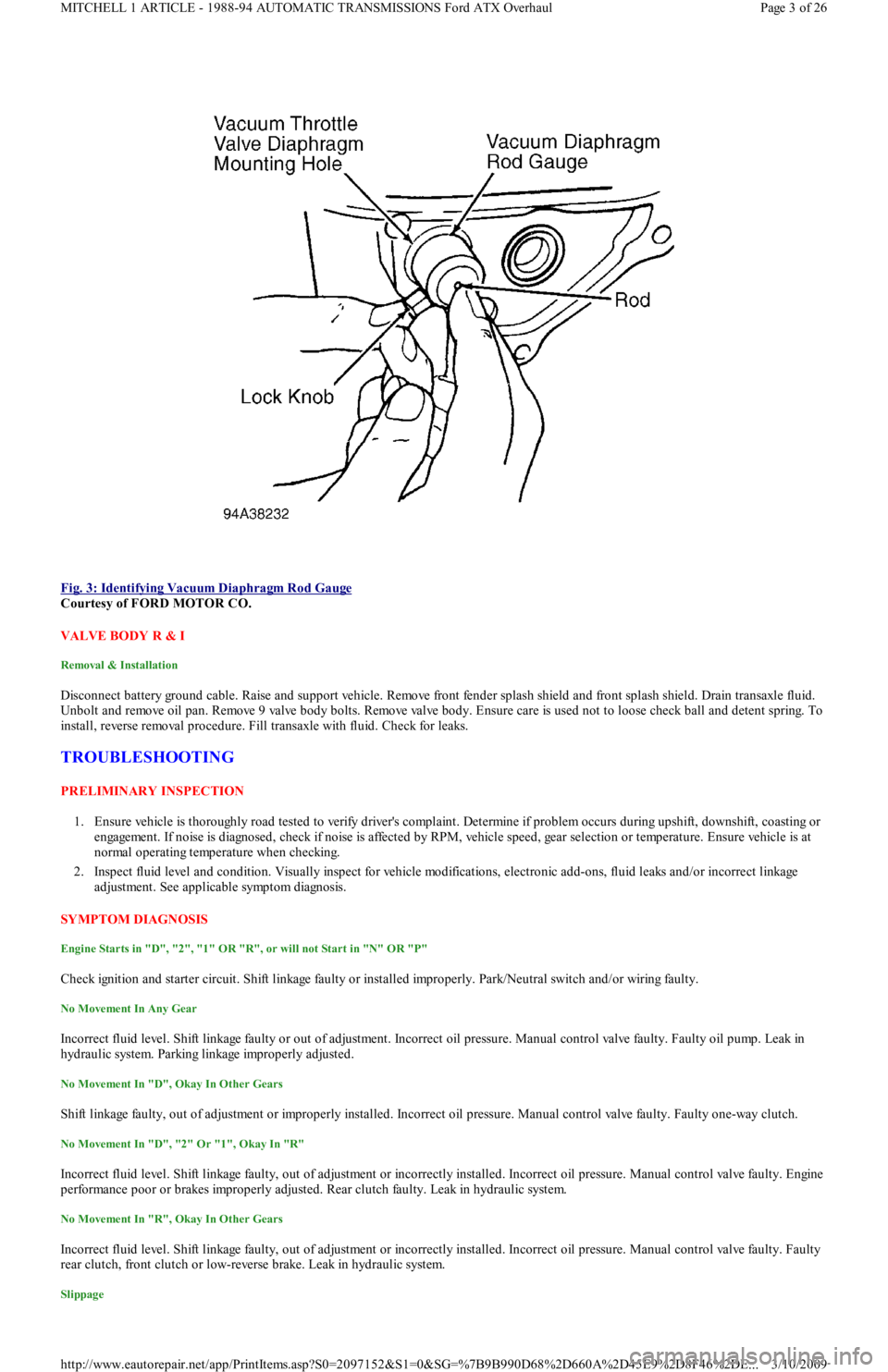
Fig. 3: Identifying Vacuum Diaphragm Rod Gauge
Courtesy of FORD MOTOR CO.
VALVE BODY R & I
Removal & Installation
Disconnect battery ground cable. Raise and support vehicle. Remove front fender splash shield and front splash shield. Drain transaxle fluid.
Unbolt and remove oil pan. Remove 9 valve body bolts. Remove valve body. Ensure care is used not to loose check ball and detent spring. To
install, reverse removal procedure. Fill transaxle with fluid. Check for leaks.
TROUBLESHOOTING
PRELIMINARY INSPECTION
1. Ensure vehicle is thoroughly road tested to verify driver's complaint. Determine if problem occurs during upshift, downshift, coasting or
engagement. If noise is diagnosed, check if noise is affected by RPM, vehicle speed, gear selection or temperature. Ensure vehicle is at
normal operating temperature when checking.
2. Inspect fluid level and condition. Visually inspect for vehicle modifications, electronic add-ons, fluid leaks and/or incorrect linkage
adjustment. See applicable symptom diagnosis.
SYMPTOM DIAGNOSIS
Engine Starts in "D", "2", "1" OR "R", or will not Start in "N" OR "P"
Check ignition and starter circuit. Shift linkage faulty or installed improperly. Park/Neutral switch and/or wiring faulty.
No Movement In Any Gear
Incorrect fluid level. Shift linkage faulty or out of adjustment. Incorrect oil pressure. Manual control valve faulty. Faulty oil pump. Leak in
hydraulic system. Parking linkage improperly adjusted.
No Movement In "D", Okay In Other Gears
Shift linkage faulty, out of adjustment or improperly installed. Incorrect oil pressure. Manual control valve faulty. Faulty one-way clutch.
No Movement In "D", "2" Or "1", Okay In "R"
Incorrect fluid level. Shift linkage faulty, out of adjustment or incorrectly installed. Incorrect oil pressure. Manual control valve faulty. Engine
performance poor or brakes improperly adjusted. Rear clutch faulty. Leak in hydraulic system.
No Movement In "R", Okay In Other Gears
Incorrect fluid level. Shift linkage faulty, out of adjustment or incorrectly installed. Incorrect oil pressure. Manual control valve faulty. Faulty
rear clutch, front clutch or low-reverse brake. Leak in hydraulic system.
Slippage
Page 3 of 26 MITCHELL 1 ARTICLE - 1988-94 AUTOMATIC TRANSMISSIONS Ford ATX Overhaul
3/10/2009 http://www.eautorepair.net/app/PrintItems.asp?S0=2097152&S1=0&SG=%7B9B990D68%2D660A%2D45E9%2D8F46%2DE
...