Page 143 of 228
Driving and operating
143
Hold the SPORT button depressed
for about 4 seconds. Control indicator
v illuminates. ESPoff also appears in
the service display. 9
Warning Do not deactivate ESP®
Plus
if
a
run-flat tyre 3 has lost pressure.ESP®
Plus
is reactivated by pressing
the SPORT
button. ESPon appears in
the service display. ESP® Plus
is also
reactivated the next time the ignition
is switched on.
Sport mode 3 143.
Interactive driving system
Interactive driving system (IDS Plus
)
combines the electronic stability
program (ESP® Plus
) with the antilock
brake system (ABS) and continuous
damping control (CDC) to improve
driving dynamics and vehicle safety. Sport mode
Suspension and steering become
more direct and provide better
contact with the road surface. The
engine reacts more quickly to
accelerator pedal movements.
Automatic
gear changing is also more
responsive.
Control indicator IDSPlus
3 91.
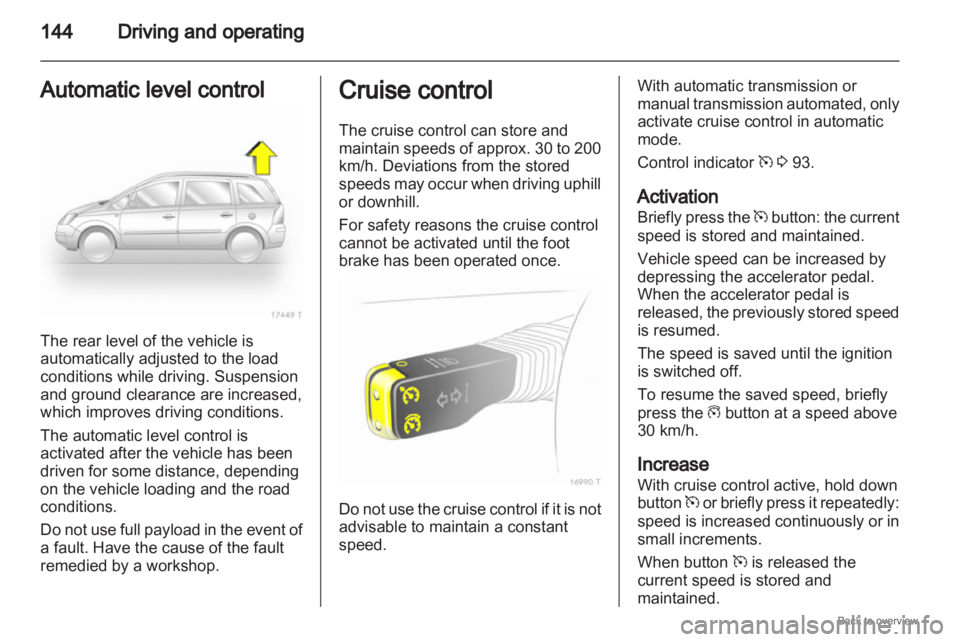
Activation Press SPORT button.
Control indicator
1 3 89. Winter programme activation not
possible.
Deactivation
Briefly press the SPORT button.
Sport mode is deactivated the next
time the ignition is switched on or if
the Winter programme is activated.
Continuous damping
control
Continuous damping control (CDC)
changes suspension with damping
adaptation
of each shock absorber to
the current driving situation and road
conditions.
When Sport mode is engaged, the
damping control is adapted to
a sportier driving style.
Control indicator IDS+ 3 91.
Page 144 of 228
144
Driving and operating
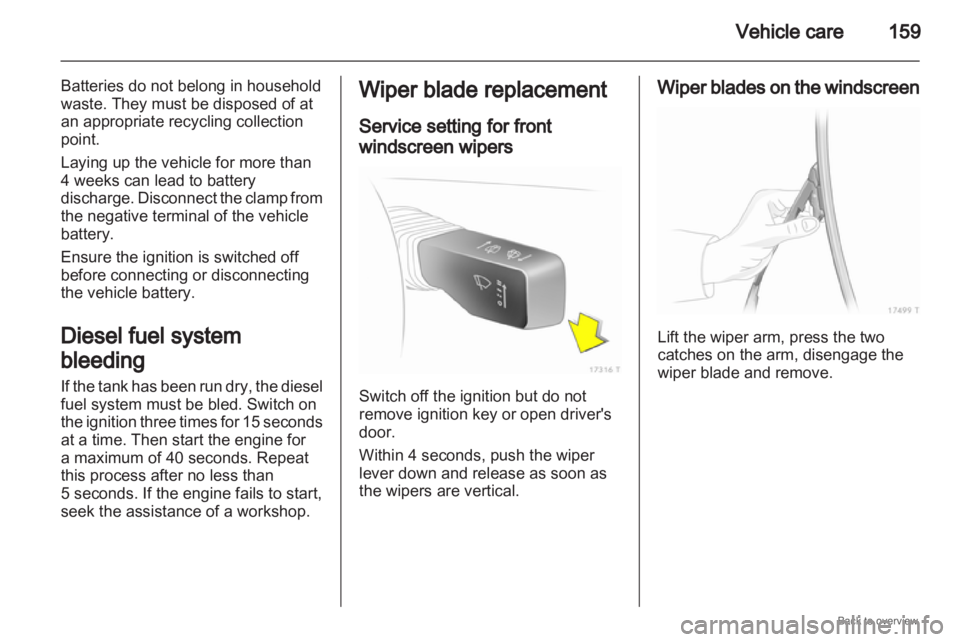
Automatic level control The rear level of the vehicle is
automatically adjusted to the load
conditions while driving. Suspension
and ground clearance are increased,
which improves driving conditions.
The automatic level control is
activated after the vehicle has been
driven for some distance, depending
on the vehicle loading and the road
conditions.
Do
not use full payload in the event of
a fault. Have the cause of the fault
remedied by a workshop. Cruise control
The cruise control can store and
maintain
speeds of approx. 30 to 200
km/h. Deviations from the stored
speeds may occur when driving uphill
or downhill.
For safety reasons the cruise control
cannot be activated until the foot
brake has been operated once. Do not use the cruise control if it is not
advisable to maintain a constant
speed. With automatic transmission or
manual
transmission automated, only
activate cruise control in automatic
mode.
Control indicator m 3 93.
Activation
Briefly press the m button: the current
speed is stored and maintained.
Vehicle speed can be increased by
depressing the accelerator pedal.
When the accelerator pedal is
released, the previously stored speed
is resumed.
The speed is saved until the ignition
is switched off.
To resume the saved speed, briefly
press the g button at a speed above
30 km/h.
Increase
With cruise control active, hold down
button m or briefly press it repeatedly:
speed is increased continuously or in
small increments.
When button m is released the
current speed is stored and
maintained.
Page 155 of 228
Vehicle care
155
■ Check the engine oil level.
■ Check the coolant level.
■ Fit the number plate if necessary.
End-of-life vehicle
recovery
Information on end-of-life vehicle
recovery centres and the recycling of
end-of-life vehicles is available on our
website www.opel.com. Only entrust
this work to an authorised recycling
centre. Vehicle checks
Performing work
9
Warning Only perform engine compartment
checks when the ignition is off.
The cooling fan may start
operating
even if the ignition is off. 9
Danger The ignition system and Xenon
headlamps use extremely high
voltage. Do not touch.
The caps for topping up the engine oil,
the
coolant, the washing fluid and the
oil dipstick handle are yellow for ease
of identification.
Bonnet
Opening
Page 159 of 228
Vehicle care
159
Batteries do not belong in household
waste. They must be disposed of at
an appropriate recycling collection
point.
Laying up the vehicle for more than
4 weeks can lead to battery
discharge.
Disconnect the clamp from
the negative terminal of the vehicle
battery.
Ensure the ignition is switched off
before connecting or disconnecting
the vehicle battery.
Diesel fuel system
bleeding
If the tank has been run dry, the diesel
fuel system must be bled. Switch on
the ignition three times for 15 seconds
at a time. Then start the engine for
a maximum of 40 seconds. Repeat
this process after no less than
5 seconds. If the engine fails to start,
seek the assistance of a workshop. Wiper blade replacement
Service setting for front
windscreen wipers
Switch off the ignition but do not
remove ignition key or open driver's
door.
Within 4 seconds, push the wiper
lever down and release as soon as
the wipers are vertical. Wiper blades on the windscreen
Lift the wiper arm, press the two
catches on the arm, disengage the
wiper blade and remove.
Page 160 of 228
160
Vehicle care
Wiper blade on the rear window Lift wiper arm. Disengage wiper blade
as shown in illustration and remove. Bulb replacement
Switch off the ignition and switch off
the
relevant switch or close the doors.
Only hold a new bulb at the base! Do
not touch the bulb glass with bare
hands.
Use only the same bulb type for
replacement. The bulbs of the front outer lamps are
replaced through openings in the
front wheel housing: turn wheels in
the way that gains access, release
catch and remove cover. To replace bulbs on the right side of
the engine compartment, detach the
air hose from the air filter. On the left
side, detach the plug to the fuse box.
Halogen headlights
Headlamps have separate systems
for
high beam 1 (inner bulbs) and low
beam 2 (outer bulbs).
Low beam 1. Replace bulbs through the opening in the wheel housing.
Page 165 of 228
Vehicle care
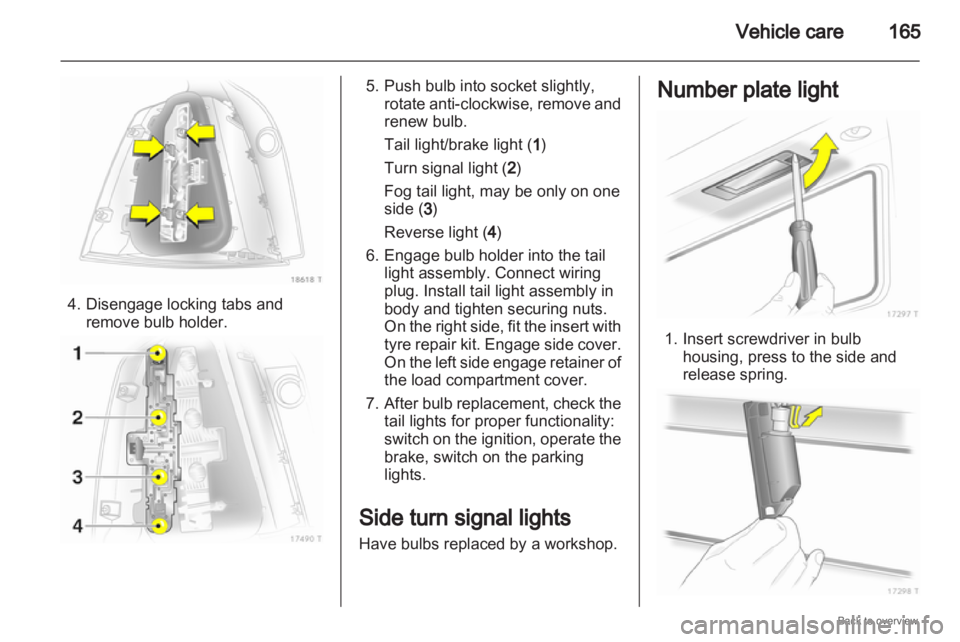
1654. Disengage locking tabs and
remove bulb holder. 5. Push bulb into socket slightly,
rotate anti-clockwise, remove and
renew bulb.
Tail light/brake light ( 1)
Turn signal light ( 2)
Fog tail light, may be only on one
side (3 )
Reverse light ( 4)
6. Engage bulb holder into the tail light assembly. Connect wiring
plug. Install tail light assembly in
body and tighten securing nuts.
On the right side, fit the insert with
tyre repair kit. Engage side cover.
On the left side engage retainer of
the load compartment cover.
7. After bulb replacement, check the tail lights for proper functionality:
switch on the ignition, operate the
brake, switch on the parking
lights.
Side turn signal lights
Have bulbs replaced by a workshop. Number plate light
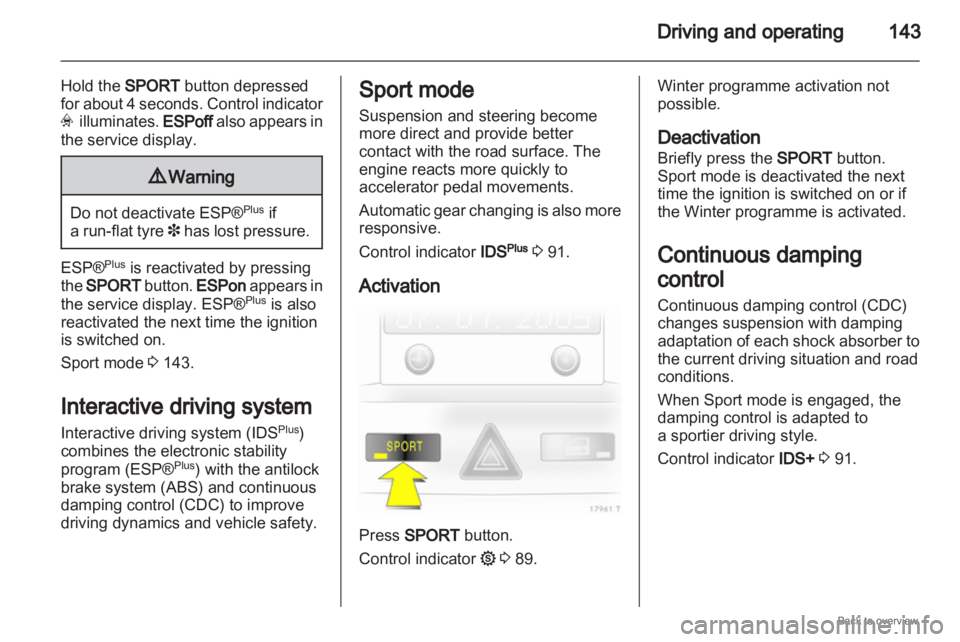
1. Insert screwdriver in bulb
housing, press to the side and
release spring.
Page 167 of 228
Vehicle care
167
2. Press bulb slightly towards spring clip and remove.
3. Insert new bulb.
4. Install lamp.
Instrument panel
illumination
Have bulbs replaced by a workshop. Electrical system
Fuses
Data on the replacement fuse must
match
the data on the defective fuse.
The vehicle has two fuse boxes: one
behind a cover on the left side of the
load compartment and one in the front
left of the engine compartment. Store spare fuses in the load
compartment fuse box version B.
Open the cover 3 171.
Before replacing a fuse, turn off the
respective switch and the ignition. A blown fuse can be recognised by its
melted wire. Do not replace the fuse
until the cause of the fault has been
remedied.
Some functions are protected by
several fuses.
Fuses may also be inserted without
existence of a function.
Page 177 of 228
Vehicle care
177
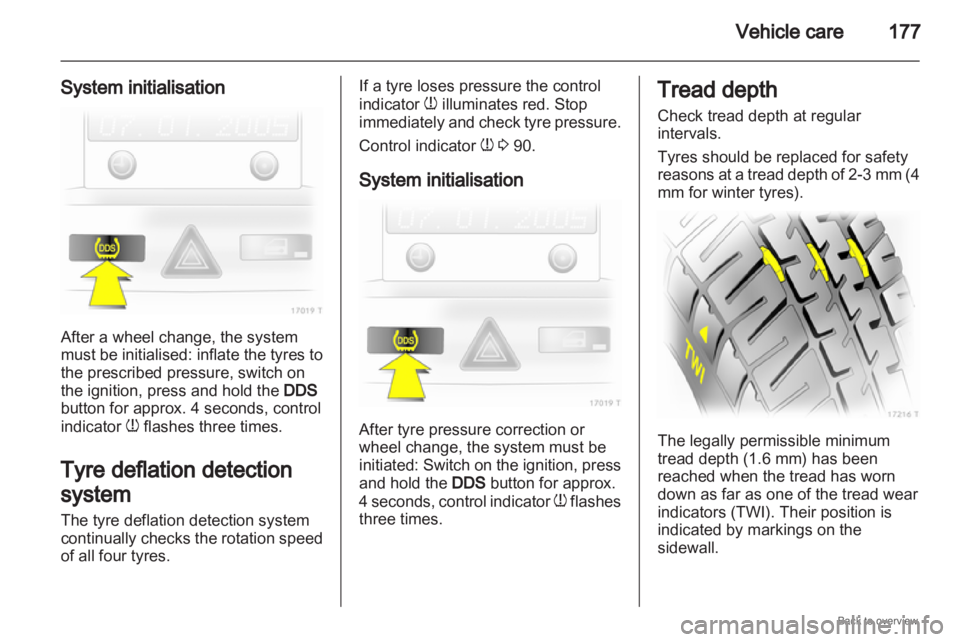
System initialisation After a wheel change, the system
must
be initialised: inflate the tyres to
the prescribed pressure, switch on
the ignition, press and hold the DDS
button for approx. 4 seconds, control
indicator w flashes three times.
Tyre deflation detection
system
The tyre deflation detection system
continually checks the rotation speed
of all four tyres. If a tyre loses pressure the control
indicator
w illuminates red. Stop
immediately
and check tyre pressure.
Control indicator w 3 90.
System initialisation After tyre pressure correction or
wheel change, the system must be
initiated:
Switch on the ignition, press
and hold the DDS button for approx.
4 seconds, control indicator w flashes
three times. Tread depth
Check tread depth at regular
intervals.
Tyres should be replaced for safety
reasons
at a tread depth of 2-3 mm (4
mm for winter tyres). The legally permissible minimum
tread depth (1.6 mm) has been
reached when the tread has worn
down as far as one of the tread wear
indicators (TWI). Their position is
indicated by markings on the
sidewall.