2012 VOLKSWAGEN GOLF Rear
[x] Cancel search: RearPage 242 of 516
Each backrest must be the upright position so that the safety
a seat is used with an unsecured backrest, the passenger
A red mark on the button indicates that the backres t is not check to make sure that the red marking
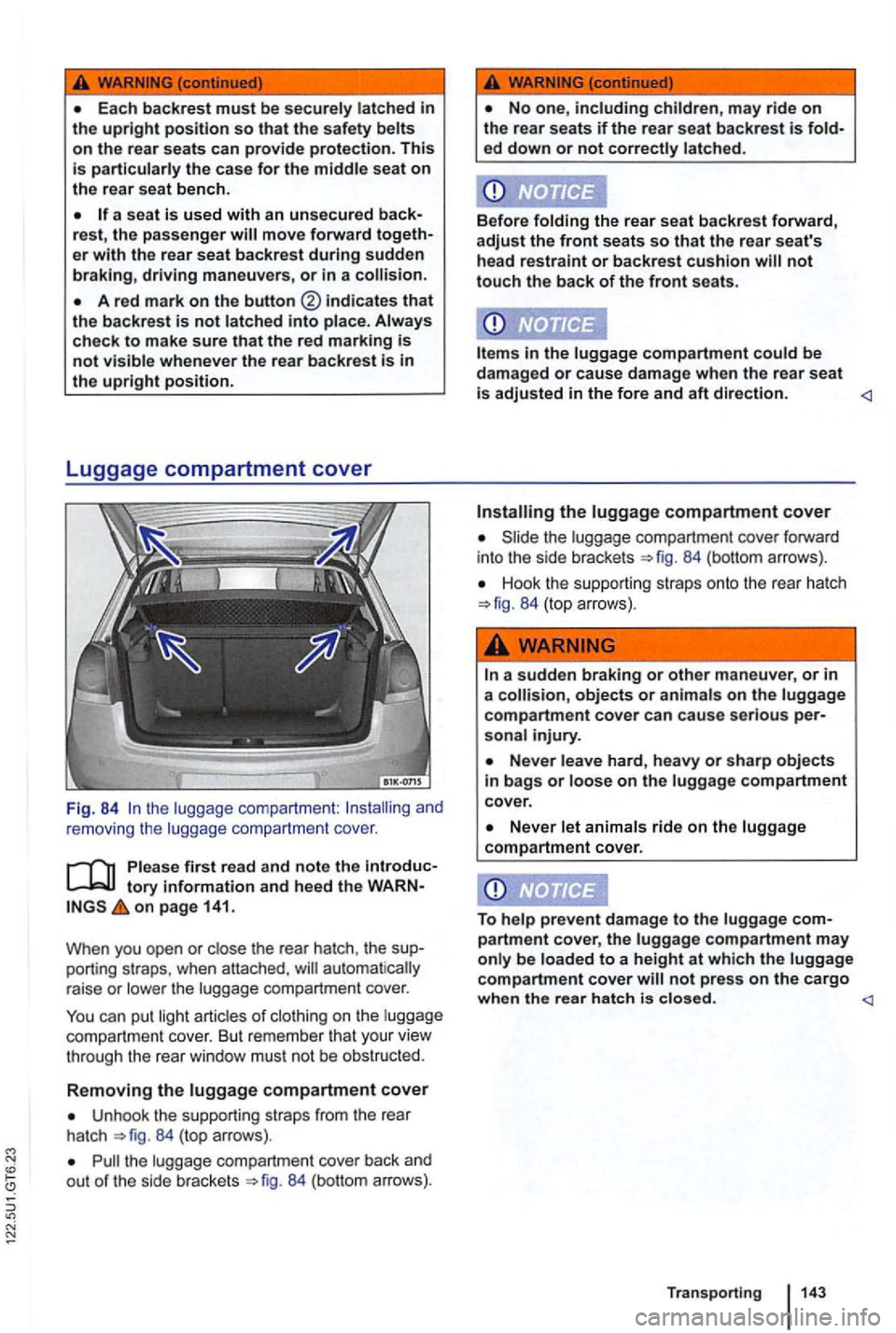
compartment : compartment cove r.
first read and note the introductory on page 141.
When you open
or the rear hatch . the sup
porting str aps , when attached .
can put of
compartment cover
Unhook the supporting str aps from the rear
ha tch 84 (top arrows) .
84 (bottom arrows).
No one, may ride on the rea r seats if the rear seat backrest is ed down or not
Before the rear seat backrest forward, adjust the front seats so that the rear seat's head restraint or backrest cushion not touch the back of the front seats.
compartment
adjuste d in the fore and aft d irection.
84 (bo ttom arrows).
Hook the supporting straps onto the rear hatch 84 (top arrows).
objects or animals on the compartment cover can cause seriou s injury.
Never hard, heavy or s harp objects
ride on the luggage compartment cover.
To prevent damage to the
to a height at which the
Transporting
Page 243 of 516
Luggage compartment pass-through
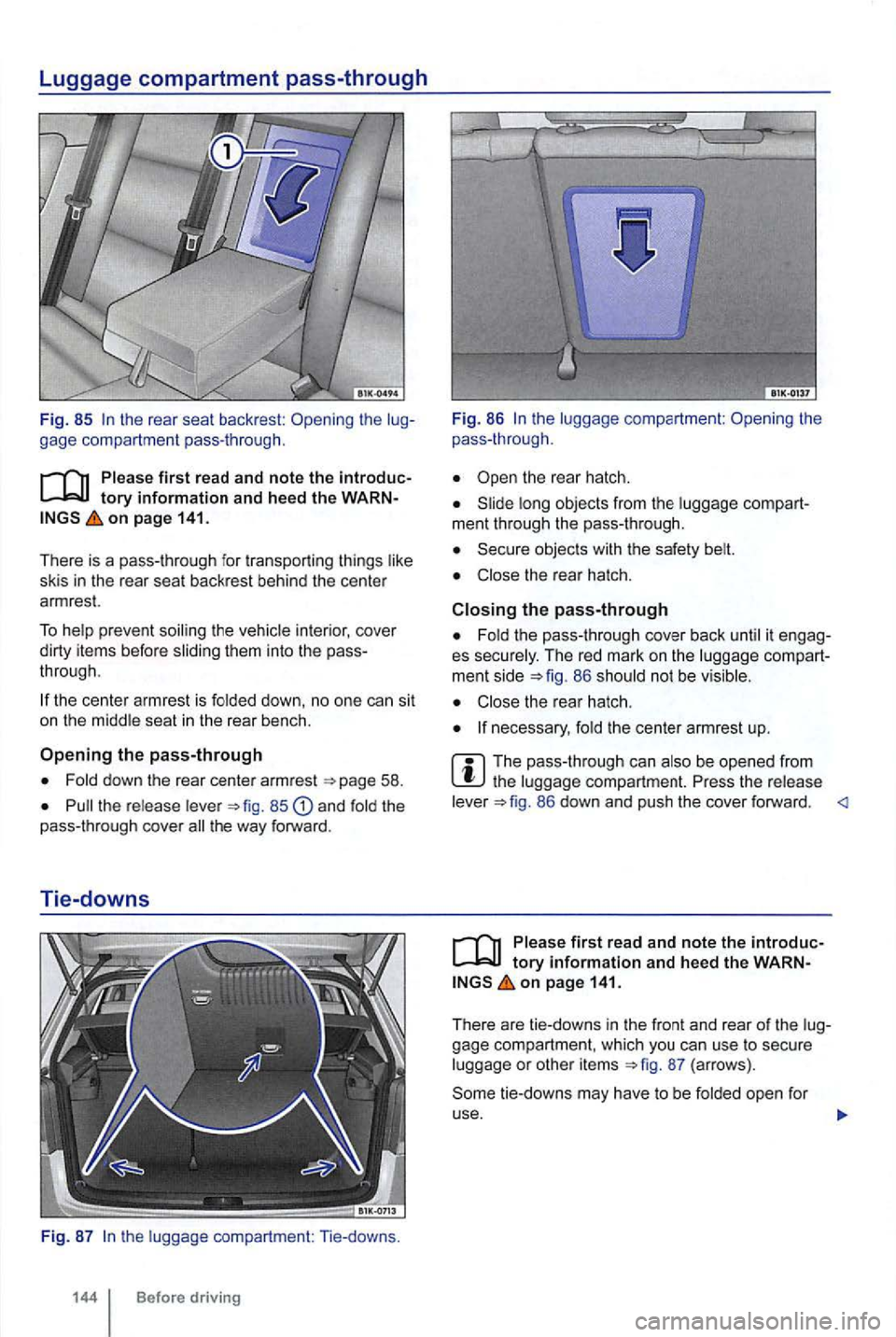
Fig. 85 gage compartmen t pass -th roug h.
first r ead and note the introduc
o n p age 141.
There is a pass-through for transporting things
skis in the rear seat backrest behind the center
armrest.
To them into the through.
seat in th e rear bench.
58.
85 and the
pass -through cover the way forward .
Tie-downs
Fig. 87 the luggage compartment: Tie-downs.
Before driving
Fig. 86 the
pass- through .
the rear hatch .
objects from the lu ggage ment through the pass-through .
Secure objects with the safety
es secure ly. The red mark on the 86
the center arm rest up.
be opened from the luggage compartment. Press the release 86 down and push the cover forward .
on page 14 1.
T here are tie-downs in the front and rear
of the gage compartm ent , which you can use to secur e or other items 87 (arrows) .
open for
use .
Page 246 of 516
Mounting the roof rack base carrier an d roof rack
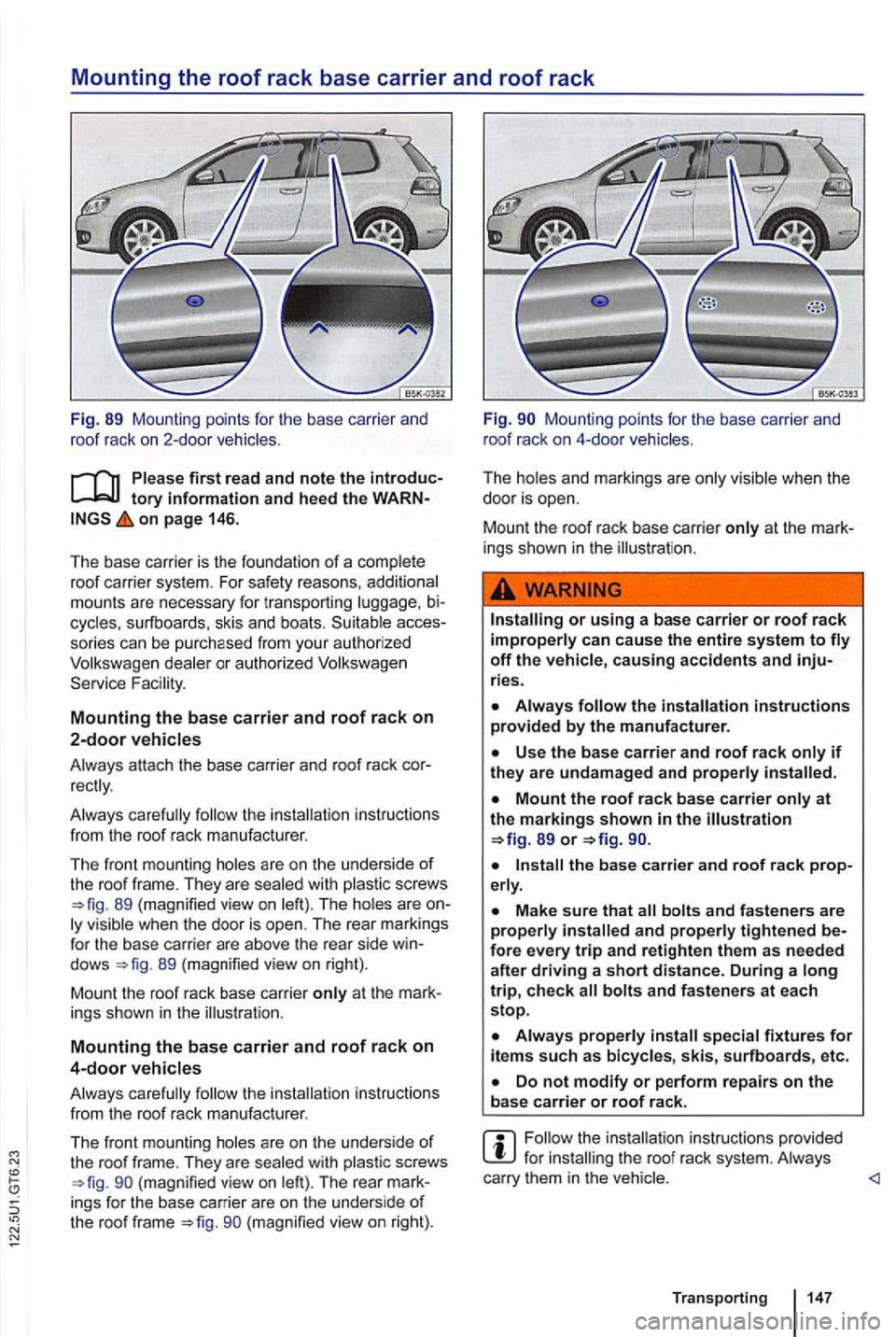
Fig . 89 Mounting points for the base carrier and
r oof rack on 2-door vehicles .
on page 146.
Th e base carrier is th e foundation
of a complet e
roof carrier sys te m . For safety reasons , additi onal
mount s are necessary for tran spor ting luggage,
cycles , s urfb oards, skis and boats . sories can be purchased from your auth orized Volk swage n dea ler or autho rized Volkswagen
Mounting the base carrier and roof rack on
2-door vehicles
Always attach th e base carrier and roof rack
A lways the instruct ions
f r om the roof r ack manuf acture r.
T he fr o nt mount ing holes are on
the unders ide of
t he roo f frame . Th ey are sealed with plastic screws 89 (magnified view on left). The ho les are
do ws 89 (magn ified view on right).
Mou nt the roof ra ck base carrier only a t the ings sh ow n in the
Mounting the base carrier and roof rack on 4-door vehicles
Always instructions
from the roof r ack manufacturer.
The fr ont mounting holes are on the underside
of the roof frame . They are sealed with plastic screws (magnified view on left) . Th e rear ings for the base carrier are on the unders ide of the roof frame (magnified view on right). Fig
.
ings sh own in the
the instructions provided by the manufacturer.
fig.
fore every trip and retighten them as needed
after driving a short distance. During a long trip, check bolts and fasteners at each stop.
for the roof rack system . A lways
carry them in the veh icle.
Page 249 of 516
some area s, speed
is higher.
you are driv ing a new vehicle or a ve hicle with a new or rebui lt engine, do not tow a during the break-in period, about 283.
Technical requirements
tory informatio n an d heed the WARNon page 149.
Use only a weight-car rying
hitch must be suitable for
you r
a "weight -dis
tributing " or "load-equalizing " trailer hitch on your The vehicle is not designed for this kind of trailer hitch
Do not use a bumper-mounted traile r hitch
Never
a trailer hitch on the bumper or on the
bumper attachments. The trailer hitch must not in
terfe re with the impact-absorbing bumper system.
Do not make any changes to the vehicle exhaust
and brake systems. From time to time, check that trailer hitch mounting bolts are secure ly fas
tened. When you are not towing, remove the trailer
hitch. This
helps keep the trailer hitch from causing damage if your vehicle is hit from behind.
Engine cooling syste m
Tow i
ng a trailer makes the engine and its cooling
system work harder.
Before driving
maintenance more often because of the extra
load it has to move.
When you are not towing , remove the trailer hitch
Some models need a trailer hitch to tow or tow-start other vehicles. after it has
been removed. Be sure to stow it securely.
your trailer has its own brakes , make sure it
meets
151 .
T ra
iler
Trailer lights must meet regulations 151.
Never connect the trailer lights directly to the elec
t rical system
of your
Outside mirrors
you cannot see the traffic behind you using the
r egular outside mirrors, then you must ex
t ended mirrors. Extended mirrors may also be re
quired by law in some countries
I states I provin
ces . Always adjust the outside mirrors befo re dr iving. It's vital that you always have a clear view to
the rear of the veh icle .
Maximum po w er con sumption fo r the trailer
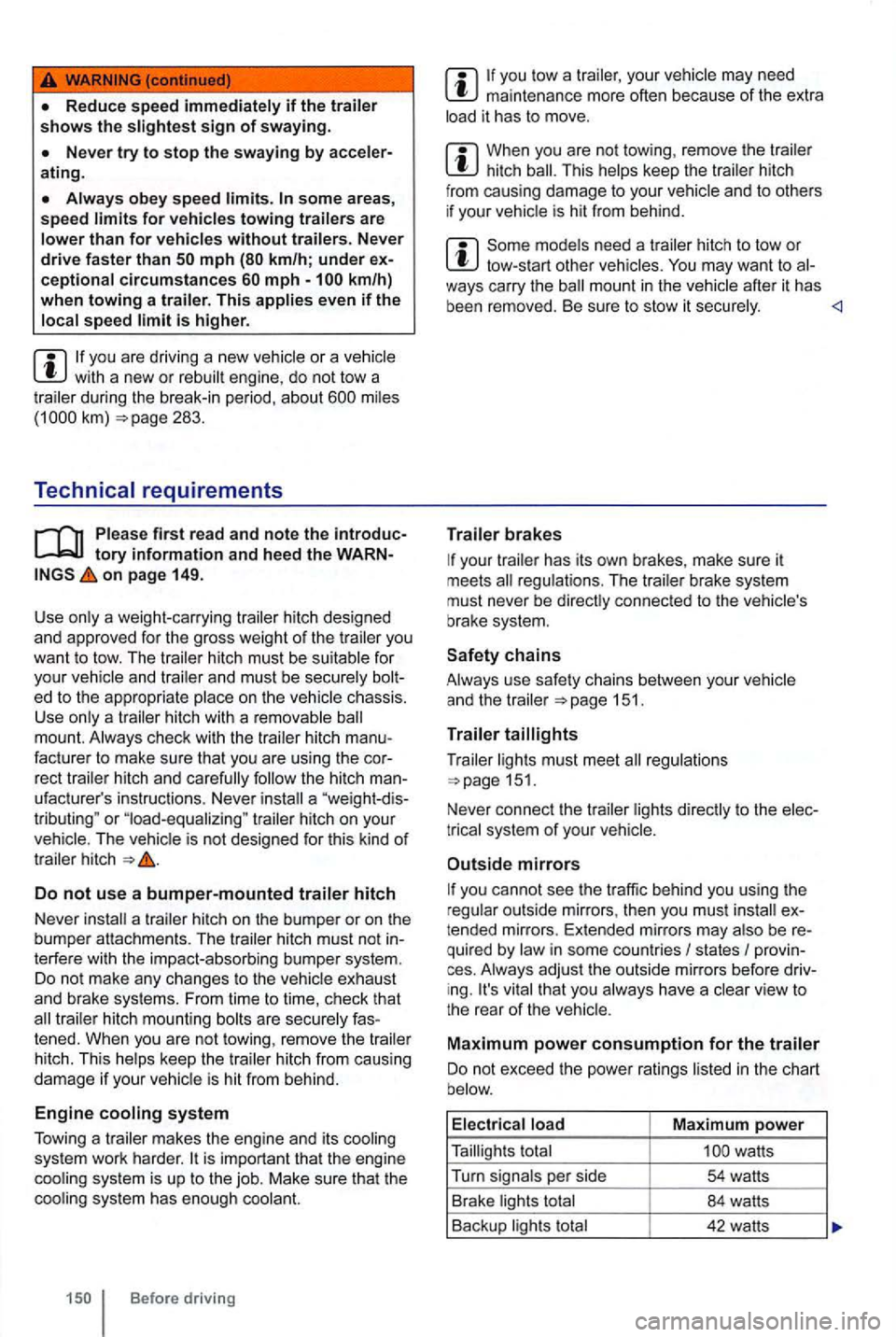
Do not exceed the power ratings listed in the chart
b elow.
E l
ectr ica l load Maximum power
Taillights total
Page 250 of 516
An improperly or incorrect trailer hitch can cause a trailer to separate from the tow vehicle and cause serious personal ries.
you don't have to tow a trailer any more, remove the entire trailer hitch. Always seal bolt holes to prevent water and deadly haust fum es from getting into the vehicle .
the trailer lights are not connected ly, the ve hicle 's ele ctronics may be damaged .
Hitching up and connecting a trailer
on page 149.
Safety chains
Always make sure t hat the safe ty c hai ns a re er ly attac hed to the tow ing ve hic le. Leave enough
s lack in the chain s so th a t yo u ca n go aroun d ners witho ut stre tc hin g the c hai ns. Th e safe ty
c h ai ns must not drag on the groun d, h owever .
Trailer
mum power consumptio n for th e traile r
connections to the vehicle electrical system can cause malfunctions that affect the entire vehicle electrical system, which can lead to accide nts and se rious personal injury.
Loading the trailer
tory information and heed the WARN -on page 149.
the trail er uses too much electricity, the vehicle's electronics may be damaged.
Never connect the electrical system for the trailer directly to the electrical connections for the rear lights or to any other unsuitable power sources. Us e only a suitable connector to vide power to the trailer.
if you tow a trailer freq uently, recom mends havi ng t he vehicle serviced
tervals because of the extr a load it has to pu ll.
some countries an addit ional fire guisher must be carried if the tota l weig ht of
the traile r excee ds 5 ,5 12 lbs. kg ).
Never attach a
trailer to the vehicle or leave it attached to the vehicle when the trailer is
things (such as a change in trailer or vehicle
load or a fla t tire ) can lower or raise the vehicle. This subjects the trailer hitch and the trailer to strong forces that can damage the ve h icle or the trailer.
the engin e is swi tc h ed off and accessories in the tr ailer are o n and use elec tricity from
the vehicl e, th e ve hicl e battery be drained as
l o ng as t he e lec trical sys te m s o f th e an d
the t railer are c onn ecte d .
Page 251 of 516
Maximum permissible
The tong ue load or tongue weight is the load pressing down on the
trailer hitch 156 .
T he maximum permissible trailer weight and
tongue weight for your vehic le are listed on
the vehicle -specific ures are listed in the official vehic le documents .
Spec ifications in officia l vehicle documents always
take precedence.
To help ensure optimum handling and driving ty, Volkswagen recommends always using the
maximum permissible tongue weight. the
tongue weight is too low, the vehicle and trailer will
not handle as well.
T ongue weight increases the load on the rear axle
and , in turn , reduces the remain
ing load your
trailer and must never be retrofitted to tow a
Class trai ler. Always make sure that your vehicle
has been designed to tow the trailer you want to
use and that it is legal to tow the trailer where you
will be driving .
Loading the
The weight distribution in th e vehicle and traile r
must be balanced. Use the maximum permissible
tongue weight and make sure that the load in the
trailer is evenly distributed and th at it
is not heavy or tail-h eavy:
Driving with a trailer
on page 149.
152 Before driving
Distribute the load in the trailer so that heavy
objects are directly above the axle or as close as
possible to the axle.
258.
able, undamaged straps that can be tightened so that the load cannot shift.
Towing a trai le r can ra ise the front end of the
Page 253 of 516
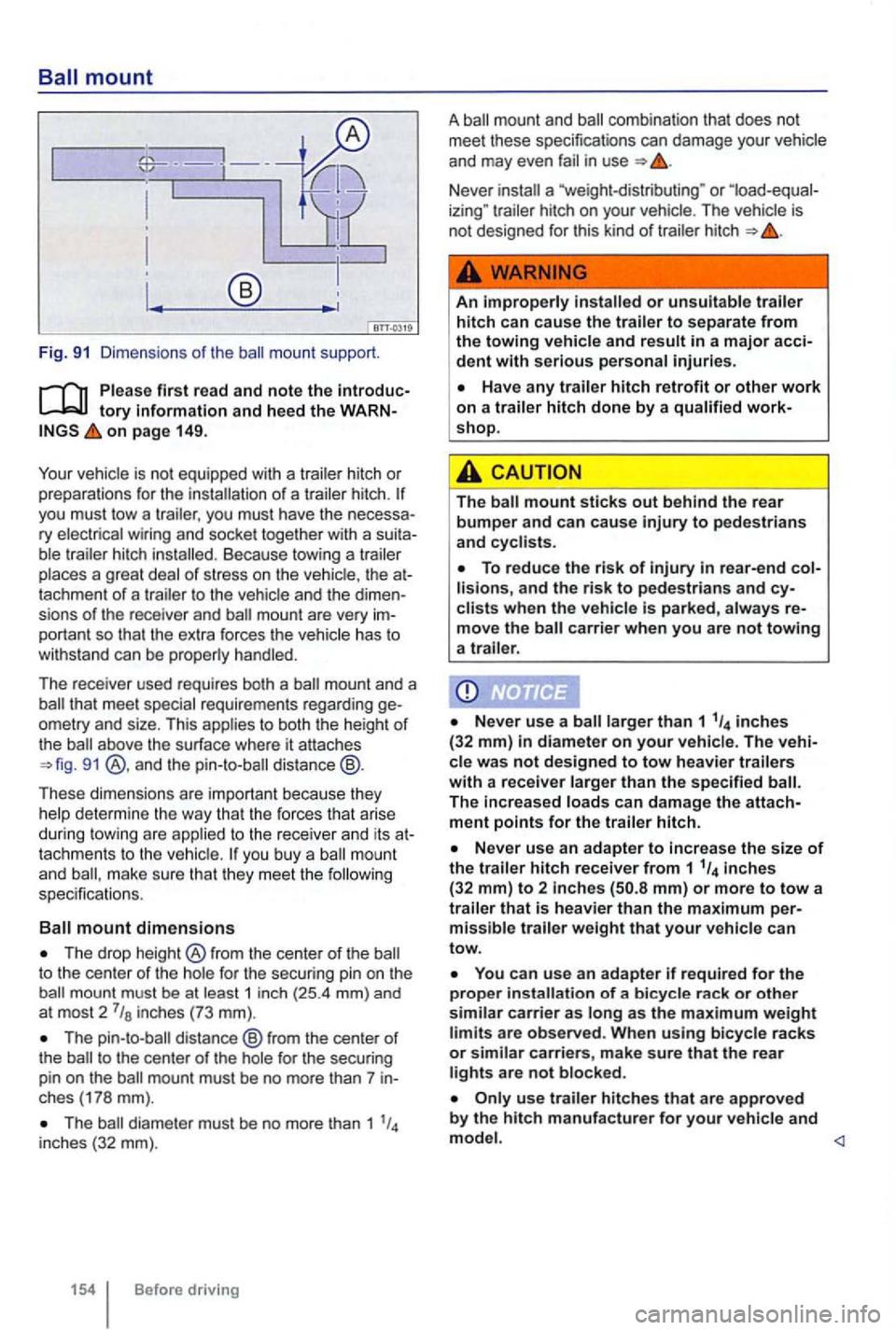
mount support .
tory Information and heed the on page 149.
Your vehicle
is not equipped with a trai ler hitch or p reparations for the in stalla tion of a trailer hitch. tf
you must tow a trailer , you must have the
ry electrical wiring and socket together with a Because towing a traile r
pl aces a great dea l of stress on the vehicle, the
sions of the receive r and
ometry and size . T his app lies to both the height of th e above the surface where it attaches
m ount
and m ake sure that th ey meet th e
The drop height ® from the center of the
The distance @from the center of
the
T he
Never izing " trailer hitch on your vehicle . T he vehicle is
not designed for this kind of trailer hitch .
An improperly or unsuitable trailer hitch can cau se the trailer to s eparate from the towing vehicle and result in a major acci-dent with serious personal injuries.
carrier when you are not towing a trailer.
cle was not designed to tow heavier trailers with a receiver larger than the specified ball.
The increased loads can damage the
ment points for the trailer hitch.
Never use an adapter to the size of the trailer hitch receiver from 1 1
/4 inches (32 mm) to 2
weight that your vehicle can tow.
You can use an adapter if require d for the proper ins ta llation of a bicycle rack or o th er similar carrier as long as the maximum weight limits are observed . When using bicyc le rack s or simil a r carri ers, mak e sure th at the rear lights are not blo cked .
use trail er hitches that are approved by the hitch manufacturer for your vehicle and
model.
Page 259 of 516
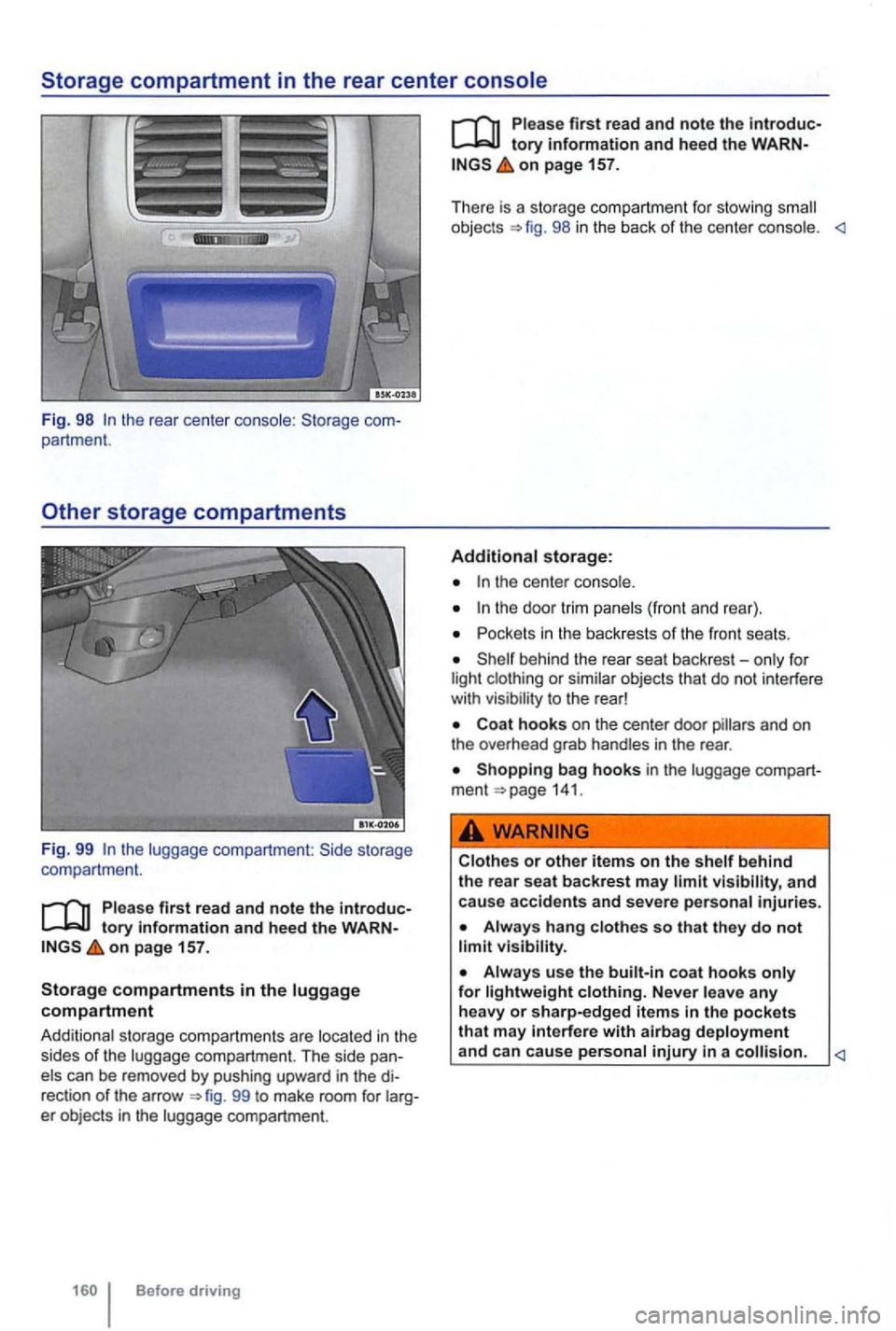
Storage compartment in the rear center console
Fig. 98
the luggage compartment:
on page 157 .
Storag e compartments in the luggag e compartment
Add itiona l storage compartments are located in the
sides of the luggage compartment. The side
els can be re m ove d by pushing upward in the rec tion of the arrow 99 to make room for er objects in the luggage compartment.
Before driving
on p ag e 157 .
T her e is a storage compartment for stowing
objects 98 in the back of the center conso le.
Pockets in the back rests of the fron t seats .
ment 14 1.
C lothes or other items on the shelf behind the rea r sea t backres t m ay limit visibility, a nd
ca use acci dents a nd seve re person al injuries.
Alw ays ha ng c loth es so th at th ey do not lim it v isibility.