2021 HYUNDAI SANTA FE HYBRID fuses
[x] Cancel search: fusesPage 24 of 598
Foreword / Hybrid System Overview
1-20
SAFETY PRECAUTIONS FOR HYBRID SYSTEM
Hybrid vehicle components
High voltage battery system
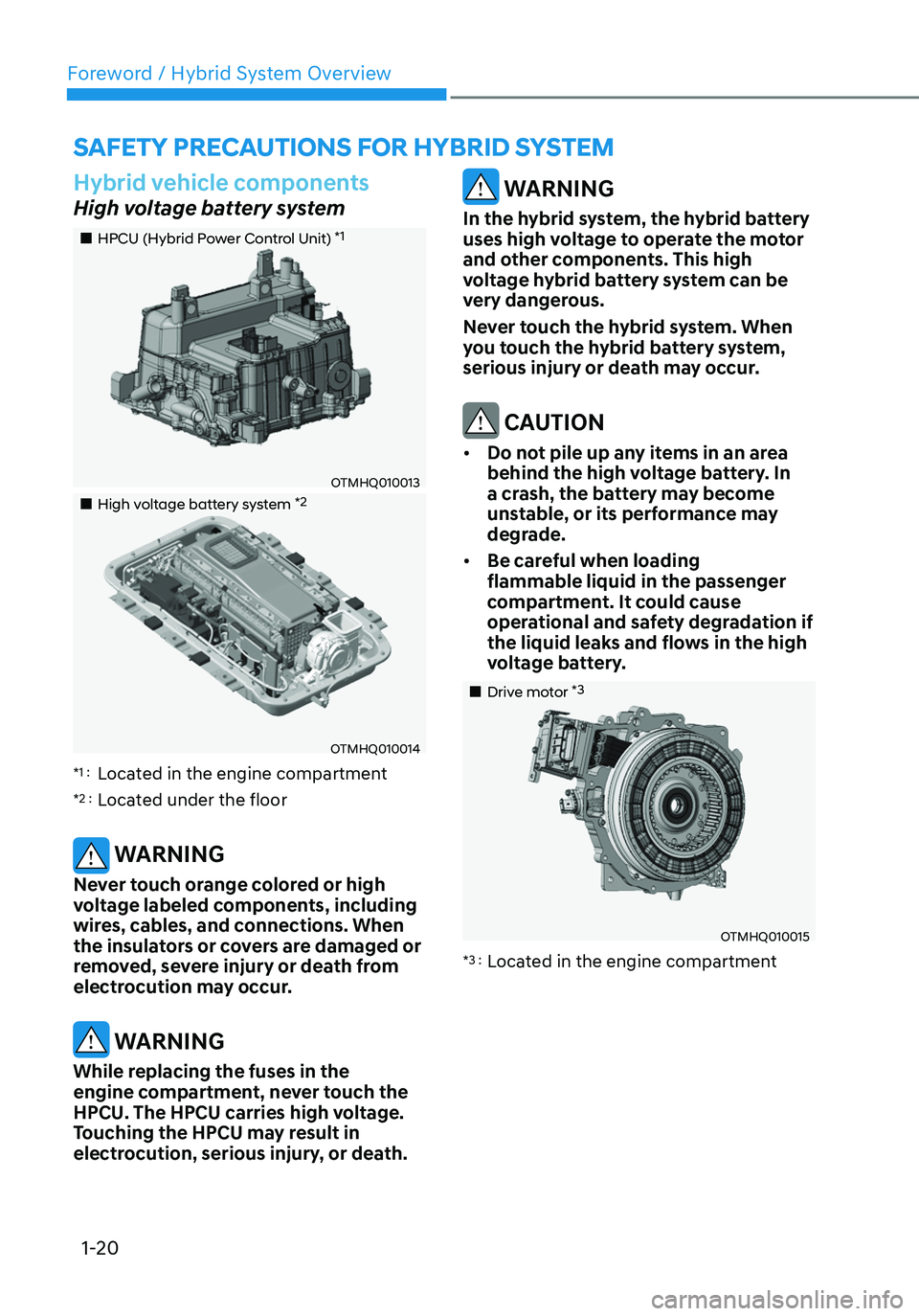
„„HPCU (Hybrid Power Control Unit) *1
OTMHQ010013
„„High voltage battery system *2
OTMHQ010014
*1 : Located in the engine compartment
*2 : Located under the floor
WARNING
Never touch orange colored or high
voltage labeled components, including
wires, cables, and connections. When
the insulators or covers are damaged or
removed, severe injury or death from
electrocution may occur.
WARNING
While replacing the fuses in the
engine compartment, never touch the
HPCU. The HPCU carries high voltage.
Touching the HPCU may result in
electrocution, serious injury, or death.
WARNING
In the hybrid system, the hybrid battery
uses high voltage to operate the motor
and other components. This high
voltage hybrid battery system can be
very dangerous.
Never touch the hybrid system. When
you touch the hybrid battery system,
serious injury or death may occur.
CAUTION
• Do not pile up any items in an area
behind the high voltage battery. In
a crash, the battery may become
unstable, or its performance may
degrade.
• Be careful when loading
flammable liquid in the passenger
compartment. It could cause
operational and safety degradation if
the liquid leaks and flows in the high
voltage battery.
„„Drive motor *3
OTMHQ010015
*3 : Located in the engine compartment
Page 26 of 598
Foreword / Hybrid System Overview
1-22
NOTICE
• When the vehicle is paint baked, do
not bake over 30 minutes in 158°F
(70°C) or 20 minutes in 176°F (80°C)
degree.
• Do not wash the engine
compartment, using water. Water
may cause an electric shock and
damage the electronic components.
WARNING
This hybrid vehicle uses the hybrid
battery system inverter and converter
to generate high voltage. High voltage
in the hybrid battery system is very
dangerous and may cause severe burns
and electric shock. This may result in
serious injury or death.
• For your safety, never touch,
replace, disassemble or remove the
hybrid battery system including
components, cables and connectors.
Severe burns or electric shock may
result in serious injury or death when
you fail to follow this warning.
• When the hybrid battery system
operates, the hybrid battery system
can be hot. Always be careful
because burns or electric shock may
be caused by high voltage.
• Do not spill liquid on the HPCU, HSG,
motor and fuses. If the hybrid system
components come in contact with
liquid, it may result in electric shock.
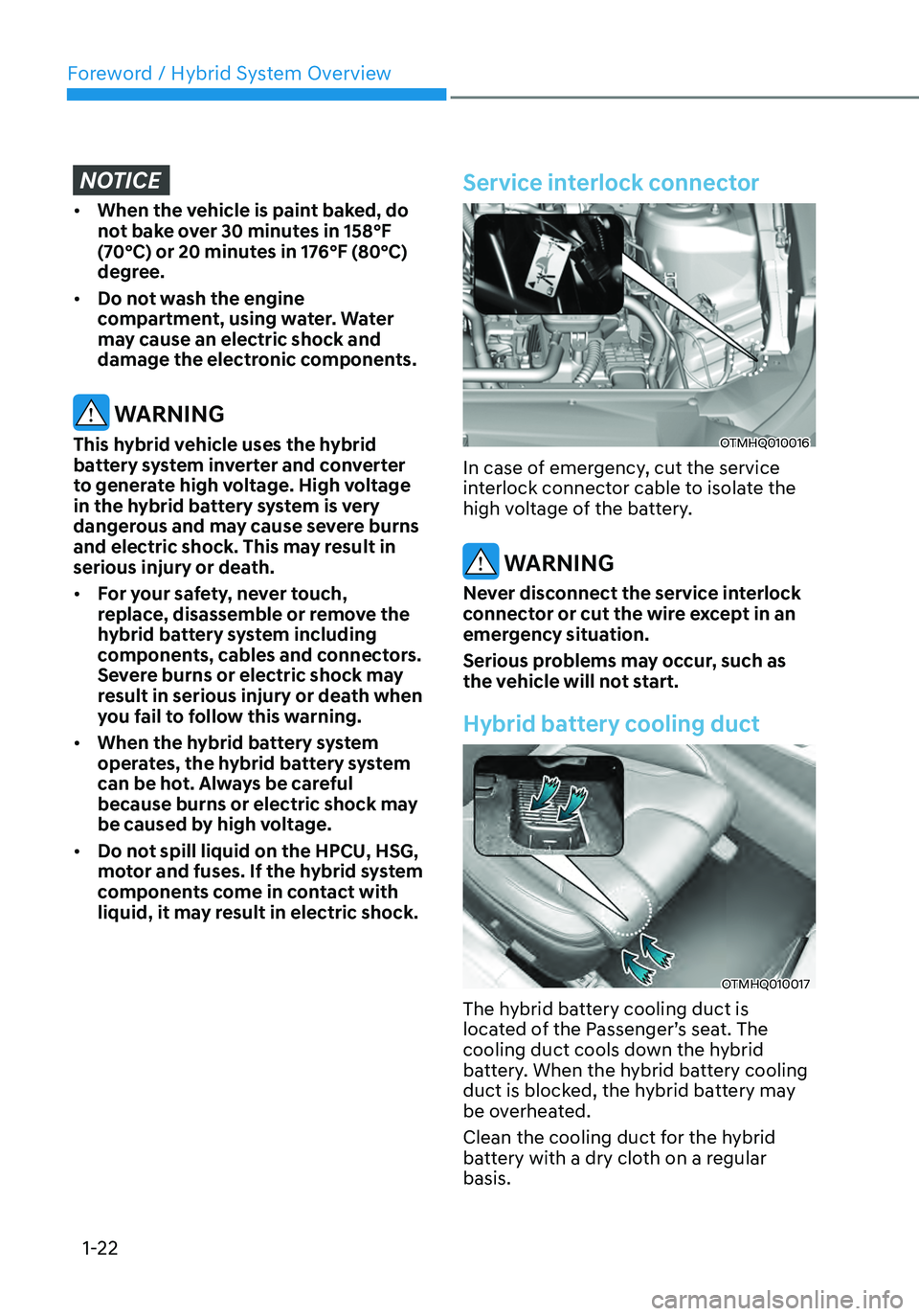
Service interlock connector
OTMHQ010016
In case of emergency, cut the service
interlock connector cable to isolate the
high voltage of the battery.
WARNING
Never disconnect the service interlock
connector or cut the wire except in an
emergency situation.
Serious problems may occur, such as
the vehicle will not start.
Hybrid battery cooling duct
OTMHQ010017
The hybrid battery cooling duct is
located of the Passenger’s seat. The
cooling duct cools down the hybrid
battery. When the hybrid battery cooling
duct is blocked, the hybrid battery may
be overheated.
Clean the cooling duct for the hybrid
battery with a dry cloth on a regular
basis.
Page 517 of 598

Tires and wheels ........................................................................\
......................9-31Tire care ........................................................................\
..............................................9-31
Recommended cold tire inflation pressures ............................................................9-31
Check tire inflation pressure ........................................................................\
.............9-32
Tire rotation ........................................................................\
........................................9-33
Wheel alignment and tire balance ........................................................................\
....9-34
Tire replacement ........................................................................\
................................9-34
Wheel replacement ........................................................................\
............................9-35
Tire traction ........................................................................\
........................................9-35
Tire maintenance ........................................................................\
...............................9-35
Tire sidewall labeling ........................................................................\
..........................9-36
Low aspect ratio tires ........................................................................\
.........................9-39
Fuses ........................................................................\
........................................9-40Instrument panel fuse replacement ........................................................................\
.9-41
Engine compartment panel fuse replacement .......................................................9-42
Fuse/relay panel description ........................................................................\
............9-43
Light bulbs ........................................................................\
................................9-51Headlamp, position lamp, turn signal lamp, Daytime Running Light (DRL)
replacement ........................................................................\
.......................................9-52
Side repeater lamp replacement ........................................................................\
......9-53
Rear combination lamp replacement ......................................................................9-54
High mounted stop lamp replacement ....................................................................9-57
License plate lamp replacement ........................................................................\
.......9-57
Interior light replacement ........................................................................\
..................9-57
Appearance care ........................................................................\
.....................9-59Exterior care ........................................................................\
......................................9-59
Interior care ........................................................................\
.......................................9-63
Emission control system ........................................................................\
......... 9-66
California perchlorate notice
........................................................................\
.9-70
9
Page 555 of 598
Maintenance
9-40
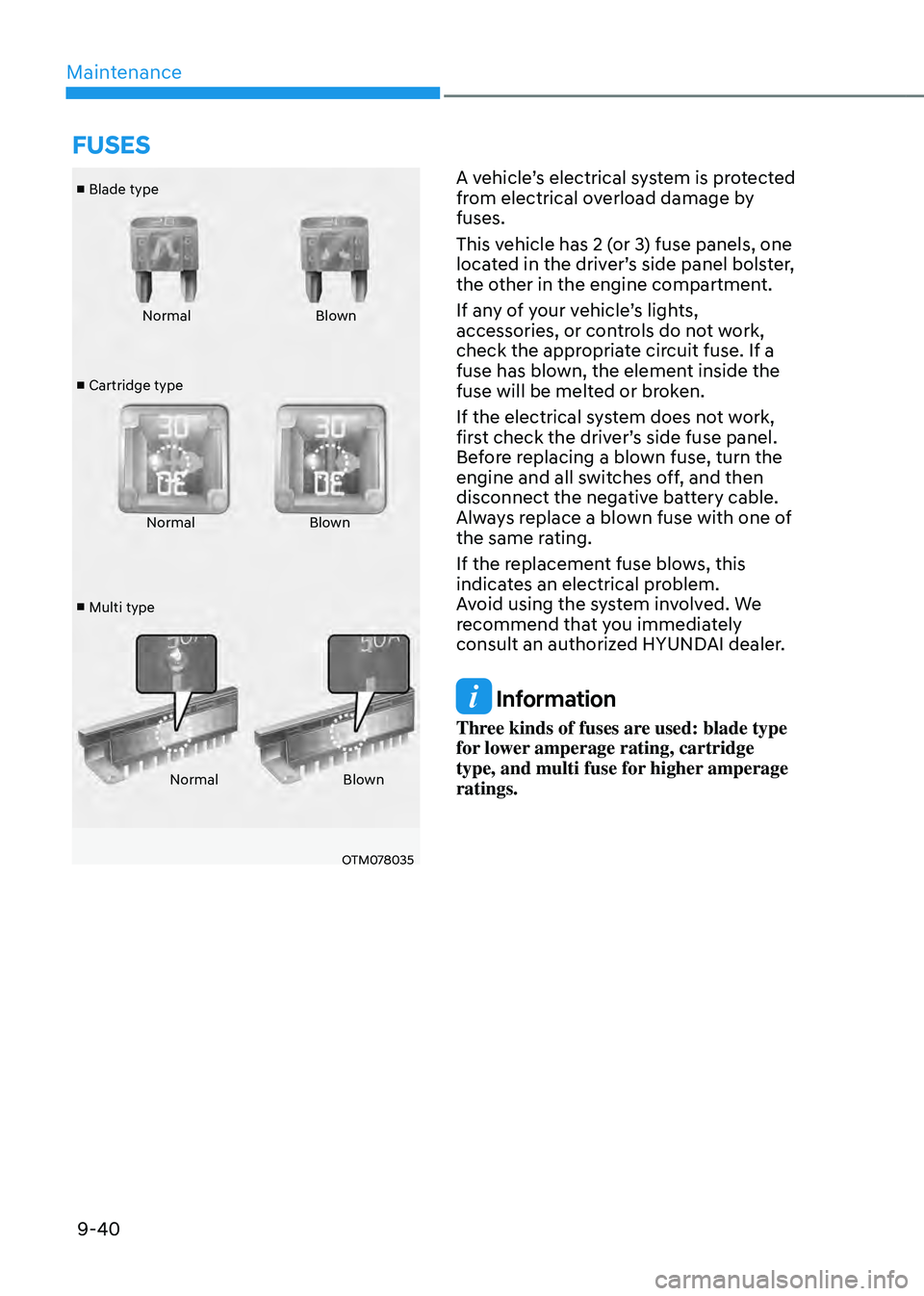
■ Blade type
■ Cartridge type
■ Multi type Normal
Blown
Normal Blown
Normal Blown
OTM078035
A vehicle’s electrical system is protected
from electrical overload damage by
fuses.
This vehicle has 2 (or 3) fuse panels, one
located in the driver’s side panel bolster,
the other in the engine compartment.
If any of your vehicle’s lights,
accessories, or controls do not work,
check the appropriate circuit fuse. If a
fuse has blown, the element inside the
fuse will be melted or broken.
If the electrical system does not work,
first check the driver’s side fuse panel.
Before replacing a blown fuse, turn the
engine and all switches off, and then
disconnect the negative battery cable.
Always replace a blown fuse with one of
the same rating.
If the replacement fuse blows, this
indicates an electrical problem.
Avoid using the system involved. We
recommend that you immediately
consult an authorized HYUNDAI dealer.
Information
Three kinds of fuses are used: blade type
for lower amperage rating, cartridge
type, and multi fuse for higher amperage
ratings.
FUSES
Page 556 of 598
09
9-41
WARNING
NEVER replace a fuse with anything but
another fuse of the same rating.
• A higher capacity fuse could cause
damage and possibly cause a fire.
• Do not install a wire or aluminum
foil instead of the proper fuse -
even as a temporary repair. It may
cause extensive wiring damage and
possibly a fire.
NOTICE
Do not use a screwdriver or any other
metal object to remove fuses because
it may cause a short circuit and damage
the system.
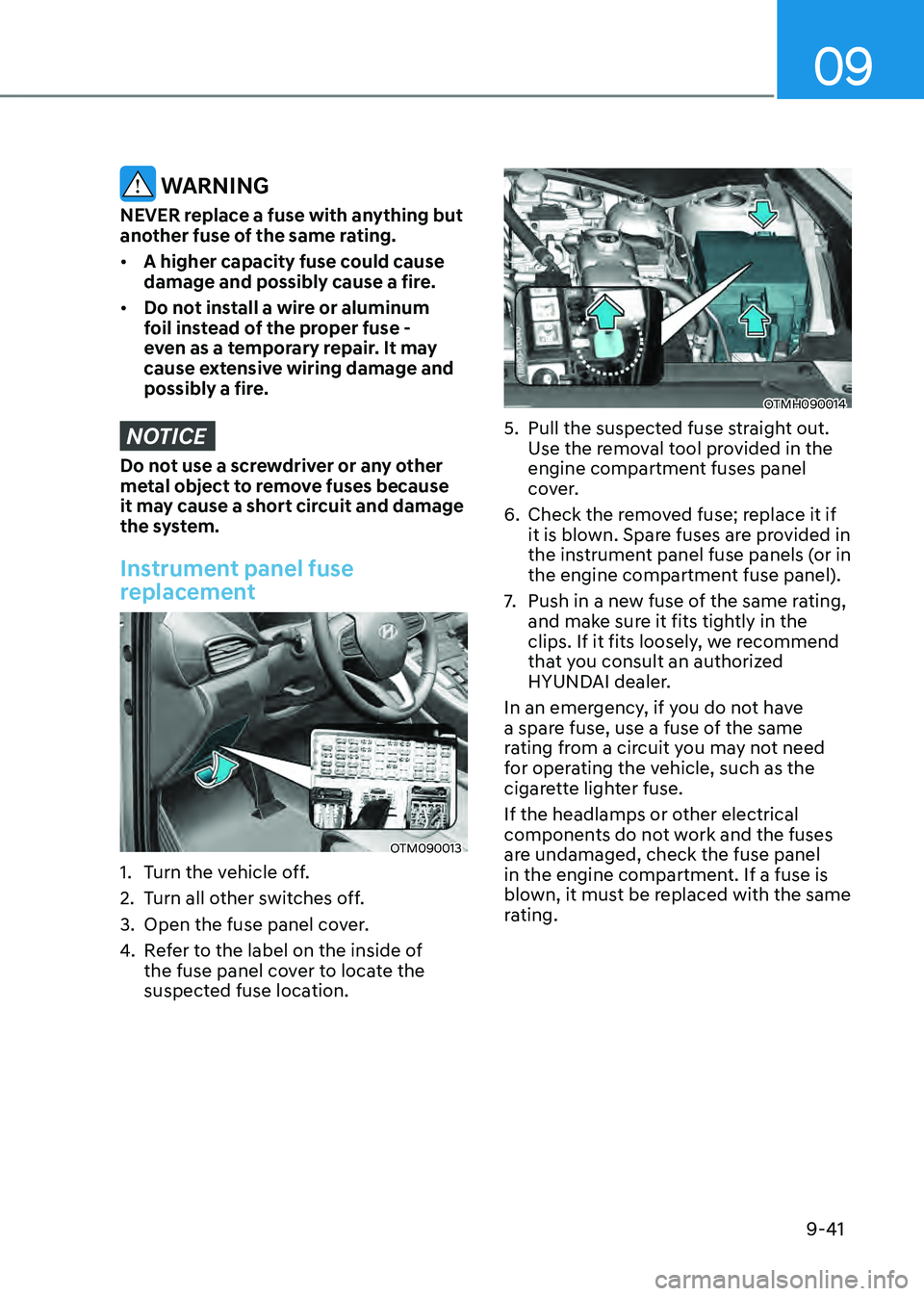
Instrument panel fuse
replacement
OTM090013
1. Turn the vehicle off.
2. Turn all other switches off.
3. Open the fuse panel cover.
4. Refer to the label on the inside of
the fuse panel cover to locate the
suspected fuse location.
OTMH090014
5. Pull the suspected fuse straight out.
Use the removal tool provided in the
engine compartment fuses panel
cover.
6. Check the removed fuse; replace it if
it is blown. Spare fuses are provided in
the instrument panel fuse panels (or in
the engine compartment fuse panel).
7. Push in a new fuse of the same rating,
and make sure it fits tightly in the
clips. If it fits loosely, we recommend
that you consult an authorized
HYUNDAI dealer.
In an emergency, if you do not have
a spare fuse, use a fuse of the same
rating from a circuit you may not need
for operating the vehicle, such as the
cigarette lighter fuse.
If the headlamps or other electrical
components do not work and the fuses
are undamaged, check the fuse panel
in the engine compartment. If a fuse is
blown, it must be replaced with the same
rating.
Page 591 of 598
 ........................................................................\
.............6-37
Emergency precautions ...................................................")
Index
I-6
Four wheel drive (4WD) ........................................................................\
.............6-37
Emergency precautions ........................................................................\
............6-42
Four Wheel Drive (4WD) operation ................................................................6-38
Reducing the risk of a rollover ........................................................................\
.6-44
Fuses
........................................................................\
............................................9-40
Engine compartment panel fuse replacement ...................................................9-42
Fuse/relay panel description ........................................................................\
.....9-43
Instrument panel fuse replacement ...................................................................9-41
H
Hazard warning flasher
........................................................................\
..................8-2
Head-Up Display (HUD)
........................................................................\
............5-76
Head-up display information ........................................................................\
....5-76
Head-up display settings ........................................................................\
..........5-76
Precautions while using the head-up display ...................................................5-77
High Beam Assist (HBA)
........................................................................\
...........5-82
System malfunction and limitations .................................................................5-83
System operation ........................................................................\
......................5-83
System settings ........................................................................\
.........................5-82
Highway Driving Assist (HDA)
........................................................................\
.7-81
System malfunction and limitations .................................................................7-85
System operation ........................................................................\
......................7-83
System settings ........................................................................\
.........................7-82
Hybrid Starter & Generator (HSG) belt ............................................................... 9-20
Checking the Hybrid Starter & Generator (HSG) belt .....................................9-20
I
If the engine overheats
........................................................................\
...................8-7
If the engine will not start
........................................................................\
..............8-3
If you have a flat tire (with spare tire)
.................................................................8-14
Changing tires ........................................................................\
..........................8-16
Jack and tools ........................................................................\
...........................8-14
Jack label ........................................................................\
..................................8-20
Removing and storing the spare tire .................................................................8-14
Ignition switch
........................................................................\
...............................6-5
Engine Start/Stop button ........................................................................\
............6-5
Remote start ........................................................................\
................................6-9