2013 AUDI TT roof
[x] Cancel search: roofPage 136 of 262

134 Child Safety
&_ WARNING
Not using a child safety seat, using the
wrong child safety seat or improperly in
stalling a child restraint increases the risk
of serious personal injury and death .
-All vehicle occupants and especially chil
dren must always be restrained properly
whenever riding in a vehicle.
-
- An unrestrained or improperly restrain
ed child can be injured or killed by be
ing thrown against the inside of the ve
hicle or by being ejected from it during
a sudden maneuver or impact .
- An unrestrained or improperly restrain
ed child is at much greater risk of injury
or death by being struck by an inflating
airbag.
- Commercially available child safety seats
are required to comply with U.S. Federal
Motor Vehicle Safety Standard (FMVSS)
213 (in Canada CMVSS 213).
- When buying a child restraint, select
one that fits your child and the vehicle.
- Only use child restraint systems that
fully contact the flat portion of the
seat cushion. The child restraint must not tip or lean to either side. Audi does
not recommend using child safety
seats that rest on legs or tube -like
frames . They do not provide adequate
contact with the seat.
-Always heed all legal requirements per
taining to the installation and use of
child safety seats and carefully follow
the instructions provided by the manu
facturer of the seat you are using.
- Never allow children under 4 ft. 9 in.
(1.4 m) to wear a normal safety belt.
However, the rear seat in the TT Coupe is
designed to permit children who are be
tween 4 ft. 3 in. (1.3 m) and 4 ft. 11 in.
(1.5 m) tall to use the available three
point lap and shoulder safety belts.
- Never let more than one child occupy a
child safety seat . -
Never let babies or older children ride in
a vehicle while sitting on the lap of an
other passenger .
- Holding a child in your arms is never a
substitute for a child restraint system.
- The strongest person could not hold
the child with the forces that exist in
an accident. The child will strike the in
terior of the vehicle and can also be
struck by the passenger.
- The child and the passenger can also
injure each another in an accident.
- Never install rear-facing child safety
seats or infant carriers on the front pas
senger seat. A child will be seriously in
jured and can be killed when the passen
ger airbag inflates -even with an Ad
vanced Airbag System .
- The inflating airbag will hit the child
safety seat or infant carrier with great
force and will smash the child safety seat
and child against the backrest, door or roof.
- Always install rear-facing child safety
seats or infant carriers on the rear seat .
- Forward-facing child safety seats instal
led on the front passenger's seat can in
terfere with the airbag when it inflates
and cause serious injury to the child. Al
ways install forward-facing child safety
seats on the rear seat.
- If exceptional circumstances require the
use of a forward-facing child restraint on
the front passenger's seat, the child's
safety and well-being require that the
following special precautions be taken :
- Make sure the forward-facing seat has
been designed and certified by its man
ufacturer for use on a front seat with a
passenger front and side airbag.
-Always carefully follow the manufac
turer's instructions provided with the child safety seat or carrier.
- Always move the front passenger seat
into the rearmost position of the pas
senger seat's fore and aft adjustment range, and as far away from the airbag
Page 138 of 262
136 Child Safet y
from moving ¢ page 140 or install the seat
using the LATCH attachments .
• Push the child safety seat down with your
full weight to get the safety belt really t ight
so that the seat cannot move forward or
sideways more than one inch (2 .5 cm) .
• Secure unused safety be lts on the rear seat
¢ page 135.
Infants up to about one year (20 lbs . or 9 kg)
a re best protected in special infant carriers
a nd chi ld safety seats designed for their age
group. Many experts believe that i nfants a nd
small children should ride only in spec ial re
strai nts in which the ch ild faces the back of
the vehicle . These infant seats support the ba
by's back, neck and head in a cras h¢
fig . 113 .
The airbag on the passenger side makes the
front seat a po tentially dangerous place for a
chi ld to r ide. The front seat is not the safest
p lace for a child in a forward-facing child seat.
It is a very dangerous p lace for an infant or a
larger child in a rearward-facing seat .
A WARNING
Not using a child safety seat, using the
wrong ch ild safety seat or improperly in
stall ing a child restraint inc reases the risk
of serious persona l injury and d eath in a
c rash .
- Never install rear-fac ing ch ild safety
seats or infant carriers on the front pas senger seat -even wi th an Advanced Air
bag System. A child w ill be seri ously in
jured an d can be k illed when the inflat
ing airbag hits the child safety seat o r in
fant ca rr ier with great force and smashes
the ch ild safety seat and ch ild aga inst
the backrest, doo r or roof ¢
page 110,
Child restraints on the front seat -some
important things to know.
- Always install rear-facing child safety
seats or infant car riers on the rear seat.
- Never install a rear-facing child restraint
in t he forward-facing direction. Such re
straints are des igned for the spec ial
needs of infants and very small childre n and cannot protect them properly if the
seat is forward-facing.
-
If you must install a rearwa rd facing
child safety seat on the front passenger
seat because of exceptional c ircumstan
ces and the
PASSENGER AIR BAG OFF
light does not come o n and stay on, im
mediately insta ll the rear-fac ing ch ild
safety seat in a rear seating position and
have the airbag system inspe cted by your
Aud i dea le r.
- Always read a nd heed a ll WAR NINGS
whenever us ing a chi ld re strained in ave
hicle is be ing used
¢ page 100, Safety
belts, ¢page 108, Airbag system
and
¢ page 130, Important things to know .
Convertible child safety seats
Properly used convertible child safety sea ts
can help protect toddlers and childr en ov er
age one who weigh between 20 and 40 lbs . (9
and 18 kg) in a crash.
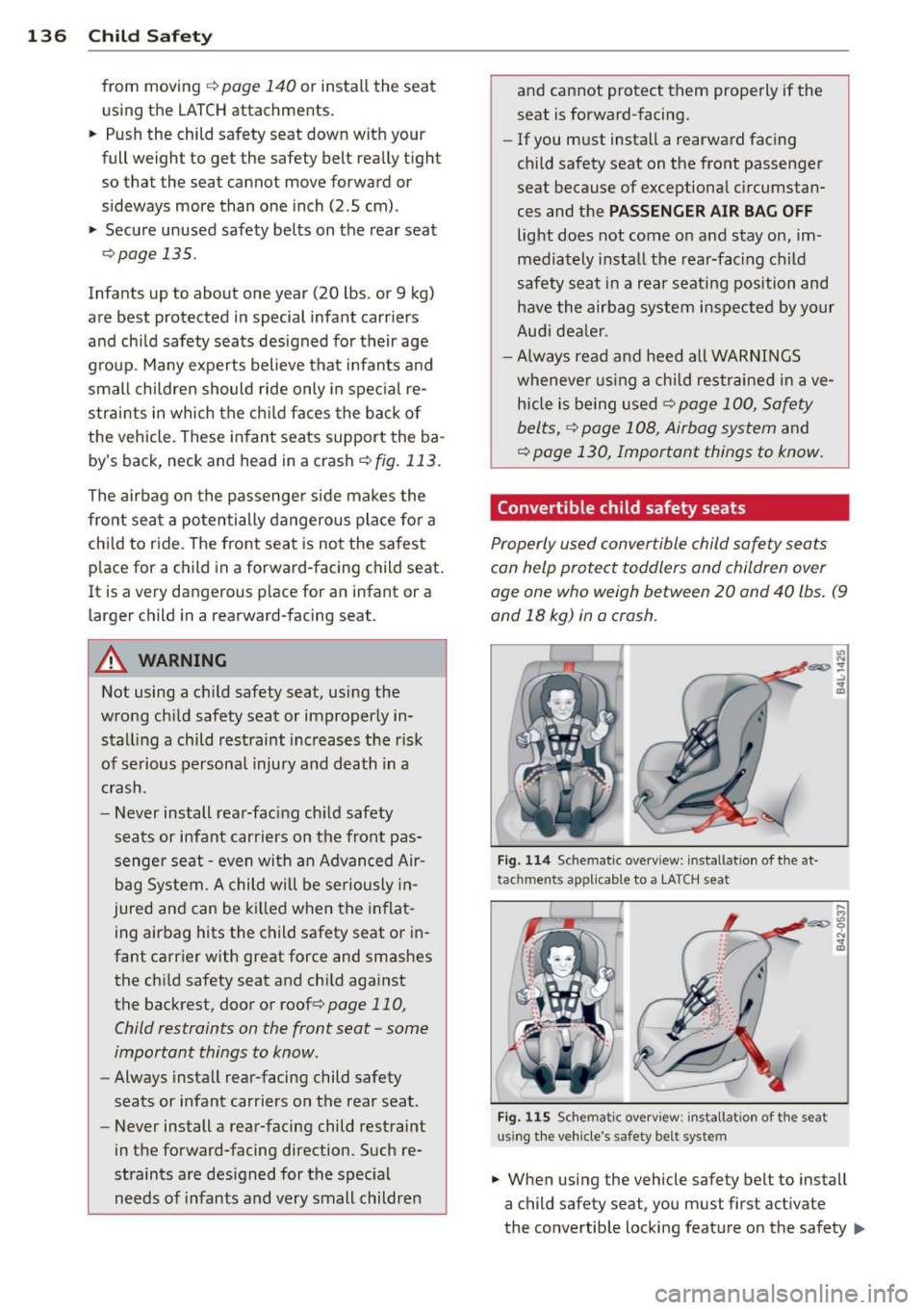
Fig . 1 14 Sc hema tic overview: instal lat ion of the at·
t ac hme nts applicab le to a LA TCH sea t
Fig. 115 Sc hemat ic overview: installa tion of t he sea t
us ing t he ve hicle 's safety be lt sys te m
• When using the vehicle safety belt to install
a child safety seat, you must first activate
the convertible locking feature on the safety ..,_
Page 139 of 262
belt to prevent the child safety seat from
moving
r::!> page 140 or insta ll th e seat using
the LA TCH attachments .
"' Push the child safety seat down w ith your
full weigh t to get the safety belt really t ight
so that the seat cannot move forward or s ideways more than one inch (2 .5 cm)
r::!> page 140 .
"' If the child safety seat is equ ipped with a
tether strap, attach it to the tether anchors
r::!> page 147 .
.. Secure unused safety belts on the rear seat
r::!> page 13 5 .
A toddler or child is usually too large for an in
fant restraint if it is more than one year o ld
and weighs more than 20 lbs . (9 kg) .
Todd le rs and c hildren who are older than one
year up to abo ut 4 years o ld and weigh more
than 20 lbs. (9 kg) up to 40 lbs . (18 kg) must
a lways be properly restrained in a chi ld safety
seat certified for their size and weight
r::!> fig. 114 and r:::>fig. 115.
The airbag on the passenge r side makes the
front seat a potentially dangerous place for a
chi ld to ride. The front seat is not the safest
p lace for a child in a forward-facing child safe
ty seat.
It is a very dangerous place for an in
fant or a larger child in a rearward-fac ing seat.
A WARNING
Not using a ch ild safety seat , using the
w rong chi ld safety seat or improperly in
stalling a child restraint increases the risk
of serious personal injury and death in a
co llision or other emergency s ituation.
- Children on the front seat of any car,
even with Advanced A irbags, can be seri
o usly injured or even killed when an air
bag inf lates . A child in a rearward-facing
child safety seat insta lled on the front
passenger seat w ill be seriously injured
and can be killed if the front airbag in
flates -even with a n Advanced Airbag
System.
- The inflating a irbag w ill hit the child
safety seat or infant carrier with great
-
Child Sa fet y 137
force and will smash the child safety seat
and child against the backrest, door or
roof.
- Always install rear-facing ch ild safety
seats on the rear seat .
- If you must insta ll a rearwa rd facing
child safety seat on the front passenger
seat because of exceptiona l circumstan
ces and the
PA SS ENGER AIR BAG OFF
light does not come on and stay on, im
mediately insta ll the rear-fac ing ch ild
safety seat i n a rea r seating position and
h ave the airbag system inspected by your
Aud i dea le r.
- Always read and heed al l WARNINGS
wheneve r using a child res trained in ave
hicle is being used
r=:> page 100, Safety
belts,
c:> page 108, Airbag system and
r::!> page 130, Important things to know .
A WARNING
If exceptional circumstances require the
use of a forward-facing child restraint on
the front passenger's seat, the child's safe
ty and well-being require that the follow ing spec ial precautions be taken:
- Make sure the forward-facing seat has
been designed and cert ified by its manu
facturer for use on a front seat with a passenger front and side airbag .
- Always follow t he manufacturer's in
structions p rov ided with the ch ild safety
seat o r infant ca rr ier .
- Always move the front passenger seat in
to the rearmost position of the passen
ge r seat's fo re and aft adjustment range,
a nd as far away from the ai rbag as possi
b le before installing the ch ild restraint.
- Always ma ke sure that no thing prevents
the front passenger 's seat from being
moved to the rearmost position in its
fore and aft adj ustment range.
- Always ma ke sure the backrest is in an
up right position .
- Ma ke sure that the
PASSENGER AIR BAG
-
OFF li ght comes on and stays on all the ~
•
•
Page 141 of 262

In o rder for the airbag to offer protection, it is
important t hat all vehicle occupants, especia l
l y any children, who must be in the front seat
because of exceptional circumstances, be
pro perly restrained and as far away from the
airbag as poss ible. By keep ing room between
the child's body and the front of the passen
ger c om partment, the airbag can inflate com
p letely and provide supp lemental p rotection
in certa in frontal col lis ions.
A WARNING
Not using a booster seat, us ing the boos
ter seat improperly, incorrect ly installing a
booster seat or using the vehicle safety
belt improperly increases the risk of seri
ous personal injury and death in a collision
or other emergency s ituation. To help re
duce the risk of ser ious personal injury
and/or death:
- The shoulder be lt must lie as close to the
center of the child's co llar bone as poss i
ble and must lie and snug on the upper
body.
It must never lie across the throat
o r neck. The lap belt must l ie across the
pelvis and never across the s tomach o r
abdomen. Make sure the belt lies flat
and snug. Pull on the be lt to tighten if
necessary.
- Failure to properly route safety belts
over a child's body will cause severe inju
ries in an acc ident or other emergency
situation
¢page 100.
-Children on the front seat of any car,
even with Advanced A irbags, can be seri
ous ly injured or even killed when an a ir
bag inflates.
- Never let a child stand or knee l on any
seat, for examp le the front seat.
- Never let a child ride in the ca rgo area of
your vehicle.
- Always remember that a ch ild lean ing
forward, sitt ing s ideways or out of posi
t ion in any way during an acc ident can be
struck by a deploying airbag . This will re
sult in se rious personal injury or death.
- If you must install a booster seat on the
front passenger seat because of excep-
-
Child Sa fet y 139
tional circ umstances the PASSENGER
AIR BAG OFF
li ght m ust come on and
stay on, whenever the ignition is switch
ed on .
- If the
PASSENGER AIR BAG OFF light
does not come on and stay on, perform
the checks descr ibed
¢ page 119, Moni
toring the Advanced Airbag System .
-Take the chi ld restraint off the front pas
senger seat and install it prope rly at one
of the rear seat positions if the
PASSEN
GER AIR BAG OFF
lig ht does not stay on
wheneve r the ignit ion is swi tched on.
- Always read and heed all WAR NINGS
wheneve r us ing a child res trained in ave
hicle is being used
¢page 100, Safety
belts,
¢ page 108, Airbag system and
¢ page 130, Important things to know .
Booster seats on the rear seat
Children who are about 7 years and older, who
weigh mo re than SS lbs . (25 kg) and are not
ta ller than 4'11" (1.5 m) are best protected
when properly rest rained on the rear seat.
D ue to limited rear seat head clearance c hil
dren 4'3" (1.3 m) and taller must not use
booster seats o n the rear seat of your Aud i TT
Coupe. The rear seat of your Audi TT Coupe
has been specially designed to permit ch ildren
who are betwee n 4'3" ( 1.3 m) and 4'11" ( 1.5
m) tall (about 7 to 12 years old) to use the
available th ree -point lap and s hou lde r safety
belts.
A WARNING
~ -
- T he rear sea t area is too sma ll to safely
transport passengers tal le r than 4 '11"
(1.5 m).
- Persons taller than 4'11" (1. 5 m) as well
as children in booster seats who are too
close to the rear window and roof can
suffer severe head and neck inju ries
when t he rear lid is closed or in a crash.
- The minimum clearance between the
passengers' heads and the rear w indow
•
•
Page 143 of 262

interior. The child can be seriously in
jured or killed.
- Never install rear-facing child safety
seats or infant carriers on the front pas
senger seat. A child will be seriously in
jured and can be killed when the passen ger airbag inflates .
- The inflating airbag will hit the child
safety seat or infant carrier with great
force and will smash the child safety seat
and child against the backrest, door or
roof.
- Always install rear-facing child safety
seats or infant carriers on the rear seat.
- Forward -facing child safety seats or in
fant carriers installed on the front pas
senger's seat may interfere with the de
ployment of the airbag and cause serious
injury to the child.
-It is safer to install a forward-facing
child safety seat on the rear seat.
- Always read and heed all WARNINGS
whenever using a child restrained in ave
hicle is being used~
page 130. Special
precautions apply when installing a child
safety seat on the front passenger seat
~ page 110, Child restraints on the front
seat -some important things to know.
_&. WARNING
Always take special precautions if you
must install a forward or rearward-facing
child restraint on the front passenger's
seat in exceptional situations:
- Whenever a forward or rearward-facing
child restraint is installed on the front
passenger seat, the
PASSENGER AIR
BAG OFF
light must come on and stay on
whenever the ignition is switched on.
- If the
PASSENGER AIR BAG OFF light
does not come on and stay on, perform
the checks described
~page 119, Moni
toring the Advanced Airbag System.
- Take the child restraint off the front pas
senger seat and install it properly at one
of the rear seat positions if the
PASS EN-
Child Safety 141
GER AIR BAG OFF light does not stay on
whenever the ignition is switched on.
- Improper installation of child restraints
can reduce their effectiveness or even
prevent them from providing any protec
tion.
-An improperly installed child restraint can interfere with the airbag as it deploys and seriously injure or even kill the
child.
- Always carefully follow the manufactur
er's instructions provided with the child
safety seat or carrier.
- Never place additional items on the seat
that can increase the total weight regis
tered by the weight-sensing mat and can cause injury in a crash.
_&. WARNING
Forward-facing child restraints:
- Always make sure the forward-facing
seat has been designed and certified by
its manufacturer for use on a front seat
with a passenger front and side airbag.
- Never put the forward-facing child re
straint up, against or very near the in
strument panel.
- Always move the passenger seat into its
rearmost position in the seat's fore and
aft adjustment range, as far away from
the airbag as possible before installing
the forward-facing child restraint. The backrest must be adjusted to an upright
position.
- Make sure that the
PASSENGER AIR BAG
OFF
light comes on and stays on all the
time whenever the ignition is switched
on .
_&. WARNING
Rearward-facing child restraints:
- A child in a rearward-facing child safety
seat installed on the front passenger
seat will be seriously injured and can be killed if the front airbag inflates - even
with an Advanced Airbag System .
•
•
Page 144 of 262

142 Child Safety
-The inflating airbag will hit the child
safety seat or infant carrier with great
force and will smash the child safety seat and child against the backrest, door or
roof.
- Always be especially careful if you must
install a rearward facing child safety seat
on the front passenger seat in exception
al circumstances.
-A tight tether strap on a rearward-facing child restraint attached to the front pas
senger seat can put too much pressure
on the weight-mat in the seat and regis
ter a heavier weight in the Advanced Air
bag System. The heavier weight regis
tered can make the system work as
though an adult were on the seat and de
ploy the Advanced Airbag when it must
be suppressed causing serious or even
fatal injury to the child .
- Make sure that the
PASSENGER AIR BAG
OFF
light comes on and stays on all the
time whenever the ignition is switched on .
- If the
PASSENGER AIR BAG OFF light
does not come on and stay on, immedi
ately install the rear-facing child safety
seat in a rear seating position and have
the airbag system inspected by your Audi
dealer.
Activating the convertible locking retractor
Use the convertible locking retractor to se
cure a child restraint.
Always heed the child safety seat manufactur
er's instructions when installing a child re
straint in your vehicle. To activate the conver
tible lock ing retractor :
"' Place the child restraint on a seat, prefera
bly on the rear seat .
... Slowly pull the belt
all the way out.
... Route it around or through the child re
straint belt path
c:> ,& .
... Push the child safety seat down with your
full weigh t to get the safety belt really tight. "'
Insert the belt tongue into the buckle for
that seating position .
"' Guide the safety belt back into the retractor
until the belt lies flat and snug on the child
safety seat.
... You should hear a "clicking" noise as the
belt winds back into the inertia reel. Test the
convertible locking retractor by pulling on
the belt. You should no longer be able to
pull the belt out of the retractor. The con
vertible locking retractor is now activated.
... Make sure that the red release button is fac
ing away from the child restraint so that it
can be unbuckled quickly.
"' Pull on the belt to make sure the safety belt
is properly tigh t and fas tened so tha t the
seat cannot move forward or sideways more
than one inch (2.5 cm) .
A WARNING
Using the wrong child restraint or an im
properly installed child restraint can cause
serious personal injury or death in a crash.
-Always make sure that the safety belt re-
tractor is locked when installing a child
safety seat. An unlocked safety belt re
tractor cannot hold the child safety seat
in place during normal driving or in a
crash.
- Always buckle the child safety seat firmly
in place even if a child is not sitting in it.
A loose child safety seat can fly around
during a sudden stop or in a crash.
- Always make sure the seat backrest to
which the child restraint is installed is in
an upright position and securely latched
into place and cannot fold forward . Oth
erwise, the seatback with the child safety
seat attached to it could fly forward in
the event of an accident or other emer
gency situation.
- Always read and heed all WARNINGS
whenever using a child restrained in ave
hicle is being used
c:> page 130. Special
precautions apply when installing a child
safety seat on the front passenger seat
c:> page 110, Child restraints on the front
seat -some important things to know.
-
Page 162 of 262

160 Driving and en vironm ent
Avoid damaging the
vehicle
When you are driving on poor roads, or over
curbs, steep ramps, etc ., make certain that
low-lying parts such as spoilers and exhaust
system parts do not bottom out and get dam
aged.
This is especially true for vehicles with low
slung chassis (sports chassis) and fully loaded
vehicles .
Driving through water
on roads
Note the following to avoid vehicle damage
when driving through water, for example on
flooded roads:
- T he water must not be any highe r tha n the
bottom of the vehi cle body.
- Do no t drive faster than wa lking speed.
_& WARNING
After d riving through water, m ud, slush,
etc., the brakes may be slow to take effect
because o f wet brake ro tors and pads . Dry
the brakes fi rst by braking carefully to re
store the full braking effect.
(]) Note
Vehicle components such as the engine,
transmiss ion, suspension or electrical sys
tem can be severely damaged by driving
through water.
- Check the depth o f the water before driv
ing through it.
- Do not stop the veh icle, dr ive in reverse
or switch the engine
off when driving
through water.
- Keep in mind that oncoming vehicles may c reate waves that raise the water
l evel and make it too deep for your vehi
cle to drive through safely.
- Avoid driving thro ugh salt water because
it can ca use corrosion.
-
Catalytic converter
It is very important that your emission con
trol system (catalytic converter) is function
ing properly to ensure that your vehicle is run
ning in an environmentally sound manner.
.,. Always use lead-free gasoline ¢ page 176,
Fuel supply .
.,. Never run the tank down all the way to
empty .
.,. Never put too much motor o il in your en-
gine ¢
page 185, Adding engine oil 'l::r. .
.,. Never try to push- or tow-sta rt you r vehicle.
The catalyt ic converter is an efficient "clean
u p" dev ice buil t into the exhaust system of
t h e vehi cle. The cata lytic conve rter bu rns
many of t he pollu tan ts in the exha ust gas be
f ore they are re leased into the atmosphere.
T he exclusive use of unleaded fuel is critica lly
important for the life of the catalyt ic convert
er and prope r fu nct ion ing of the engine.
A WARNING
- Do not park or operate the vehicle in
areas where the hot exha ust system may
come in contact with dry g rass, brush,
fue l spill or other material wh ich can
cause a fire.
- Do not app ly additiona l undercoating or
rustproofing on or near the exhaust
manifold, exhaust pipes, catalytic con
verter or heat sh ields. Dur ing driv ing, the
substance used fo r undercoating could
overheat and cause a fire.
(D Note
- Be aware that just one tank filling with
leaded fuel will already ser iously de-
grade the performance of the catalytic
converte r.
- Do not exceed the correct engi ne oil level
¢page 185.
-Do not drive until the fuel tank becomes
completely empty . The engine co uld mis-
fire. Unburned fuel could also get into ..,.
Page 167 of 262

Automatic car wash
The vehicle can be washed in almost any
modern automatic car wash .
The vehicle paint is so durable that the vehicle
can normally be washed without problems in
an automatic car wash. However, the effect on
the paint depends to a large extent on the de
sig n of the fac ility, the filtering of the wash
water, the type of wash and care mater ial , etc.
If the paint has a dull appearance afte r go ing
through the car wash or is scratched, bring
this to the attention of the operator immedi
ately. If necessary, use a different car wash.
Before going through a ca r wash, be s ure to
take the usual precautions such as closing the
windows. Remove antenna if applicable .
If you have installed additional accessories on
the vehicle -such as spoilers, e tc. -it is best to
ask the car wash operator i f these should be
removed .
A WARNING
Always read and heed all WARNINGS and
the information ¢
page 164.
(D Note
- Fold the exterior mirrors -flat the re is a
risk of damaging the exterio r mirrors .
Power folding exterior mi rrors must not
be fo lded in or out by hand. Use the pow
er function!
- Compare the track of your vehicle w ith
the d istance between the guide ra ils of
the facility- there is a risk of damage to
the wheels and tires .
- Compare the width of your vehicle wit h
the width of the tu nnel at the fac ility.
Washing the vehicle by hand
A lot of water is needed when washing a vehi
cle by hand.
~ Befo re you start washing, make sure you
have read and understood the WARNINGS
¢ A in General informa tion on page 164 .
Cleaning and protec tion 165
~ First soak all dried d irt unt il it is soft, then
rinse it off.
~ As you clean yo ur vehicle, start w it h the
roof and work your way down to the bottom,
using a sponge, a sponge g love or a clean
brush .
~ Rinse the sponge o r the sponge glove often,
flushi ng it clean each time.
~ Use spec ia l car shampoo only fo r very per
sisten t dirt.
~ Rinse the car thoroughly wit h water.
~ Use a chamois leather to gent ly wipe the ex -
terior dry .
U se a separate sponge for cleaning the
whee ls, door s ills and other regions exposed
to road dirt. In this way, yo u wi ll not scratch
the paint wit h coarse particles imbedded in
the sponge the next time you wash the car.
A WARNING
- Wash your vehicle only when the ignition
is switched off to reduce the risk of a
crash .
- Always read and heed all WARNINGS and
other information ¢
page 164.
(D Note
-Never try to remove dirt, mud or dust if
the surface of the veh icle is dry. Never
use a dry cloth or sponge, s ince this
cou ld scratch your vehicle's paint or win
dows .
- Never wash your car in bright sun light.
Drops of wate r act as mag nifying lenses
and may damage yo ur paint .
- Whe n you wash your car in the winter: if
you rinse yo ur vehicle with a hose, be
c ar efu l not to aim the stream of water
directly at locks, or at doo r or hatch
openi ngs -they can free ze sh ut.
- Never use sponges designed to
remove
insec ts, or any k itche n sco uring sponges
or s imil ar p rod ucts. They can damage
your paint finish .
- Never use a dry cloth or sponge to clean
the headlights . Only use wet cloths o r
•
•