Page 32 of 211
Leaves and other loose objects must be removed from the guide rails of the electric
panorama sliding/tilting glass roof at regular intervals, using a vacuum cleaner or by hand.
If there is a fault in the electric panorama sliding/tilting roof, the roll-back function will not
work properly. Go to a qualified workshop
Opening and closing the electric panorama sliding/tilting glass roof
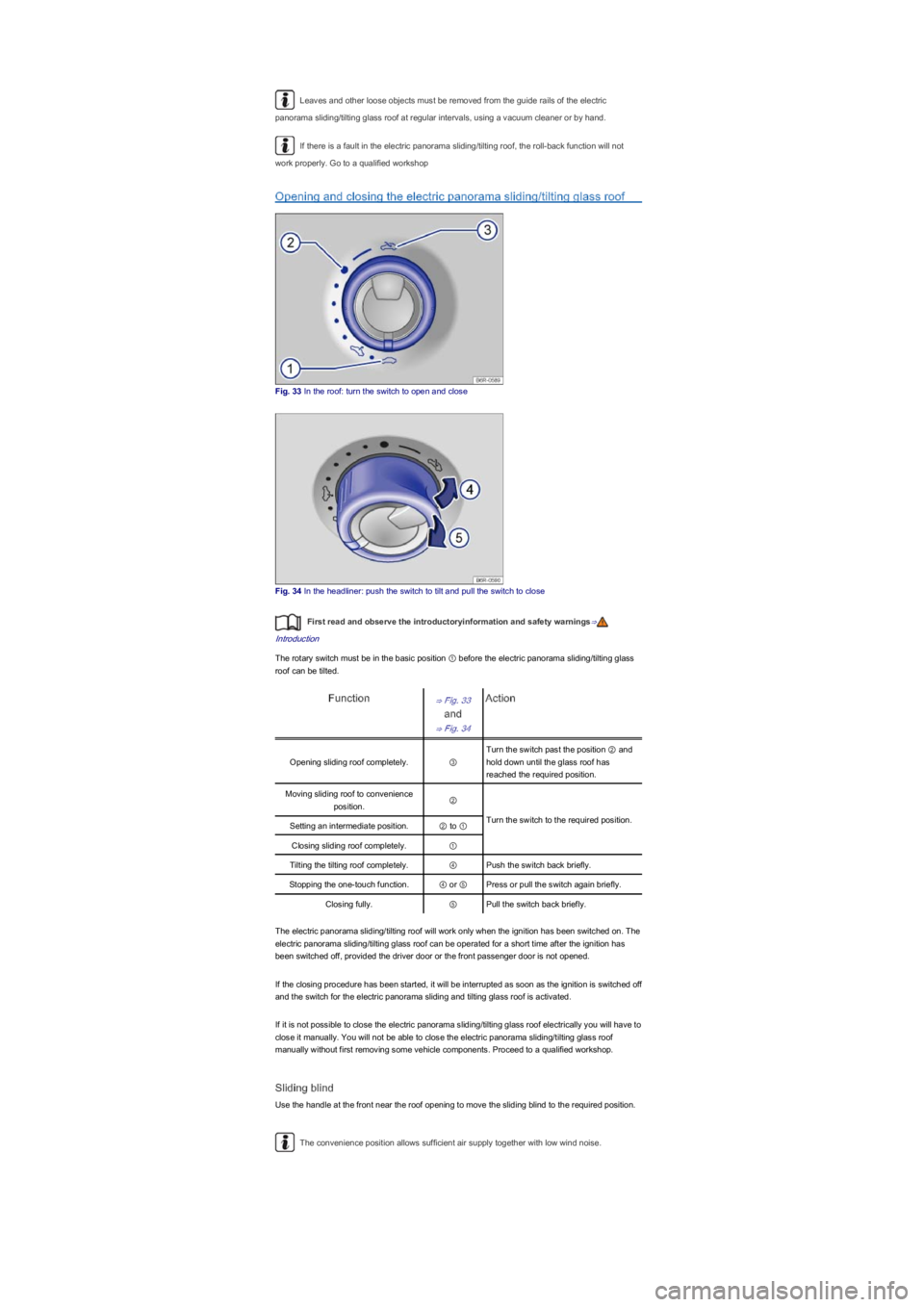
Fig. 33 In the roof: turn the switch to open and close
Fig. 34 In the headliner: push the switch to tilt and pull the switch to close
First read and observe the introductoryinformation and safety warnings⇒
Introduction
The rotary switch must be in the basic position ① before the electric panorama sliding/tilting glass
roof can be tilted.
Function⇒ Fig. 33
and
⇒ Fig. 34
Action
Opening sliding roof completely.③
Turn the switch past the position ② and
hold down until the glass roof has
reached the required position.
Moving sliding roof to convenience
position.②
Turn the switch to the required position.Setting an intermediate position.② to ①
Closing sliding roof completely.①
Tilting the tilting roof completely.④Push the switch back briefly.
Stopping the one-touch function.④ or ⑤Press or pull the switch again briefly.
Closing fully.⑤Pull the switch back briefly.
The electric panorama sliding/tilting roof will work only when the ignition has been switched on. The
electric panorama sliding/tilting glass roof can be operated for a short time after the ignition has
been switched off, provided the driver door or the front passenger door is not opened.
If the closing procedure has been started, it will be interrupted as soon as the ignition is switched off
and the switch for the electric panorama sliding and tilting glass roof is activated.
If it is not possible to close the electric panorama sliding/tilting glass roof electrically you will have to
close it manually. You will not be able to close the electric panorama sliding/tilting glass roof
manually without first removing some vehicle components. Proceed to a qualified workshop.
Sliding blind
Use the handle at the front near the roof opening to move the sliding blind to the required position.
The convenience position allows sufficient air supply together with low wind noise.
Page 34 of 211
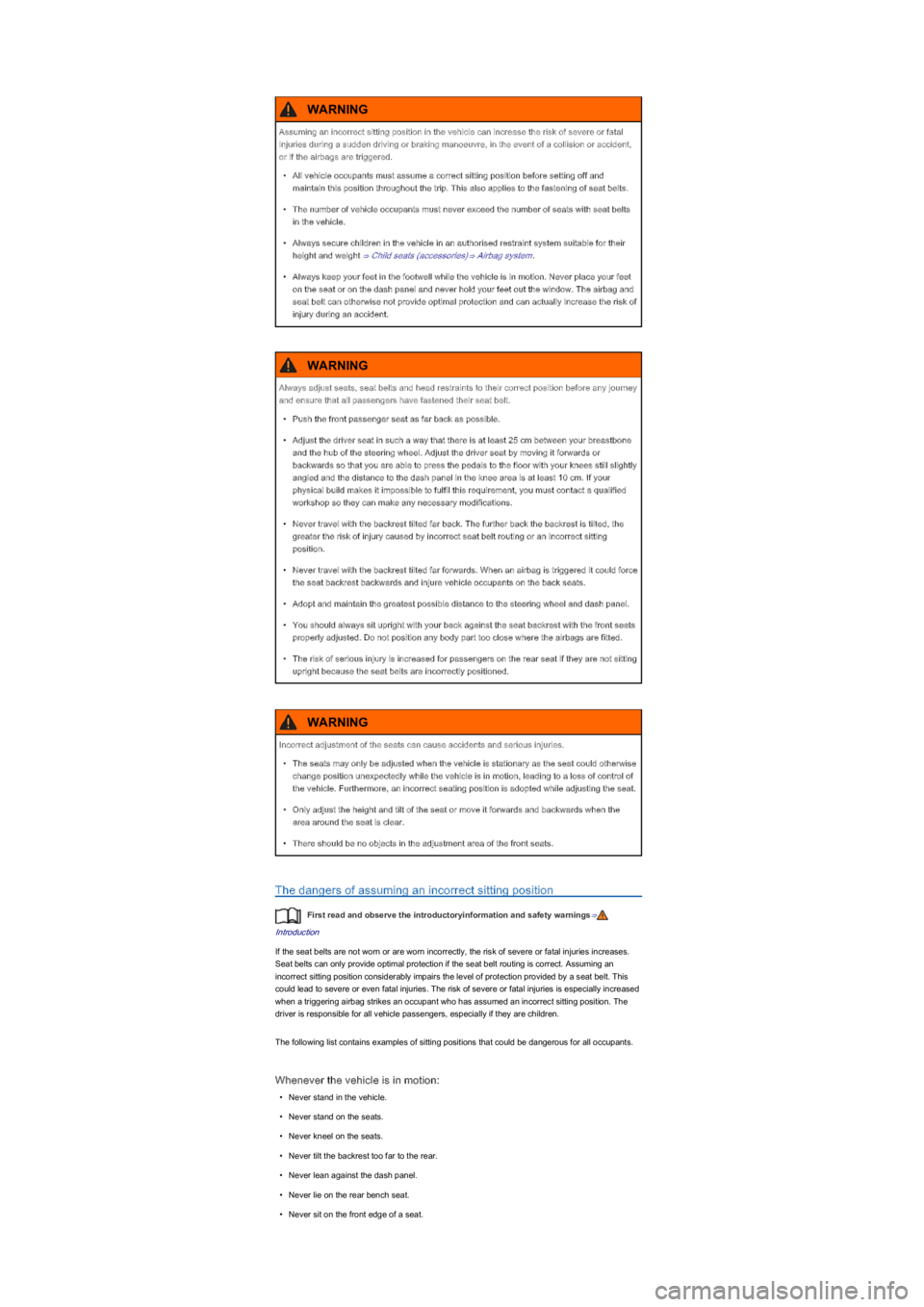
The dangers of assuming an incorrect sitting position
First read and observe the introductoryinformation and safety warnings⇒
Introduction
If the seat belts are not worn or are worn incorrectly, the risk of severe or fatal injuries increases.
Seat belts can only provide optimal protection if the seat belt routing is correct. Assuming an
incorrect sitting position considerably impairs the level of protection provided by a seat belt. This
could lead to severe or even fatal injuries. The risk of severe or fatal injuries is especially increased
when a triggering airbag strikes an occupant who has assumed an incorrect sitting position. The
driver is responsible for all vehicle passengers, especially if they are children.
The following list contains examples of sitting positions that could be dangerous for all occupants.
Whenever the vehicle is in motion:
\f
Page 43 of 211
Passengers not wearing seat belts are not connected to the vehicle. In the event of a frontal
collision they will continue to move forwards at the same speed at which the vehicle was travelling
before impact, until something stops them. Because the passengers in our example are not
restrained by seat belts, the entire amount of kinetic energy will only be released at the point of
impact against the wall ⇒ Fig. 45.
Even at speeds of approximately 30 km/h (18 mphyf�WR�DSSUR[LPDWHO\���bNP�K����bPSK\f, the forces
acting on bodies in a collision can easily exceed one tonne (1,000 kgyf��7KHVH�IRUFHV�DUH�HYHQ
greater at higher speeds.
This example applies not only to frontal collisions, but to all accidents and collisions.
What happens to vehicle occupants who have not fastened their seat
belts
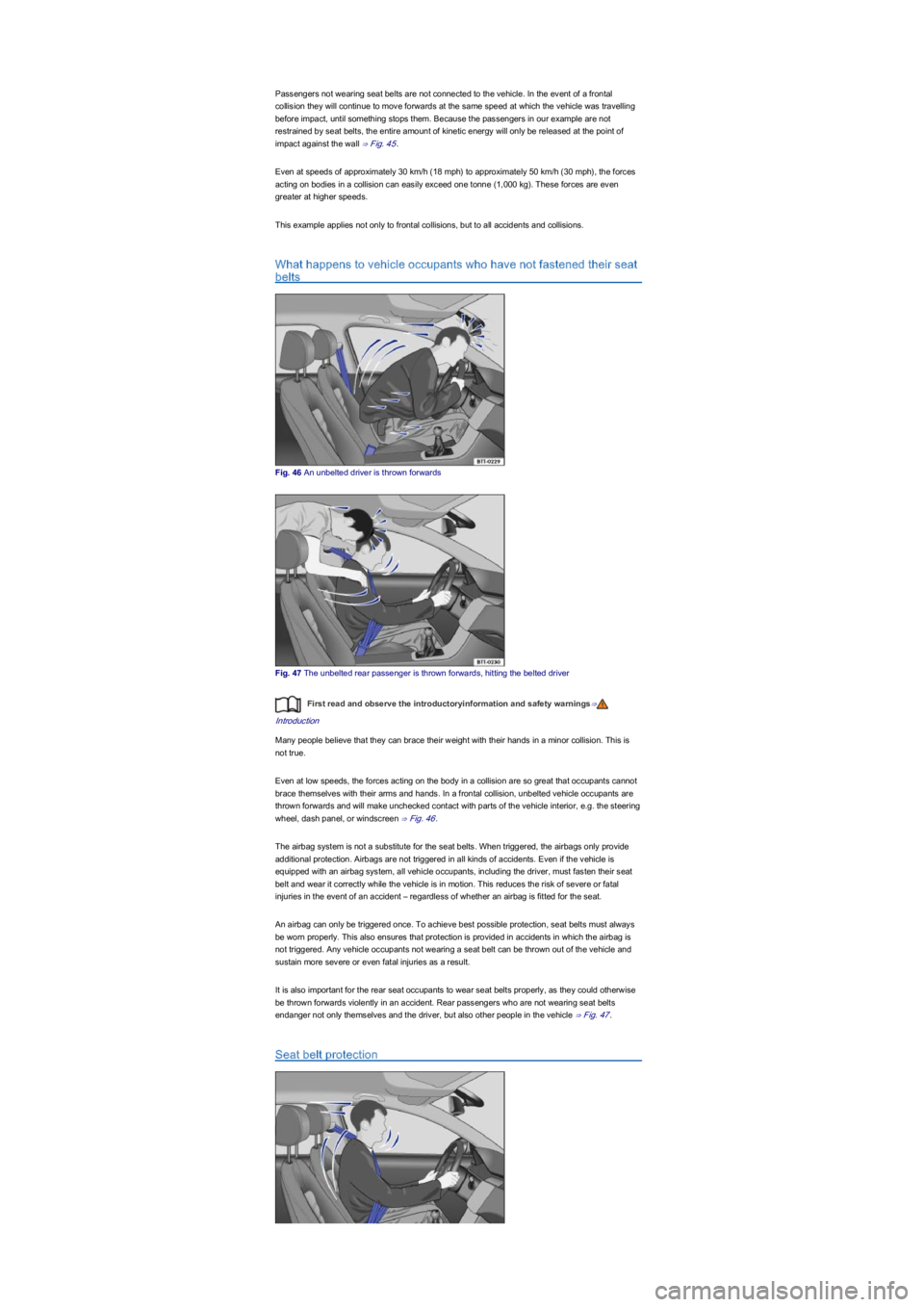
Fig. 46 An unbelted driver is thrown forwards
Fig. 47 The unbelted rear passenger is thrown forwards, hitting the belted driver
First read and observe the introductoryinformation and safety warnings⇒
Introduction
Many people believe that they can brace their weight with their hands in a minor collision. This is
not true.
Even at low speeds, the forces acting on the body in a collision are so great that occupants cannot
brace themselves with their arms and hands. In a frontal collision, unbelted vehicle occupants are
thrown forwards and will make unchecked contact with parts of the vehicle interior, e.g. the steering
wheel, dash panel, or windscreen ⇒ Fig. 46.
The airbag system is not a substitute for the seat belts. When triggered, the airbags only provide
additional protection. Airbags are not triggered in all kinds of accidents. Even if the vehicle is
equipped with an airbag system, all vehicle occupants, including the driver, must fasten their seat
belt and wear it correctly while the vehicle is in motion. This reduces the risk of severe or fatal
injuries in the event of an accident \f
Page 44 of 211
Check the condition of all seat belts regularly.
Keep the seat belts clean.
Never let any foreign bodies or fluids get on to the seat belt, the latch plate or into the slot
for the seat belt buckle.
Do not trap or damage the seat belt and latch plate, for example when closing the door.
Never remove, modify or repair the seat belt or any part of the belt fixture system.
Always fasten the seat belt correctly before every journey and keep it fastened while the
vehicle is in motion.
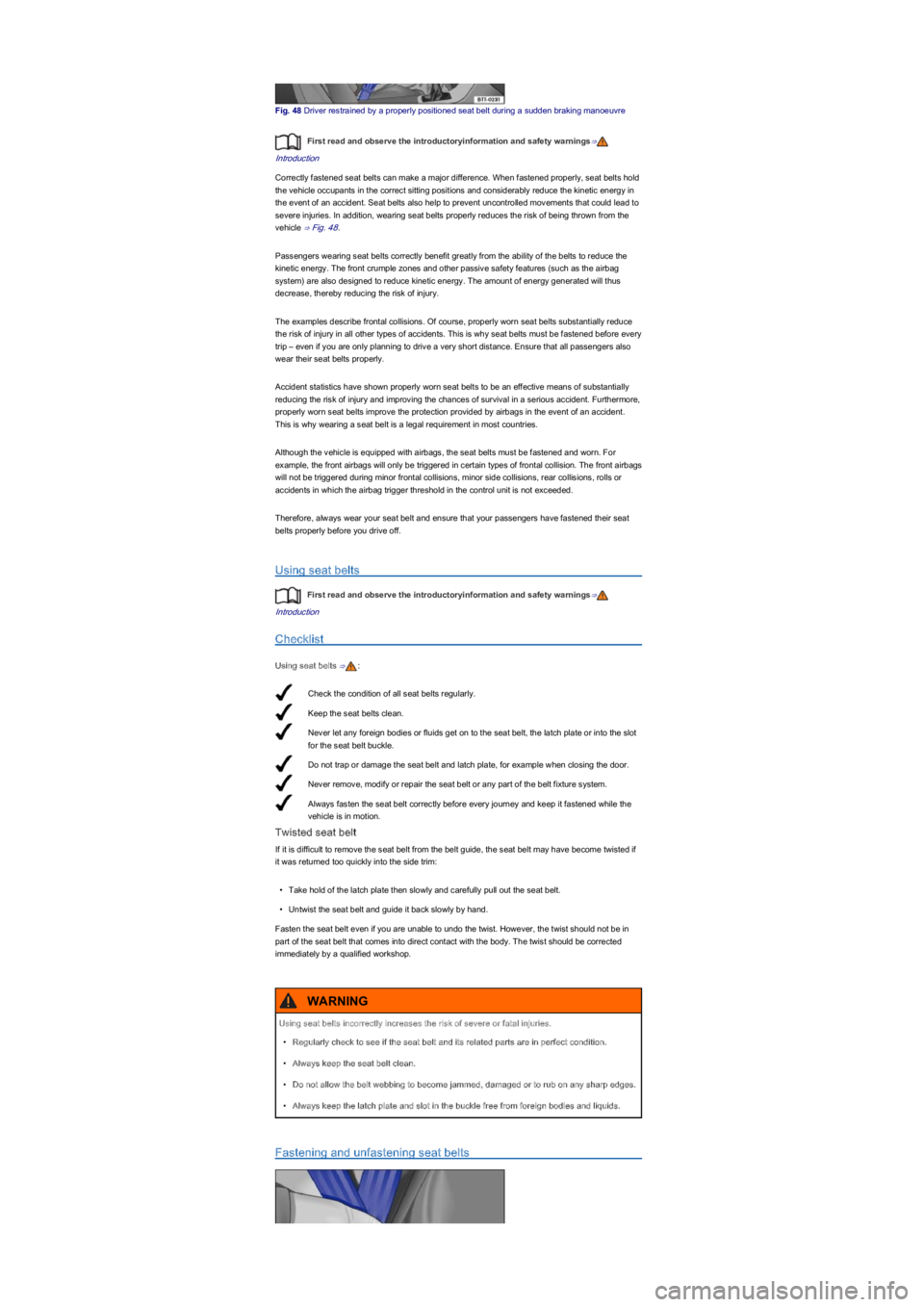
Fig. 48 Driver restrained by a properly positioned seat belt during a sudden braking manoeuvre
First read and observe the introductoryinformation and safety warnings⇒
Introduction
Correctly fastened seat belts can make a major difference. When fastened properly, seat belts hold
the vehicle occupants in the correct sitting positions and considerably reduce the kinetic energy in
the event of an accident. Seat belts also help to prevent uncontrolled movements that could lead to
severe injuries. In addition, wearing seat belts properly reduces the risk of being thrown from the
vehicle ⇒ Fig. 48.
Passengers wearing seat belts correctly benefit greatly from the ability of the belts to reduce the
kinetic energy. The front crumple zones and other passive safety features (such as the airbag
systemyf�DUH�DOVR�GHVLJQHG�WR�UHGXFH�NLQHWLF�HQHUJ\��7KH�DPRXQW�RI�HQHUJ\�JHQHUDWHG�ZLOO�WKXV
decrease, thereby reducing the risk of injury.
The examples describe frontal collisions. Of course, properly worn seat belts substantially reduce
the risk of injury in all other types of accidents. This is why seat belts must be fastened before every
trip \f
Page 46 of 211
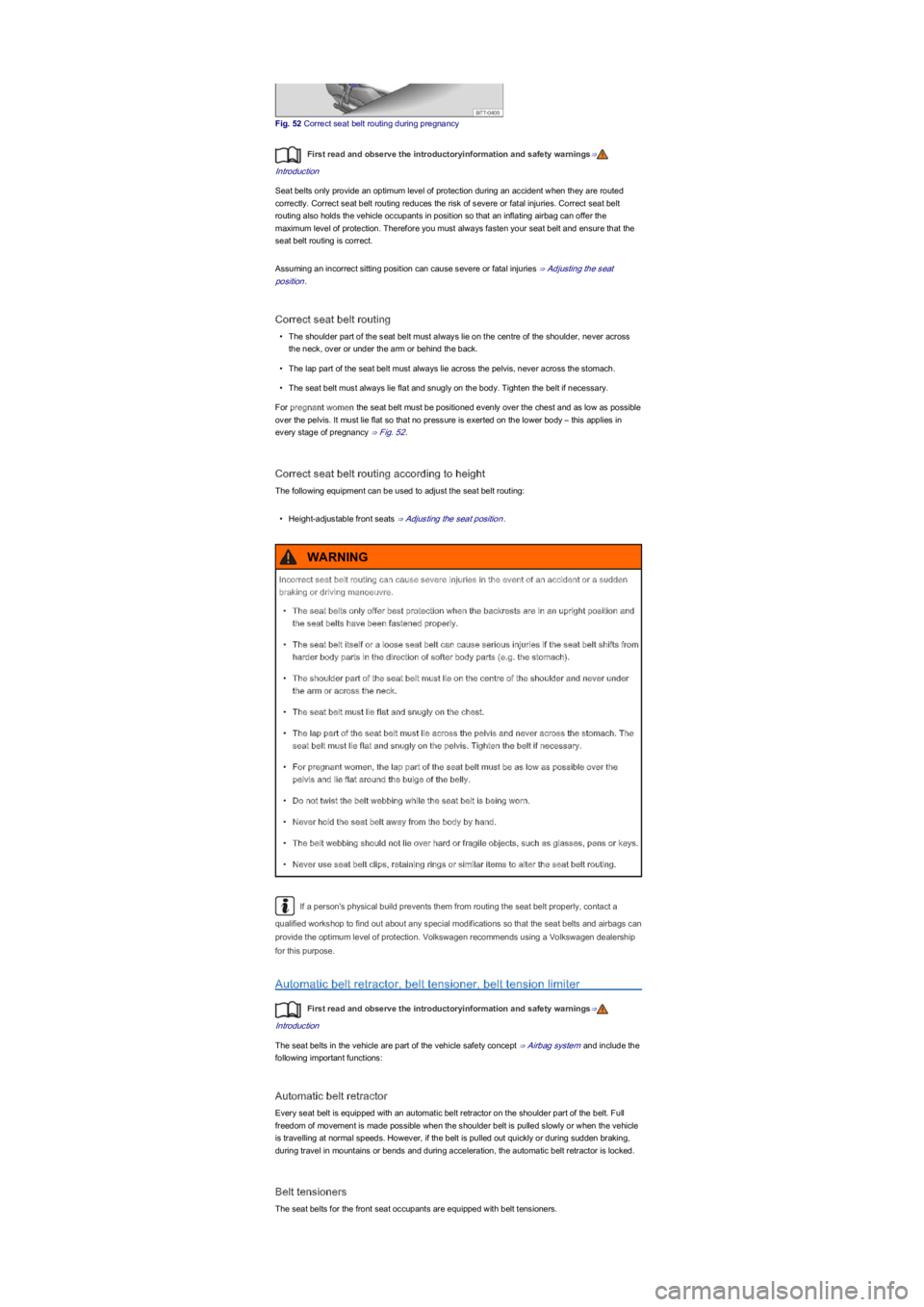
Fig. 52 Correct seat belt routing during pregnancy
First read and observe the introductoryinformation and safety warnings⇒
Introduction
Seat belts only provide an optimum level of protection during an accident when they are routed
correctly. Correct seat belt routing reduces the risk of severe or fatal injuries. Correct seat belt
routing also holds the vehicle occupants in position so that an inflating airbag can offer the
maximum level of protection. Therefore you must always fasten your seat belt and ensure that the
seat belt routing is correct.
Assuming an incorrect sitting position can cause severe or fatal injuries ⇒ Adjusting the seat
position.
Correct seat belt routing
\f
Page 47 of 211
The belt tensioners are activated by sensors during severe frontal, side and rear collisions. They
tighten the seat belts against the direction in which they are pulled. A loose seat belt is retracted,
which can reduce the forward movement or the movement of the vehicle occupants in the direction
of the impact. The belt tensioner works together with the airbag system. If the side airbags are not
activated, the belt tensioner will not be activated if the vehicle rolls over.
A fine dust may be produced when the airbags are triggered. This is quite normal and does not
mean that there is a fire in the vehicle.
Belt tension limiter
The belt tension limiter reduces the pressure exerted by the seat belt on the body during an
accident.
All safety requirements must be observed when the vehicle or components of the system are
scrapped. Qualified workshops are familiar with these requirements ⇒ Service and disposal of belt
tensioners.
Service and disposal of belt tensioners
First read and observe the introductoryinformation and safety warnings⇒
Introduction
Seat belts may become damaged during any work on the belt tensioners or while removing or
refitting any vehicle parts in conjunction with any other repair work. This damage will not always be
noticeable. The consequence may be that the belt tensioners could function incorrectly, or not
function at all, in the event of an accident.
Regulations must be observed to ensure that the effectiveness of the belt tensioner is not reduced
and that removed parts do not cause any injuries or environmental pollution. Qualified workshops
are familiar with these requirements.
The airbag modules and belt tensioners may contain perchlorate. Please comply with
legislation regarding disposal.
Airbag system
Introduction
This chapter contains information on the followingsubjects:
⇒ Types of front passenger front airbag system
⇒ Indicator lamps
⇒ Description and function of the airbags
⇒ Front airbags
⇒ Switching the front passenger front airbag on and off manually using the key-operated switch
⇒ Side airbags
The vehicle is equipped with a front airbag for the driver and front passenger. The front airbags can
provide front seat occupants with additional chest and head protection if the seat, seat belts, head
restraints and, in the case of the driver, steering wheel are adjusted and used correctly. Airbags are
meant only for additional protection. The airbags are not a substitute for seat belts. Seat belts must
always be worn, even when the front seats are equipped with front airbags.
Additional information and warnings:
\f
Page 48 of 211
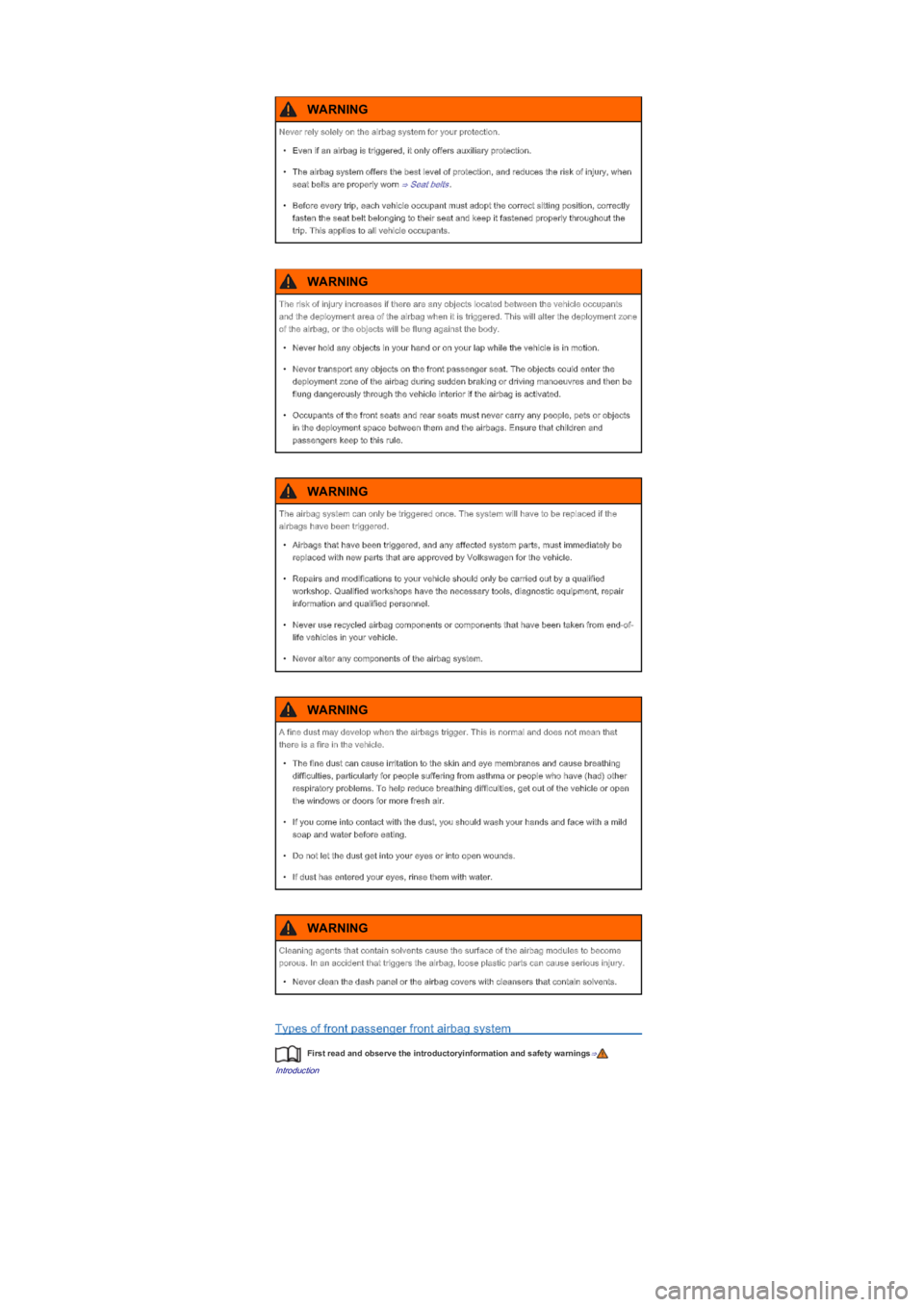
Types of front passenger front airbag system
First read and observe the introductoryinformation and safety warnings⇒
Introduction
Never rely solely on the airbag system for your protection.
\f
Page 49 of 211
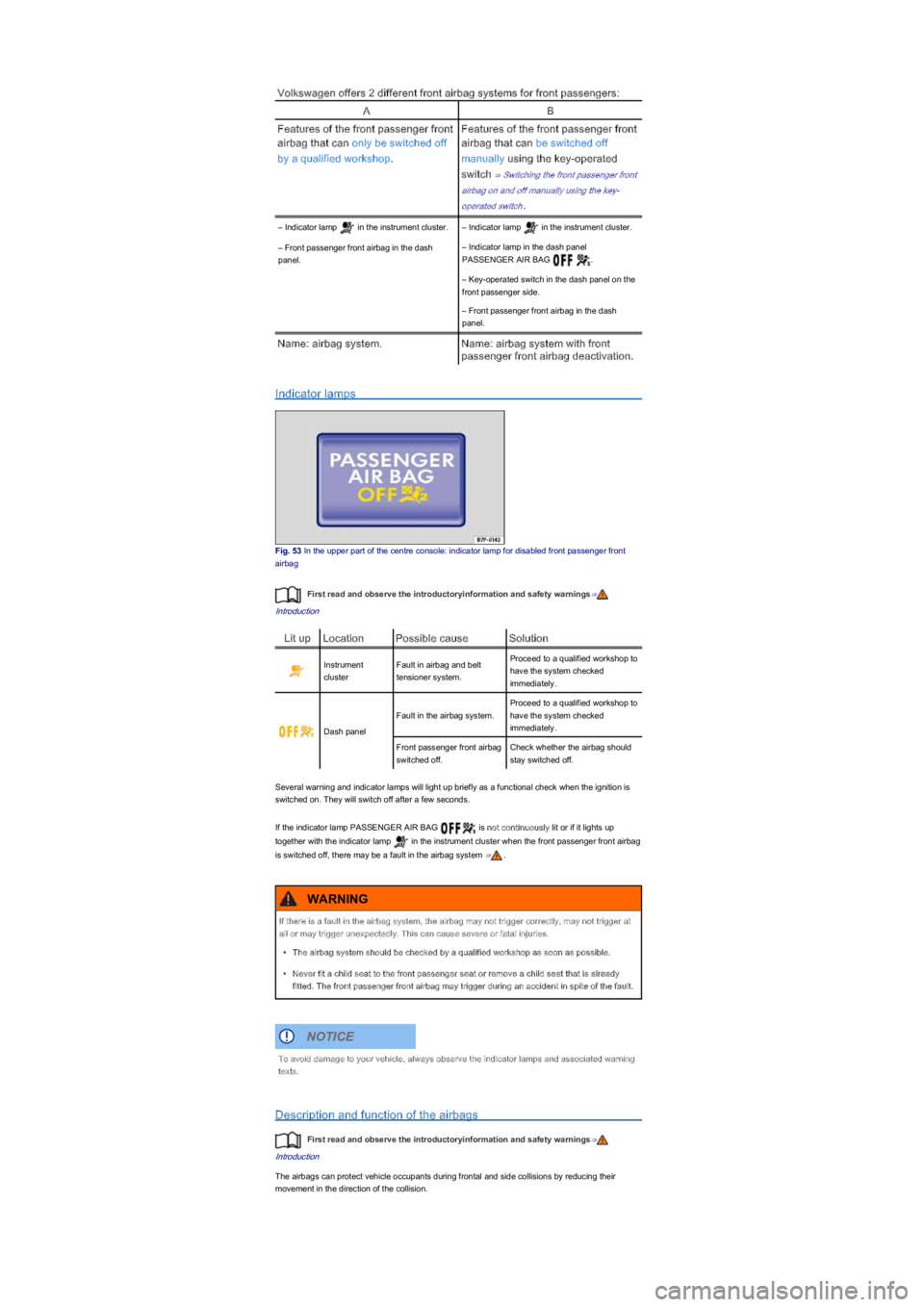
Volkswagen offers 2 different front airbag systems for front passengers:
AB
Features of the front passenger front
airbag that can only be switched off
by a qualified workshop.
Features of the front passenger front
airbag that can be switched off
manually using the key-operated
switch ⇒ Switching the front passenger front
airbag on and off manually using the key-
operated switch.
\f