Page 209 of 372
Moderate use of extra electrical loads
Comfort inside the vehicle is nice and important, but it is important to use them in an environmentally conscious manner.
Some devices can increase fuel consumption when activated (examples):
x Climate control system (air conditioner): If the air conditioner has to produce starkly contrasting temperatures, it requires a large amount of energy, which is generated by the engine. The temperature in the vehicle should therefore not be extremely different from that of the outside temperature. It may be helpful to ventilate the vehicle before driving and then to drive a short distance with the windows open. After that, switch on the air conditioner with the windows closed. Keep the windows closed when driving at high speeds. Open windows increase fuel consumption.
x Switch off seat heating once it has served its purpose.
x Switch off the rear window defroster as soon as the windows are free of fog and ice.
Additional factors that increase fuel consumption (examples):
x Malfunctioning engine control.
x Driving in the mountains.
NOTICE
Never let the vehicle coast or roll down a hill in Neutral (N), especially when the engine is not running. The transmission will not be lubricated and will be damaged.
See, Hybrid drive for additional tips on using your hybrid drive to help reduce fuel consumption.
Fuel-efficient driving
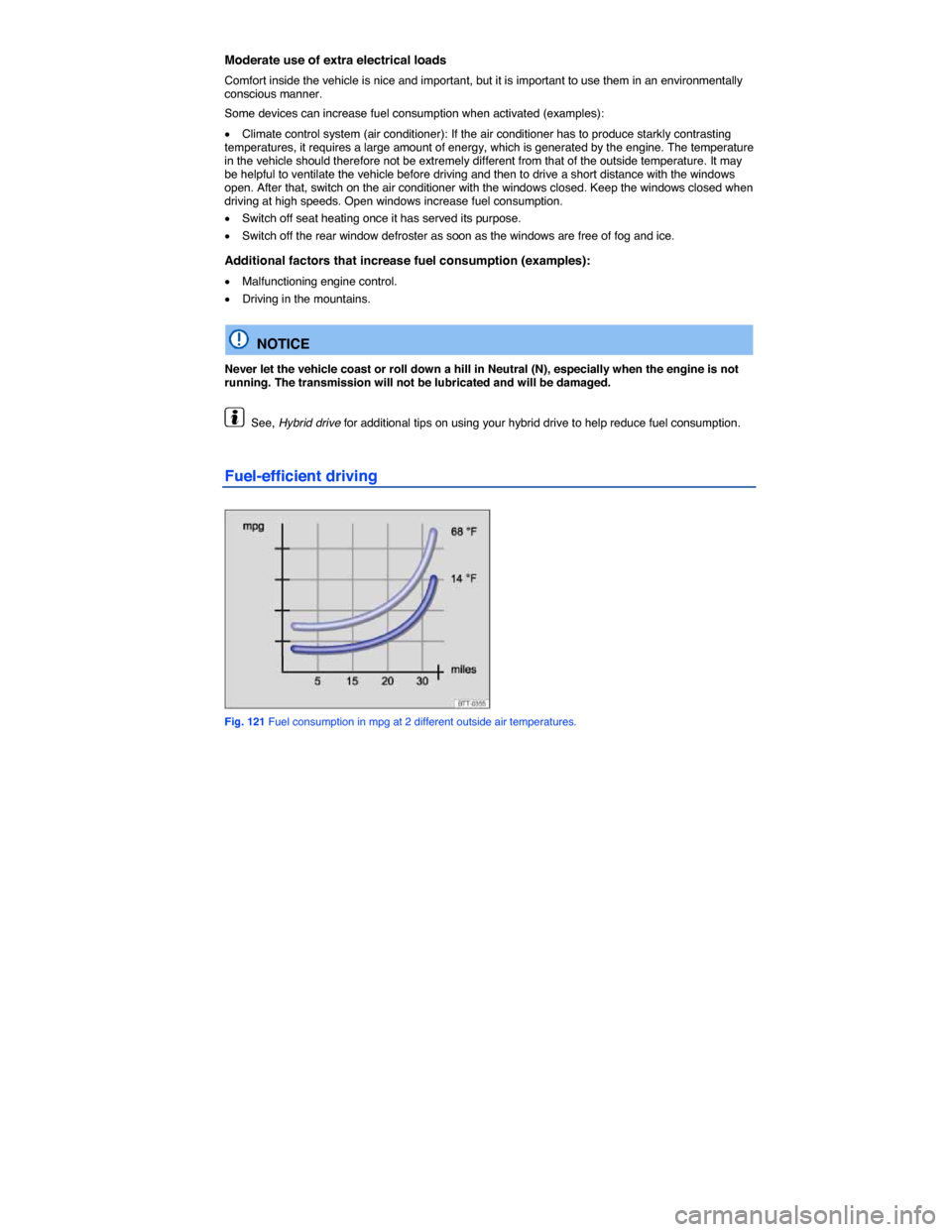
Fig. 121 Fuel consumption in mpg at 2 different outside air temperatures.
Page 214 of 372

WARNING
When powered by the electric motor, the vehicle makes much less noise, both when idling and driving, than when it is running on the internal combustion engine. It is much harder or even impossible for the drivers of other vehicles and above all for cyclists, pedestrians, and children to hear the vehicle when it is running on electrical power.
x Pedestrians and others can be struck and seriously injured because they cannot hear the vehicle and tell that it is getting close to them, for instance when you are parking, backing up, or driving in a low-speed zone where there is likely to be pedestrian traffic.
x Always watch out for pedestrians, especially small children, cyclists, and others who may not hear the vehicle or realize that it is about to move or will cross their path of travel.
x Always be especially careful in residential areas, school zones, and other places where the speed of motor vehicles is restricted and pedestrians may be at greater risk.
x Make sure the ignition and the hybrid drive system have both been turned off before leaving the vehicle.
WARNING
Never leave the vehicle when READY is displayed in the Instrument cluster or when hybrid drive system indicator lights are still lit. The vehicle can move if the accelerator is depressed even though the combustion engine has been stopped. This can cause accidents and severe or fatal injuries.
x Make sure the transmission is in Park (P) before you get out of the vehicle.
WARNING
Never support the vehicle with cinder blocks, bricks, or other objects to inspect it. The vehicle could slip or move suddenly and cause an accident with serious personal injury.
WARNING
Never let the hybrid battery get wet. Liquids and other fluids can cause short circuits, electrical shock, burns, and explosions.
x Never carry large amounts of liquids or other fluids in the luggage compartment.
x Always make sure that any containers with liquids and other fluids are properly secured and tightly closed to prevent leakage during normal driving as well as hard cornering, braking, and other vehicle maneuvers. Leaking liquids can get into the cover of the high-voltage battery and the high-voltage cable connections. This can damage the electrical system and the high-voltage battery.
Never drive until the fuel tank is completely empty. There may not always be enough charge in the high-voltage battery to get to the next gas station.
When outside temperatures are low, a cold high-voltage battery can affect how the combustion engine starts up and can also reduce the vehicle's range in electric drive.
Page 217 of 372
Driving situations Requirements and conditions Vehicle behavior
Driving in city traffic. – Select a moderate speed. Driving in fully electric mode at this level is possible with a constant speed of up to about 37 mph (60 km/h) on a flat road surface
– Avoid full acceleration. The fuel consumption is reduced with moderate acceleration due to higher efficiency of the combustion engine and driving in fully electric mode is possible.
– Careful use of the %
Page 219 of 372
switched off in this mode. Gentle start-ups (getting the vehicle going) and parking are also phases the electrical motor can often handle alone.
The combustion engine is started if you accelerate faster or if the charge level of the high-voltage battery gets too low. As soon as allowed by your acceleration and the high-voltage battery charge level, the vehicle switches back to electrical motor drive.
Use the following indicators to tell when the vehicle is being powered electrically:
x Instrument cluster display.
x Infotainment System screen.
Extended electro-mode drive (EÊMODE)
By pressing the %
Page 220 of 372
Sailing
If the accelerator is not depressed and the lever is in position D, the combustion engine is switched off, even at higher speeds. The vehicle then decelerates slower than conventional vehicles. This feature can be used to help reduce fuel consumption when you keep traffic conditions in mind and can anticipate the vehicle's power requirements. The instrument cluster powermeter shows zero.
Brake energy regeneration (Recuperation/charge)
When the vehicle brakes, the electrical energy is generated by the electric motor, which works as an alternator and charges the high-voltage battery. The same thing occurs while the vehicle is coasting to a stop or driving downhill.
Energy regeneration is shown in the instrument cluster display or on the Infotainment System screen. The combustion engine may be switched off automatically in this situation. The instrument cluster powermeter registers below zero.
When the high voltage battery is fully charged, there is no brake energy recuperation, and therefore no engine braking. Recuperation and engine braking are also automatically reduced if the vehicle detects that the road conditions do not permit sufficient contact between the wheels and the road surface.
Automatic starting - combustion engine
The combustion engine is started automatically in a number of situations.
x Engine temperature is too low.
x Catalytic converter temperature is too low.
x The high-voltage battery requires recharging.
x High-voltage battery is being charged at high rate when decelerating. The high-voltage battery cannot absorb any more energy and for this reason the electric motor cannot brake the vehicle. The combustion engine comes on to help slow the vehicle down (engine brake).
x Engine hood is open.
x Leaving the vehicle when the electric motor is still “live”. The status of the electric motor is not always obvious, particularly when the combustion engine is not running. The combustion engine will therefore start if the driver's safety belt is unlatched or the driver's door is opened when the transmission is in Park (P) or Neutral (N), Warning when leaving the vehicle.
Energy flow display
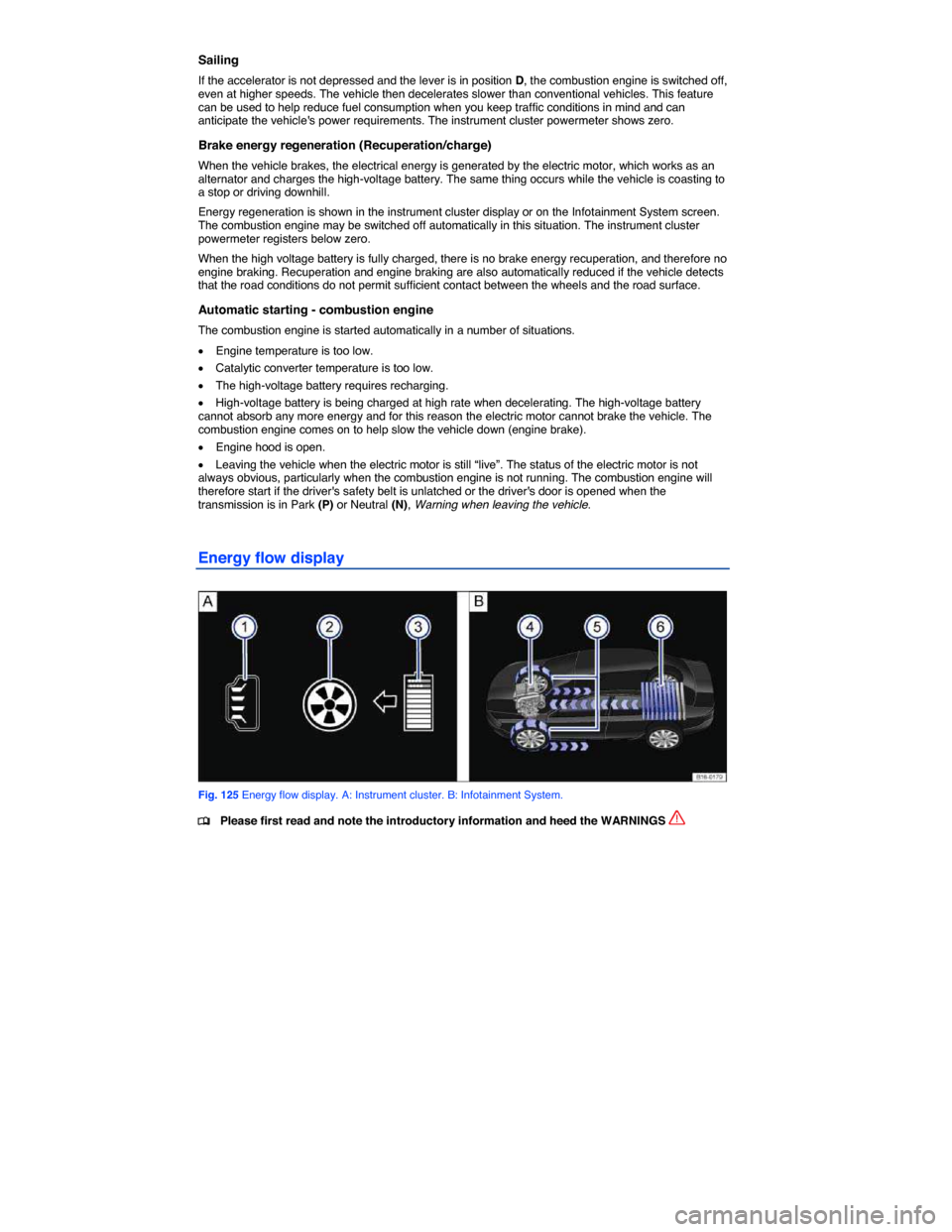
Fig. 125 Energy flow display. A: Instrument cluster. B: Infotainment System.
Page 221 of 372
Hybrid drive energy flow is shown with symbols and arrows in the instrument cluster display (MFI) and on the Infotainment System screen. The displays let you know whether the electric motor or the engine is active while driving.
Explanation of the symbols that appear in the energy flow display when the vehicle is not moving
⇒ fig. 125:
(1) Symbol for combustion engine in the instrument cluster display
(2) Symbol for vehicle drive in the instrument cluster display
(3) Symbol for high-voltage battery in the instrument cluster display
(4) Symbol for combustion engine on the Infotainment System screen.
(5) Symbol for vehicle drive on the Infotainment System screen.
(6) Symbol for high-voltage battery on the Infotainment System screen.
Color codes
Color Infotainment System screen
Orange Energy flow from combustion engine (combustion engine drive).
Blue Energy flow from the high-voltage battery (electrical motor drive).
Energy flow to the high-voltage battery (battery charge).
Green Power regeneration through deceleration or braking (recuperation).
High-voltage battery
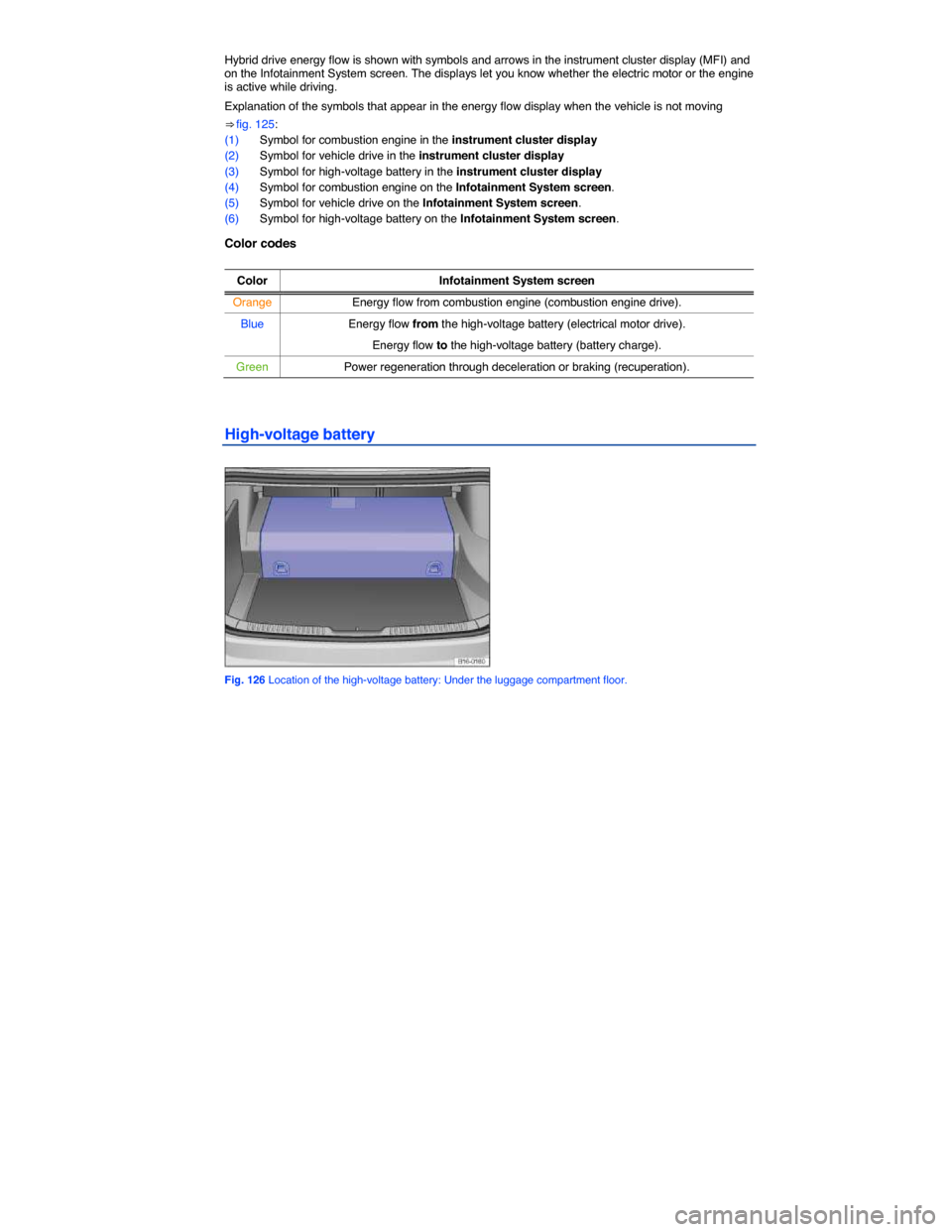
Fig. 126 Location of the high-voltage battery: Under the luggage compartment floor.
Page 223 of 372
NOTICE
x Failure to heed warning lights or text WARNINGS can result in vehicle damage.
x If the 12 Volt battery is disconnected or dead or has been replaced, there is a possibility that the combustion engine will not automatically switch off when the vehicle is powered by the electric motor. If this situation persists for several days, take the vehicle to an authorized Volkswagen dealer or an authorized Volkswagen Service Facility that is qualified to do work on hybrid vehicles.
x Never transport water or other liquids or fluids in open containers, such as an aquarium. If liquid is spilled in the luggage compartment, this can cause short circuits or damage the high-voltage battery.
NOTICE
Never block or cover the cooling air vents for the high-voltage hybrid battery under the rear seat. Blocking or covering these vents can damage the high-voltage battery.
NOTICE
If the vehicle is not used for a longer period, the high-voltage battery will run down. To keep the high-voltage battery in good condition, the vehicle needs to be driven at least every 2 months for at least 30 minutes or 15 miles (20 km).
x If the high-voltage battery is dead, the gasoline engine will not start. Contact an authorized Volkswagen dealer, an authorized Volkswagen Service Facility, or another qualified workshop for assistance.
Special considerations for hybrid vehicles
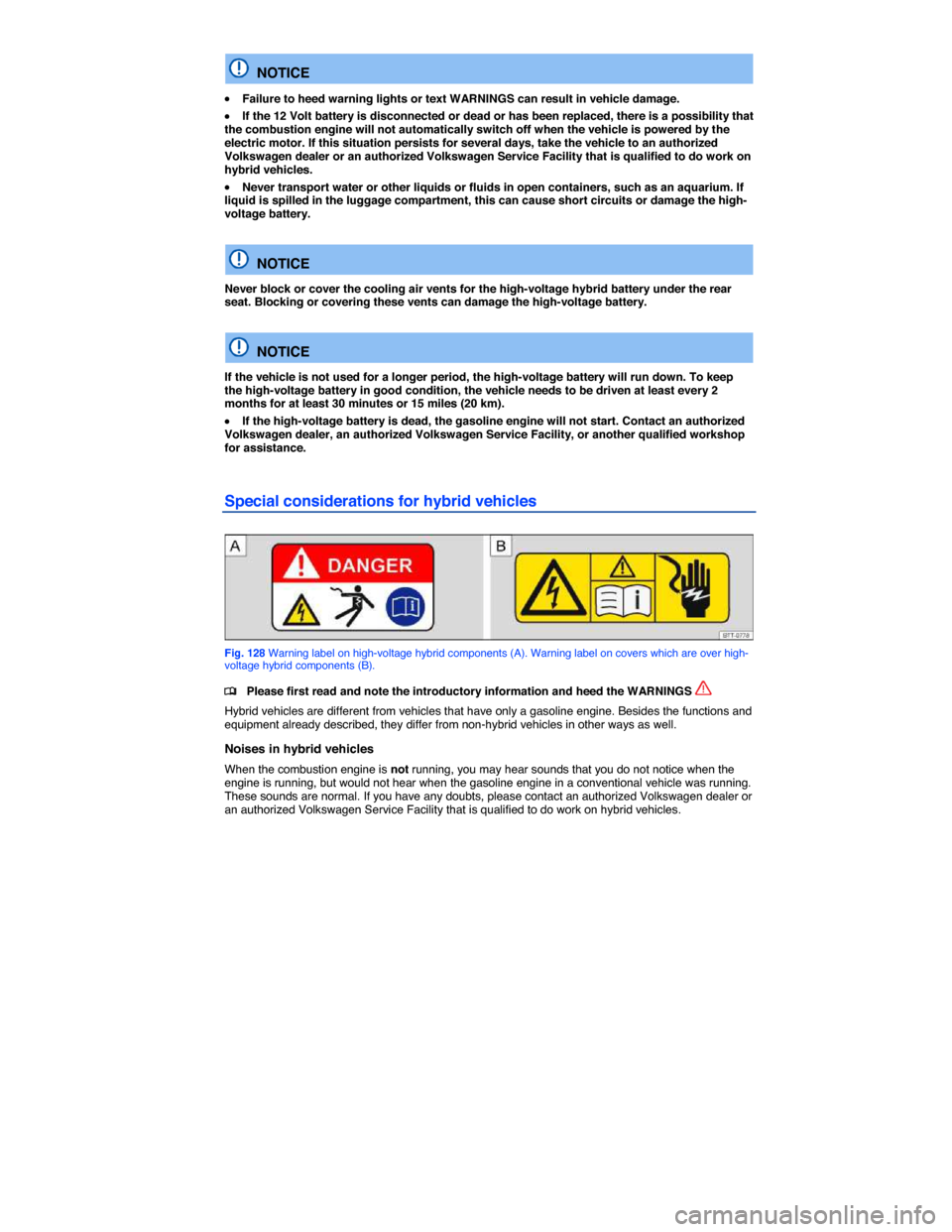
Fig. 128 Warning label on high-voltage hybrid components (A). Warning label on covers which are over high-voltage hybrid components (B).
Page 224 of 372
Jump-starting
If the 12 Volt electrical system is not working because the 12 Volt vehicle battery is dead, the hybrid
vehicle can be jump-started like a conventional vehicle ⇒ page 422, Jump-starting. For this purpose, the vehicle has a jump start terminal in the engine compartment. You must open the fuse box cover in
the engine compartment to get to the jump-start terminal ⇒ page 403, Fuses.
Hybrid warning labels
There are additional warning labels that warn against touching hybrid system components. The warning labels are placed:
x On each high-voltage component, for example, in the engine compartment or underneath the
luggage compartment ⇒ fig. 128 A.
x In the engine compartment on the hood latch carrier B.
For procedures regarding stickers and labels, Important vehicle labels.