2012 VOLKSWAGEN UP! filling the tank
[x] Cancel search: filling the tankPage 8 of 211

SymbolMeaning ⇒See
Do not drive on!
The electromechanical steering is faulty or not working.
Driver or front passenger seat belt not fastened.
⇒ Seat belts
There are objects on the front passenger seat.
Fault in the alternator.⇒ Vehicle battery
Vehicles with start/stop system: manual engine start
required.
⇒ Pull-away assist
systems
Fault in the automated manual gearbox.⇒ Changing gear
Lit up: there is a fault in the ESC, or it has been switched of
for system-related reasons
OR: together with the ABS indicator lamp : ABS fault.
OR: the vehicle battery has been reconnected.
⇒ Braking, stopping
and parking
Flashing: ESC/TCS is taking corrective action.
Lit up: Traction Control fault or switched off for system-
related reasons.
Flashes: Traction Control active.
ABS faulty or not functioning.
The rear fog light is switched on.⇒ Lights
Lit up or flashing: catalytic converter fault.⇒ Engine
management
system and exhaust
purification system
Engine management system fault (Electronic Power
Controlyf.
Electromechanical steering function reduced.⇒ Steering
Petrol tank nearly empty.⇒ Filling the tank
Natural gas tank nearly empty.⇒ Filling the tank
Fault in airbag and belt tensioner system.⇒ Airbag system
Automated manual gearbox overheated, or the gears
cannot be selected correctly.⇒ Changing gear
Flashing: vehicle with an automated manual gearbox is not
secured from rolling away.
Changing gear
⇒ Changing gear
Braking, stopping
and parking
⇒ Braking, stopping
and parking
Turn signal left or right.⇒ Lights
Hazard warning lights switched on.⇒ In an emergency
Cruise control system is controlling the speed.⇒ Cruise control
system (CCSyf
Depress the brake pedal.
Changing gear
⇒ Changing gear
Braking, stopping
and parking
⇒ Braking, stopping
and parking
Main beam is switched on or the headlight flasher is being
operated.⇒ Lights
Engine coolant temperature is too low in vehicles with
natural gas engine.⇒ Coolant
Seat belt fastened for a rear seat passenger.
⇒ Seat belts
Seat belt not fastened for a rear seat passenger.
Immobilizer active.⇒ Starting and
stopping the engine
After switching on the ignition: Display to indicate that a
service is due soon.
⇒ Instruments
Black ice warning. The outside temperature is below
+4°C (+39°Fyf.
Flashing quickly: City emergency brake function braking
automatically or has braked automatically.
⇒ City emergency
brake function
Flashing slowly: City emergency brake function currently
not available.
City emergency brake function has been switched on
manually. Switches off after approx. 5 seconds.
City emergency brake function has been switched off
manually.
Lit up: start/stop system is available.
Flashing: start/stop system is not available.⇒ Pull-away assist
systemsStart/stop system is available, but an automatic engine stop
is not possible.
Page 9 of 211
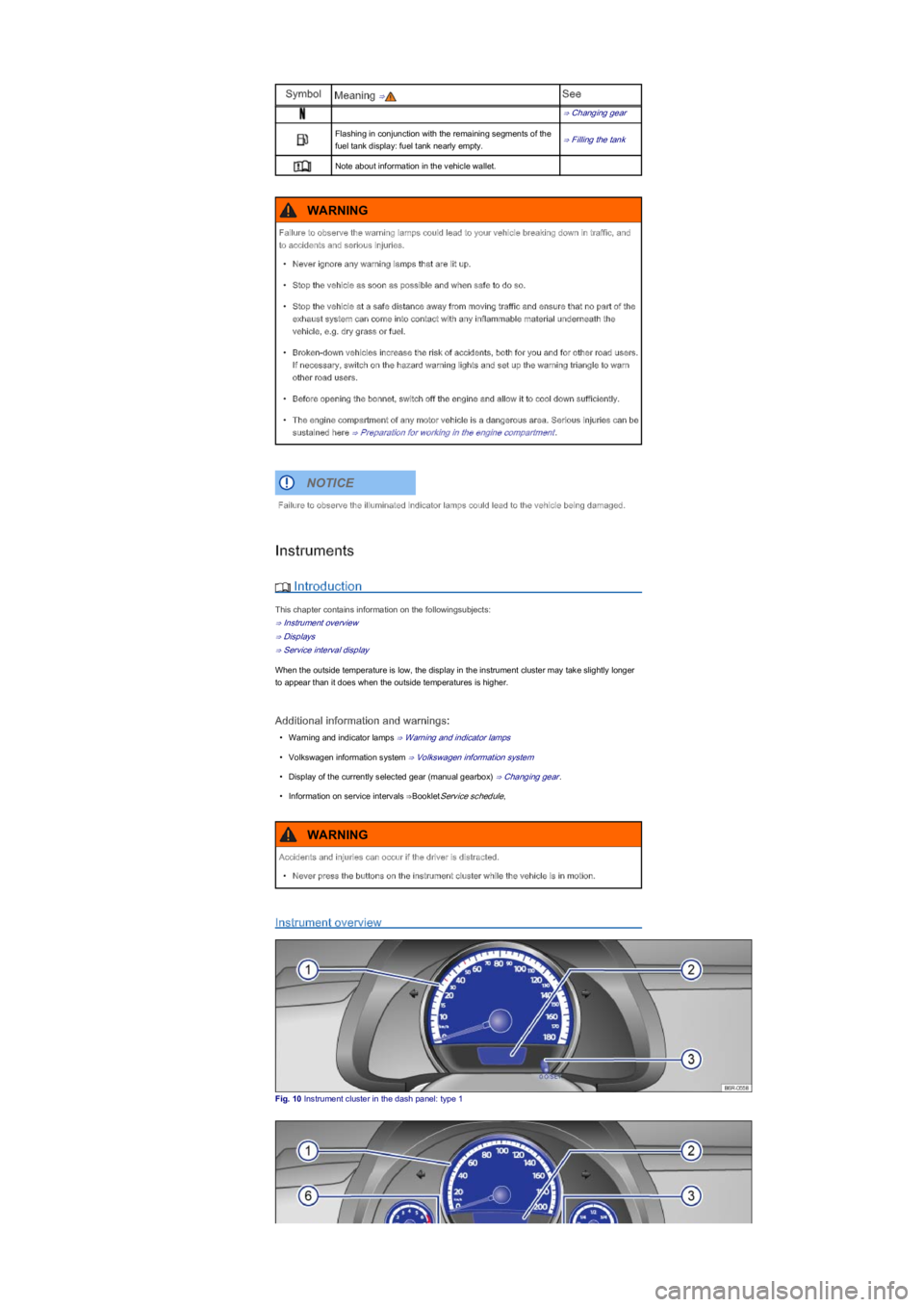
SymbolMeaning ⇒See
⇒ Changing gear
Flashing in conjunction with the remaining segments of the
fuel tank display: fuel tank nearly empty.⇒ Filling the tank
Note about information in the vehicle wallet.
Instruments
Introduction
This chapter contains information on the followingsubjects:
⇒ Instrument overview
⇒ Displays
⇒ Service interval display
When the outside temperature is low, the display in the instrument cluster may take slightly longer
to appear than it does when the outside temperatures is higher.
Additional information and warnings:
\f
Page 10 of 211
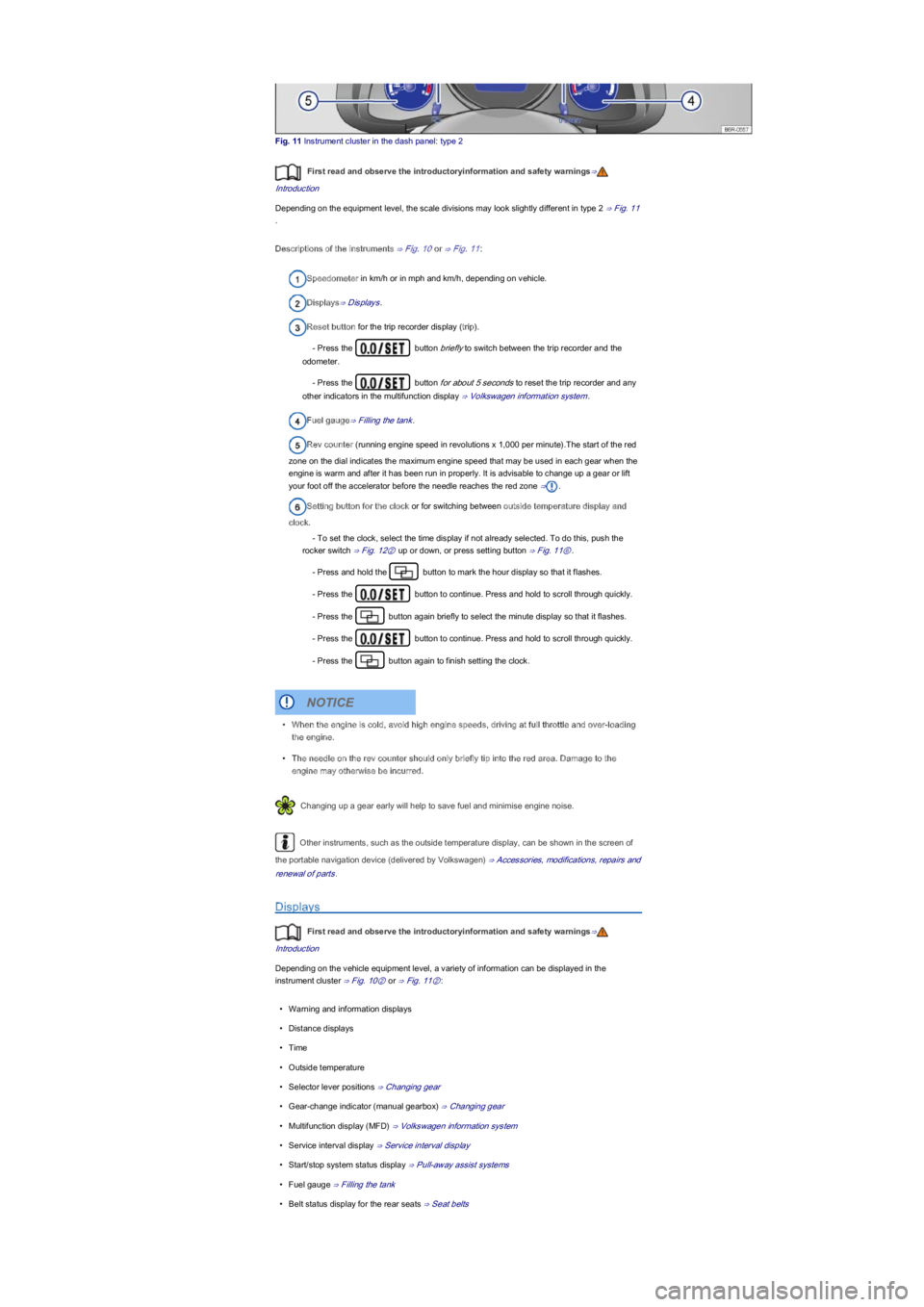
Fig. 11 Instrument cluster in the dash panel: type 2
First read and observe the introductoryinformation and safety warnings⇒
Introduction
Depending on the equipment level, the scale divisions may look slightly different in type 2 ⇒ Fig. 11
.
Descriptions of the instruments ⇒ Fig. 10 or ⇒ Fig. 11:
Speedometer in km/h or in mph and km/h, depending on vehicle.
Displays⇒ Displays.
Reset button for the trip recorder display (tripyf.
- Press the button briefly to switch between the trip recorder and the
odometer.
- Press the button for about 5 seconds to reset the trip recorder and any
other indicators in the multifunction display ⇒ Volkswagen information system.
Fuel gauge⇒ Filling the tank.
Rev counter (running engine speed in revolutions x 1,000 per minuteyf.The start of the red
zone on the dial indicates the maximum engine speed that may be used in each gear when the
engine is warm and after it has been run in properly. It is advisable to change up a gear or lift
your foot off the accelerator before the needle reaches the red zone ⇒.
Setting button for the clock or for switching between outside temperature display and
clock.
- To set the clock, select the time display if not already selected. To do this, push the
rocker switch ⇒ Fig. 12② up or down, or press setting button ⇒ Fig. 11⑥.
- Press and hold the button to mark the hour display so that it flashes.
- Press the button to continue. Press and hold to scroll through quickly.
- Press the button again briefly to select the minute display so that it flashes.
- Press the button to continue. Press and hold to scroll through quickly.
- Press the button again to finish setting the clock.
Changing up a gear early will help to save fuel and minimise engine noise.
Other instruments, such as the outside temperature display, can be shown in the screen of
the portable navigation device (delivered by Volkswagenyf ⇒ Accessories, modifications, repairs and
renewal of parts.
Displays
First read and observe the introductoryinformation and safety warnings⇒
Introduction
Depending on the vehicle equipment level, a variety of information can be displayed in the
instrument cluster ⇒ Fig. 10② or ⇒ Fig. 11②:
\f
Page 126 of 211

Fig. 115 In the instrument cluster: variant A: fuel gauge for petrol, variant B: fuel gauge for petrol
Fig. 116 In the instrument cluster display: fuel gauge for petrol
First read and observe the introductoryinformation and safety warnings⇒
Introduction
The fuel gauge can vary according to the vehicle equipment level ⇒ Fig. 115 or ⇒ Fig. 116.
Lit upNeedle position
⇒ Fig. 115
Possible cause ⇒Solution
Red marking ①
Fuel tank nearly empty.
Reserve quantity is being used
⇒ Capacities.
Fill the tank with petrol
as soon as possible ⇒
.
Blue marking ②
Natural gas fuel tank nearly
empty.
Reserve quantity is being used.
Refuel with natural gas
as soon as possible ⇒
.
Flashes for
approximately
10 seconds
Position of the
bar ⇒ Fig. 116
Possible cause ⇒Solution
Reserve fuel
marking flashes for
approximately 10
seconds (four small
segmentsyf
Fuel tank nearly empty.
Reserve quantity is being used
⇒ Capacities.
Fill the tank as soon as
possible ⇒.
Several warning and indicator lamps will light up briefly as a functional check when the ignition is
switched on. They will switch off after a few seconds.
Natural gas engines
Things to note: if the vehicle is parked for an extended period directly after refuelling, it may well
occur that the pointer for the natural gas engine does not indicate the fuel level shown directly after
refuelling. This does not mean that there is a leak in the system but but rather that, for technical
reasons the pressure has been decreased in the natural gas tank.
The small arrow next to the petrol pump symbol ⇒ Fig. 115 in the display instrument shows
you the side of the vehicle on which the tank flap is located.
Only applies for vehicles with a fuel gauge in the instrument cluster ⇒ Fig. 115.
Only applies for vehicles with a fuel gauge in the instrument cluster display ⇒ Fig. 116.
Filling the tank with petrol
ayf
byf
Driving the vehicle when the fuel level is too low could lead to your vehicle breaking down in
traffic, accidents and serious injuries.
\f
Page 127 of 211
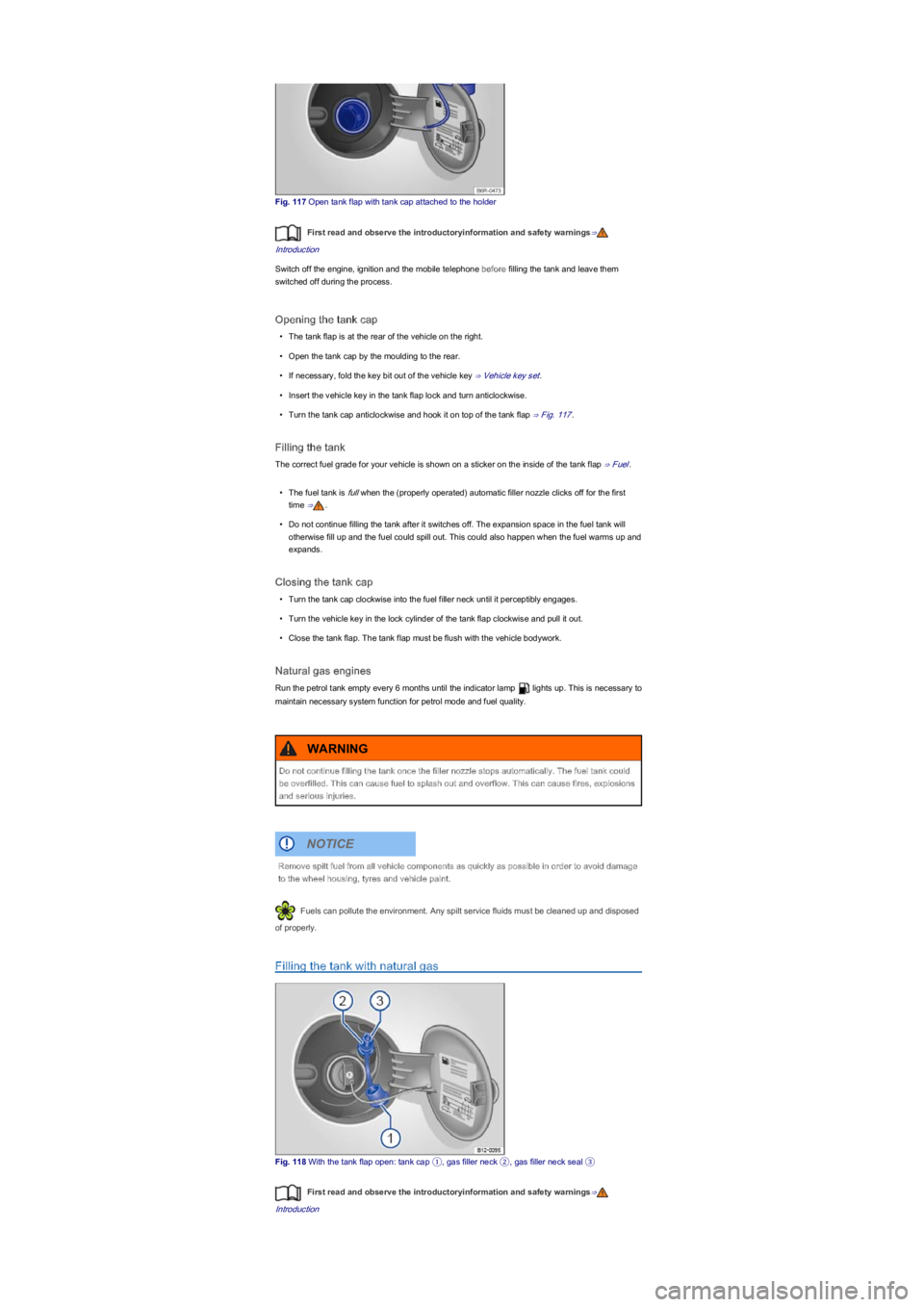
Fig. 117 Open tank flap with tank cap attached to the holder
First read and observe the introductoryinformation and safety warnings⇒
Introduction
Switch off the engine, ignition and the mobile telephone before filling the tank and leave them
switched off during the process.
Opening the tank cap
\f
Page 128 of 211
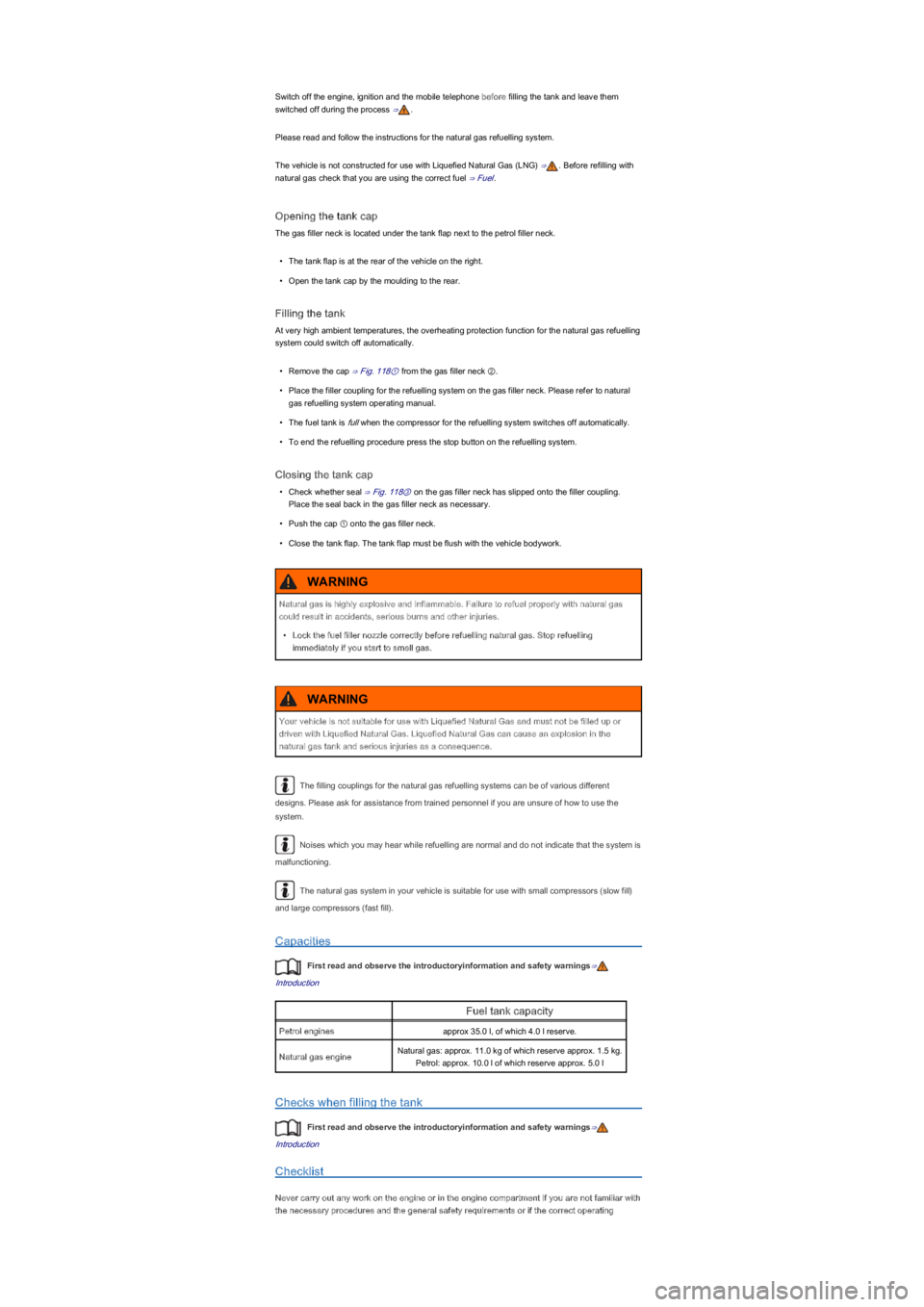
Switch off the engine, ignition and the mobile telephone before filling the tank and leave them
switched off during the process ⇒.
Please read and follow the instructions for the natural gas refuelling system.
The vehicle is not constructed for use with Liquefied Natural Gas (LNGyf ⇒. Before refilling with
natural gas check that you are using the correct fuel ⇒ Fuel.
Opening the tank cap
The gas filler neck is located under the tank flap next to the petrol filler neck.
\f
Page 140 of 211

Coolant and coolant additives can pollute the environment. Spilt operating fluids must be
collected and disposed of properly and with respect for the environment.
Checking the coolant level and refilling coolant
Fig. 123 In the engine compartment: marking on the coolant expansion tank
Fig. 124 In the engine compartment: coolant expansion tank cap
First read and observe the introductoryinformation and safety warnings⇒
Introduction
The warning lamp for the engine coolant will light up if the engine coolant level is too low.
Preparation
\f