2003 CHRYSLER CARAVAN tire pressure
[x] Cancel search: tire pressurePage 1724 of 2177
TIRES
DESCRIPTION
DESCRIPTION - TIRE
Tires are designed and engineered for each specific
vehicle. They provide the best overall performance
for normal operation. The ride and handling charac-
teristics match the vehicle's requirements. With
proper care they will give excellent reliability, trac-
tion, skid resistance, and tread life.
Driving habits have more effect on tire life than
any other factor. Careful drivers will obtain, in most
cases, much greater mileage than severe use or care-
less drivers. A few of the driving habits which will
shorten the life of any tire are:
²Rapid acceleration
²Severe application of brakes
²High-speed driving
²Taking turns at excessive speeds
²Striking curbs and other obstacles
²Operating vehicle with over or under inflated
tire pressures
Radial ply tires are more prone to irregular tread
wear. It is important to follow the tire rotation inter-
val shown in the section on Tire Rotation. This will
help to achieve a greater tread-life potential.
TIRE IDENTIFICATION
Tire type, size, load index and speed rating are
encoded in the letters and numbers imprinted on the
side wall of the tire. Refer to the Tire Identification
chart to decipher the code. For example purposes, the
tire size P225/60 R 16 97 T is used in the chart. An
All Season type tire will also have eitherM+S,M&
SorM-S(indicating mud and snow traction)
imprinted on the side wall. An Extra or Light Load
marking ªXLº or ªLLº may also be listed on the side-
wall. The absence of an ªXLº or ªLLº marking infers
a standard load tire.
TIRE IDENTIFICATION
PTIRE TYPE (Not
present on all tires)P - Passenger
T - Temporary
C - Commercial
LT - Light Truck
225SECTIONAL WIDTHSHOWN IN
MILLIMETERS
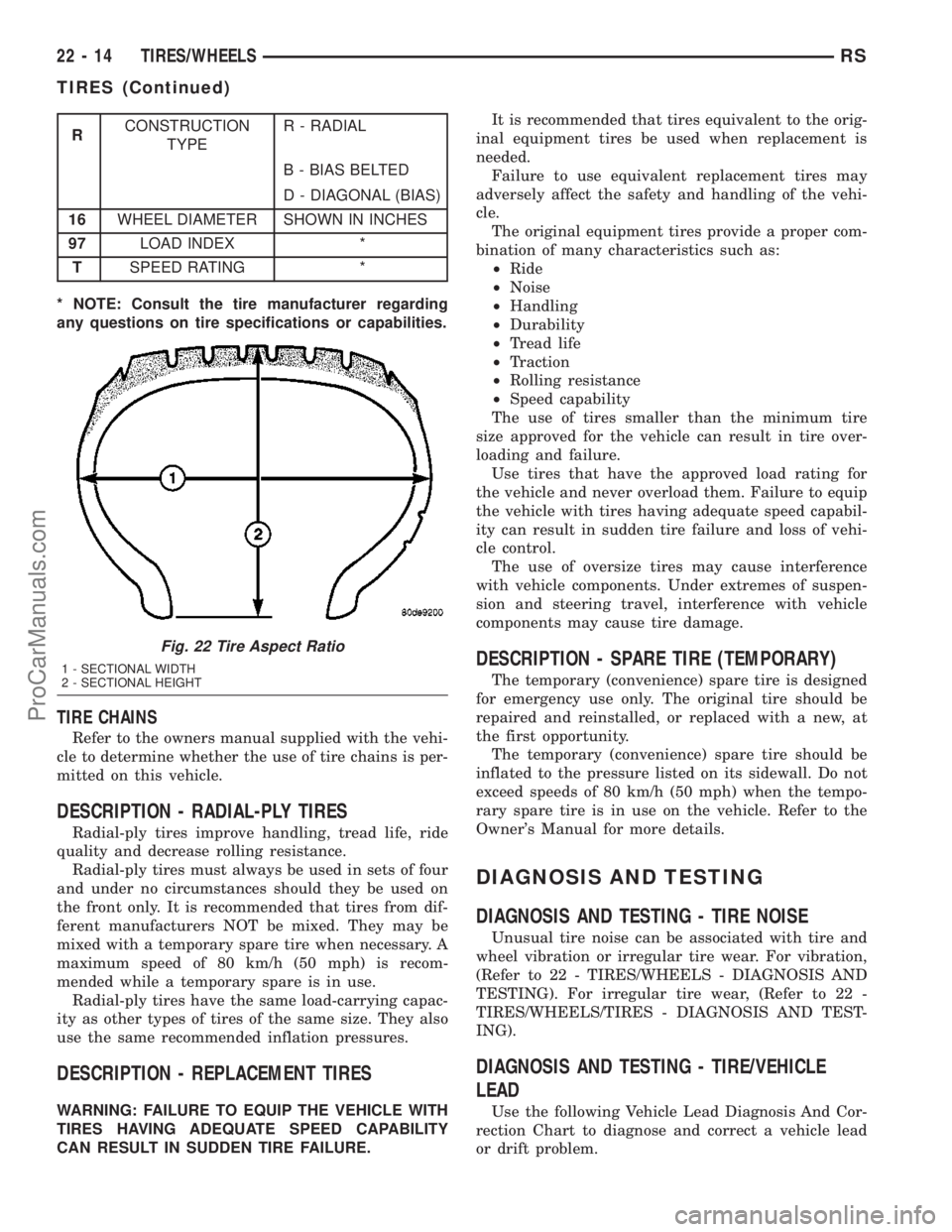
60ASPECT RATIOSECTIONAL HEIGHT
÷ SECTIONAL WIDTH
(Refer to Aspect Ratio
Figure 22 )
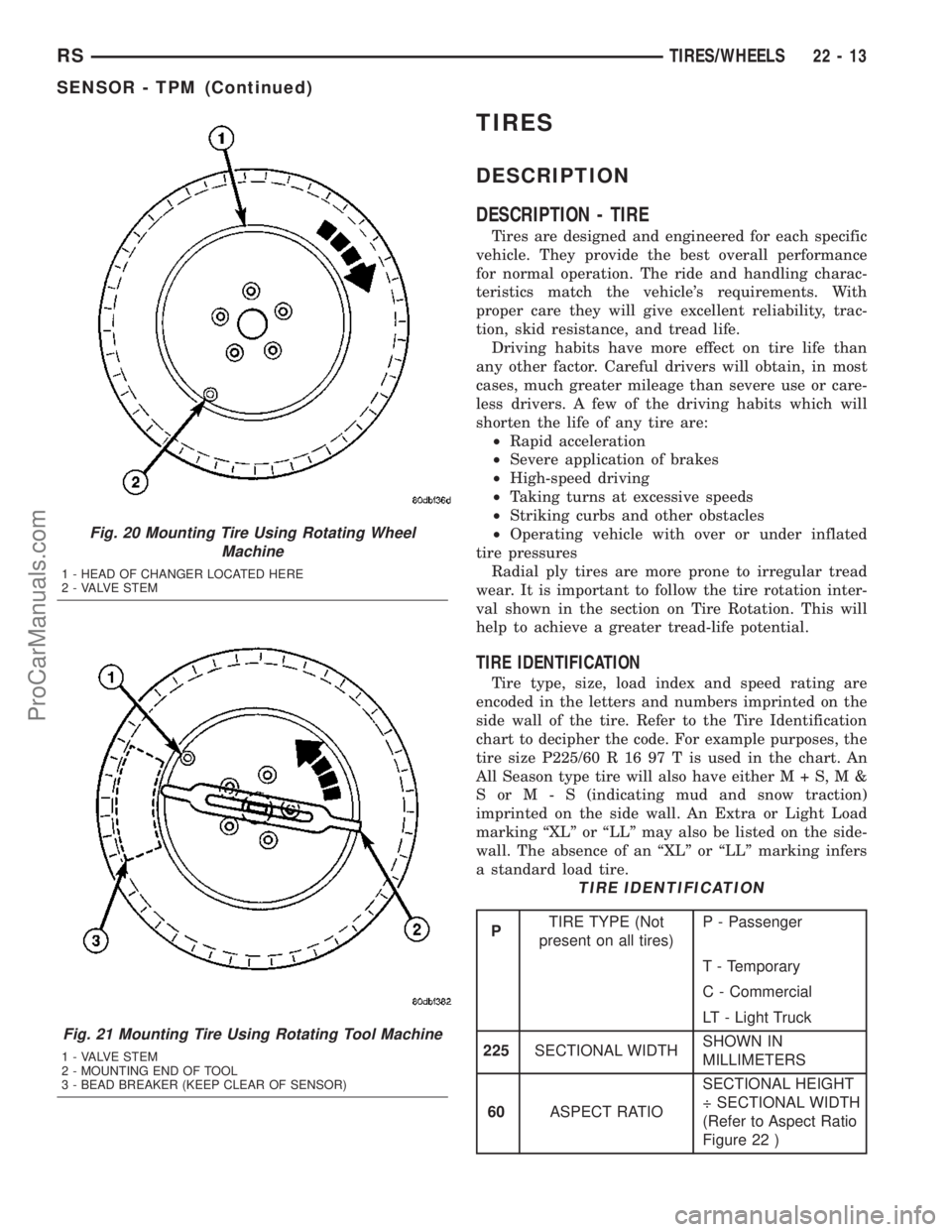
Fig. 20 Mounting Tire Using Rotating Wheel
Machine
1 - HEAD OF CHANGER LOCATED HERE
2 - VALVE STEM
Fig. 21 Mounting Tire Using Rotating Tool Machine
1 - VALVE STEM
2 - MOUNTING END OF TOOL
3 - BEAD BREAKER (KEEP CLEAR OF SENSOR)
RSTIRES/WHEELS22-13
SENSOR - TPM (Continued)
ProCarManuals.com
Page 1725 of 2177
RCONSTRUCTION
TYPER - RADIAL
B - BIAS BELTED
D - DIAGONAL (BIAS)
16WHEEL DIAMETER SHOWN IN INCHES
97LOAD INDEX *
TSPEED RATING *
* NOTE: Consult the tire manufacturer regarding
any questions on tire specifications or capabilities.
TIRE CHAINS
Refer to the owners manual supplied with the vehi-
cle to determine whether the use of tire chains is per-
mitted on this vehicle.
DESCRIPTION - RADIAL-PLY TIRES
Radial-ply tires improve handling, tread life, ride
quality and decrease rolling resistance.
Radial-ply tires must always be used in sets of four
and under no circumstances should they be used on
the front only. It is recommended that tires from dif-
ferent manufacturers NOT be mixed. They may be
mixed with a temporary spare tire when necessary. A
maximum speed of 80 km/h (50 mph) is recom-
mended while a temporary spare is in use.
Radial-ply tires have the same load-carrying capac-
ity as other types of tires of the same size. They also
use the same recommended inflation pressures.
DESCRIPTION - REPLACEMENT TIRES
WARNING: FAILURE TO EQUIP THE VEHICLE WITH
TIRES HAVING ADEQUATE SPEED CAPABILITY
CAN RESULT IN SUDDEN TIRE FAILURE.It is recommended that tires equivalent to the orig-
inal equipment tires be used when replacement is
needed.
Failure to use equivalent replacement tires may
adversely affect the safety and handling of the vehi-
cle.
The original equipment tires provide a proper com-
bination of many characteristics such as:
²Ride
²Noise
²Handling
²Durability
²Tread life
²Traction
²Rolling resistance
²Speed capability
The use of tires smaller than the minimum tire
size approved for the vehicle can result in tire over-
loading and failure.
Use tires that have the approved load rating for
the vehicle and never overload them. Failure to equip
the vehicle with tires having adequate speed capabil-
ity can result in sudden tire failure and loss of vehi-
cle control.
The use of oversize tires may cause interference
with vehicle components. Under extremes of suspen-
sion and steering travel, interference with vehicle
components may cause tire damage.
DESCRIPTION - SPARE TIRE (TEMPORARY)
The temporary (convenience) spare tire is designed
for emergency use only. The original tire should be
repaired and reinstalled, or replaced with a new, at
the first opportunity.
The temporary (convenience) spare tire should be
inflated to the pressure listed on its sidewall. Do not
exceed speeds of 80 km/h (50 mph) when the tempo-
rary spare tire is in use on the vehicle. Refer to the
Owner's Manual for more details.
DIAGNOSIS AND TESTING
DIAGNOSIS AND TESTING - TIRE NOISE
Unusual tire noise can be associated with tire and
wheel vibration or irregular tire wear. For vibration,
(Refer to 22 - TIRES/WHEELS - DIAGNOSIS AND
TESTING). For irregular tire wear, (Refer to 22 -
TIRES/WHEELS/TIRES - DIAGNOSIS AND TEST-
ING).
DIAGNOSIS AND TESTING - TIRE/VEHICLE
LEAD
Use the following Vehicle Lead Diagnosis And Cor-
rection Chart to diagnose and correct a vehicle lead
or drift problem.
Fig. 22 Tire Aspect Ratio
1 - SECTIONAL WIDTH
2 - SECTIONAL HEIGHT
22 - 14 TIRES/WHEELSRS
TIRES (Continued)
ProCarManuals.com
Page 1727 of 2177
DIAGNOSIS AND TESTING - TIRE WEAR
PATTERNS
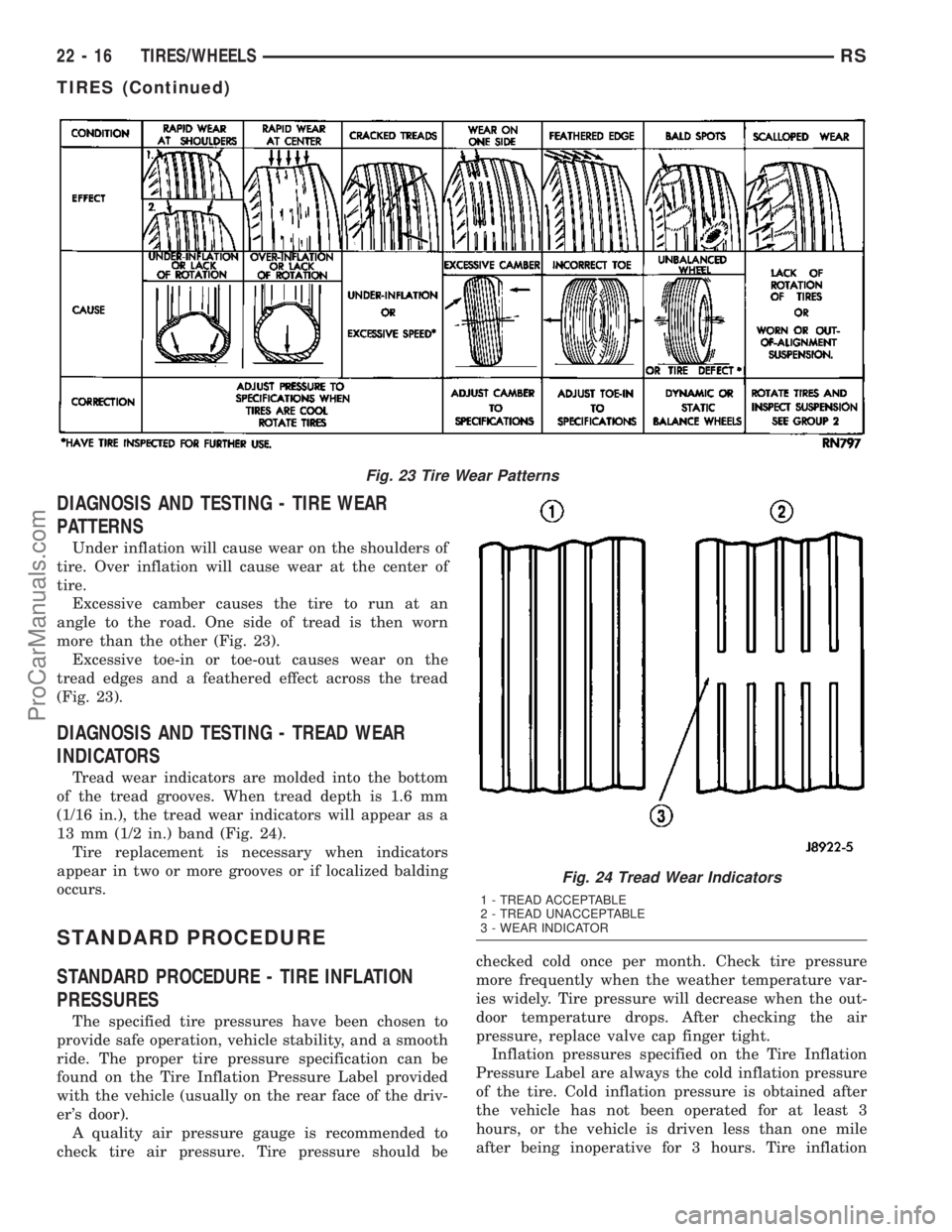
Under inflation will cause wear on the shoulders of
tire. Over inflation will cause wear at the center of
tire.
Excessive camber causes the tire to run at an
angle to the road. One side of tread is then worn
more than the other (Fig. 23).
Excessive toe-in or toe-out causes wear on the
tread edges and a feathered effect across the tread
(Fig. 23).
DIAGNOSIS AND TESTING - TREAD WEAR
INDICATORS
Tread wear indicators are molded into the bottom
of the tread grooves. When tread depth is 1.6 mm
(1/16 in.), the tread wear indicators will appear as a
13 mm (1/2 in.) band (Fig. 24).
Tire replacement is necessary when indicators
appear in two or more grooves or if localized balding
occurs.
STANDARD PROCEDURE
STANDARD PROCEDURE - TIRE INFLATION
PRESSURES
The specified tire pressures have been chosen to
provide safe operation, vehicle stability, and a smooth
ride. The proper tire pressure specification can be
found on the Tire Inflation Pressure Label provided
with the vehicle (usually on the rear face of the driv-
er's door).
A quality air pressure gauge is recommended to
check tire air pressure. Tire pressure should bechecked cold once per month. Check tire pressure
more frequently when the weather temperature var-
ies widely. Tire pressure will decrease when the out-
door temperature drops. After checking the air
pressure, replace valve cap finger tight.
Inflation pressures specified on the Tire Inflation
Pressure Label are always the cold inflation pressure
of the tire. Cold inflation pressure is obtained after
the vehicle has not been operated for at least 3
hours, or the vehicle is driven less than one mile
after being inoperative for 3 hours. Tire inflation
Fig. 23 Tire Wear Patterns
Fig. 24 Tread Wear Indicators
1 - TREAD ACCEPTABLE
2 - TREAD UNACCEPTABLE
3 - WEAR INDICATOR
22 - 16 TIRES/WHEELSRS
TIRES (Continued)
ProCarManuals.com
Page 1728 of 2177
pressures may increase from 2 to 6 pounds per
square inch (psi) (14 to 41 kPa) during operation. Do
not reduce this normal pressure buildup.
Improper inflation can cause:
²Uneven wear patterns
²Reduced tread life
²Reduced fuel economy
²Unsatisfactory ride
²The vehicle to drift.
WARNING: OVER OR UNDER INFLATED TIRES CAN
AFFECT VEHICLE HANDLING. THE TIRE CAN FAIL
SUDDENLY, RESULTING IN LOSS OF VEHICLE
CONTROL.
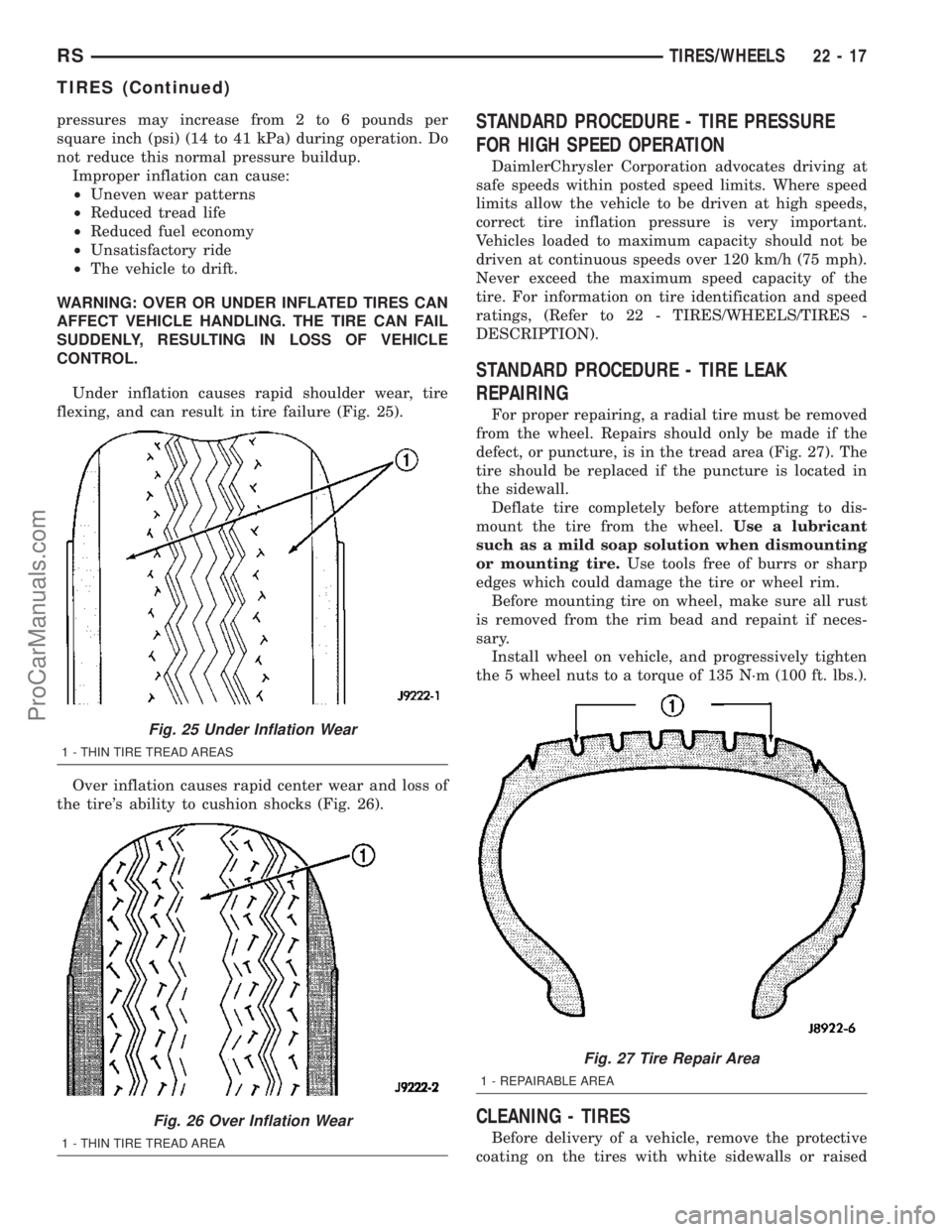
Under inflation causes rapid shoulder wear, tire
flexing, and can result in tire failure (Fig. 25).
Over inflation causes rapid center wear and loss of
the tire's ability to cushion shocks (Fig. 26).STANDARD PROCEDURE - TIRE PRESSURE
FOR HIGH SPEED OPERATION
DaimlerChrysler Corporation advocates driving at
safe speeds within posted speed limits. Where speed
limits allow the vehicle to be driven at high speeds,
correct tire inflation pressure is very important.
Vehicles loaded to maximum capacity should not be
driven at continuous speeds over 120 km/h (75 mph).
Never exceed the maximum speed capacity of the
tire. For information on tire identification and speed
ratings, (Refer to 22 - TIRES/WHEELS/TIRES -
DESCRIPTION).
STANDARD PROCEDURE - TIRE LEAK
REPAIRING
For proper repairing, a radial tire must be removed
from the wheel. Repairs should only be made if the
defect, or puncture, is in the tread area (Fig. 27). The
tire should be replaced if the puncture is located in
the sidewall.
Deflate tire completely before attempting to dis-
mount the tire from the wheel.Use a lubricant
such as a mild soap solution when dismounting
or mounting tire.Use tools free of burrs or sharp
edges which could damage the tire or wheel rim.
Before mounting tire on wheel, make sure all rust
is removed from the rim bead and repaint if neces-
sary.
Install wheel on vehicle, and progressively tighten
the 5 wheel nuts to a torque of 135 N´m (100 ft. lbs.).
CLEANING - TIRES
Before delivery of a vehicle, remove the protective
coating on the tires with white sidewalls or raised
Fig. 25 Under Inflation Wear
1 - THIN TIRE TREAD AREAS
Fig. 26 Over Inflation Wear
1 - THIN TIRE TREAD AREA
Fig. 27 Tire Repair Area
1 - REPAIRABLE AREA
RSTIRES/WHEELS22-17
TIRES (Continued)
ProCarManuals.com
Page 2060 of 2177
A/C COMPRESSOR
DESCRIPTION
All vehicles use the Nippondenso 10S20 compres-
sor. This compressor use an aluminum swash plate,
teflon coated pistons and aluminum sleeveless cylin-
der walls. This compressor includes an integral high
pressure relief valve. The compressor is secured low
in the right front corner of the engine compartment
to a mounting bracket on the cylinder block (2.4L
engine), or directly to the cylinder block (3.3L and
3.8L engines) is integral to the compressor. This com-
pressor cannot be repaired. If faulty or damaged, the
entire compressor must be replaced. The compressor
clutch, pulley, and clutch coil are available for service
replacement.
OPERATION
The compressor is driven by the engine through an
electric clutch, drive pulley and belt arrangement.
The compressor is lubricated by refrigerant oil that is
circulated throughout the refrigerant system with the
refrigerant. The compressor draws in low-pressure
refrigerant vapor from the evaporator through its
suction port. It then compresses the refrigerant into
a high-pressure, high-temperature refrigerant vapor.
The compressor pumps high-pressure refrigerant
vapor to the condenser through the compressor dis-
charge port. The mechanical high pressure relief
valve is designed to vent refrigerant from the system
to protect against damage to the compressor or other
system components, caused by condenser air flow
restrictions or an overcharge of refrigerant. The valve
only vents enough refrigerant to reduce the system
pressure, then re-seats itself. The valve opens at a
discharge pressure of 3445 to 4135 kPA (500 to 600
psi) or above, and closes when a minimum discharge
pressure of 2756 kPa (400 psi) is reached.
DIAGNOSIS AND TESTING - COMPRESSOR
NOISE DIAGNOSIS
Excessive noise while the air conditioning compres-
sor is operating can be caused by loose compressor
mounts, a loose compressor clutch, or high operating
pressures in the refrigerant system. Verify compres-
sor drive belt condition, proper compressor mounting,
correct refrigerant charge level, and compressor head
pressure before compressor repair is performed.
With the close tolerances within the compressor, it
is possible to experience a temporary lockup. The
longer the compressor is inactive, the more likely the
condition is to occur. This condition is the result of
normal refrigerant migration within the refrigerant
system caused by ambient temperature changes. Therefrigerant migration may wash the refrigerant oil
out of the compressor.
NOTE: Prior to a vehicle being removed from ser-
vice or stored for more than two weeks, the com-
pressor should be operated to ensure adequate
refrigerant oil distribution throughout the system
components. Turn on the air conditioner for a min-
imum of five minutes with outside air and the high-
est blower speed selected.
BELT NOISE
If the compressor drive belt slips at initial start-up,
it does not necessarily mean the compressor has
failed. The following procedure can be used to iden-
tify a compressor drive belt noise problem.
A. Start the vehicle and run at idle.
B. Turn the air conditioner On and listen for belt
squeal.
C. If belt squeal is heard, turn the air conditioner
Off immediately.
If the belt squeal stops when the air conditioner is
turned Off, perform the following repair procedures.
(1) Using an appropriate sized oil filter wrench or
a strap wrench, grasp the outer diameter of the com-
pressor clutch hub. While facing the compressor,
rotate the hub clockwise, then counterclockwise. If
the hub rotates, proceed to the next step. If the hub
will not rotate, the compressor is internally damaged,
and must be replaced.
(2) Turn the hub clockwise five complete revolu-
tions and remove the tool.
(3) Start the vehicle and run at idle.
(4) Turn the air conditioner On. Observe the com-
pressor and the system for normal operation, noting
cooling performance and noise levels. Operate for five
minutes before turning the air conditioner Off. If
acceptable cooling performance is observed during
compressor operation, the compressor does not need
to be replaced.
(5) Inspect the drive belt for wear, damage, and
proper tension. (Refer to 7 - COOLING/ACCESSORY
DRIVE/DRIVE BELTS - DIAGNOSIS AND TEST-
ING).
RSPLUMBING - FRONT24-63
ProCarManuals.com
Page 2100 of 2177
(16) Remove the tape or plugs from the suction
line extension fitting and the underbody suction line
fitting (Fig. 35).
(17) Lubricate a new rubber O-ring seal with clean
refrigerant oil and install it on the underbody suction
line fitting.
(18) Reconnect the suction line extension fitting to
the underbody suction line fitting. Tighten the fit-
tings to 23 N´m (17 ft. lbs.).
(19) Install a new tie strap just forward of the con-
nections between the underbody plumbing and the
engine compartment plumbing for the rear heater
and air conditioner.
(20) Lower the vehicle.
(21) Evacuate the refrigerant system. (Refer to 24
- HEATING & AIR CONDITIONING/PLUMBING -
FRONT/REFRIGERANT - STANDARD PROCE-
DURE - REFRIGERANT SYSTEM EVACUATE).
(22) Charge the refrigerant system. (Refer to 24 -
HEATING & AIR CONDITIONING/PLUMBING -
FRONT/REFRIGERANT - STANDARD PROCE-
DURE - REFRIGERANT SYSTEM CHARGE).UNDERBODY LINES
DESCRIPTION
The rear heater-A/C unit plumbing is used only on
models with the optional rear heater-A/C unit. The
formed metal rear heater-A/C unit suction line, liquid
line, and heater lines are available for separate ser-
vice replacement. The molded and straight heater
hoses used on the rear heater-A/C unit can be ser-
viced in the vehicle. Refer to Group 7 - Cooling Sys-
tem for the heater hose service procedures.
OPERATION
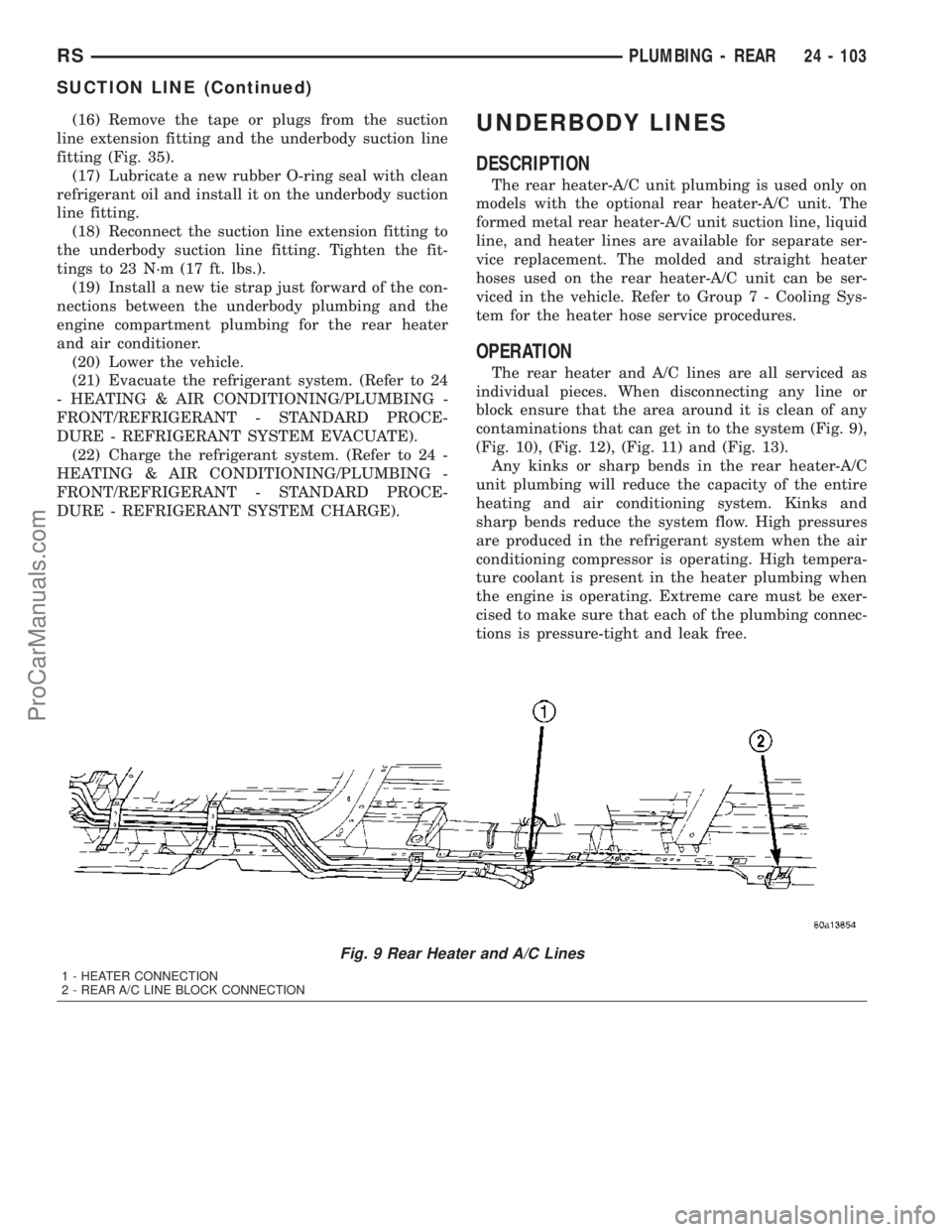
The rear heater and A/C lines are all serviced as
individual pieces. When disconnecting any line or
block ensure that the area around it is clean of any
contaminations that can get in to the system (Fig. 9),
(Fig. 10), (Fig. 12), (Fig. 11) and (Fig. 13).
Any kinks or sharp bends in the rear heater-A/C
unit plumbing will reduce the capacity of the entire
heating and air conditioning system. Kinks and
sharp bends reduce the system flow. High pressures
are produced in the refrigerant system when the air
conditioning compressor is operating. High tempera-
ture coolant is present in the heater plumbing when
the engine is operating. Extreme care must be exer-
cised to make sure that each of the plumbing connec-
tions is pressure-tight and leak free.
Fig. 9 Rear Heater and A/C Lines
1 - HEATER CONNECTION
2 - REAR A/C LINE BLOCK CONNECTION
RSPLUMBING - REAR24 - 103
SUCTION LINE (Continued)
ProCarManuals.com
Page 2154 of 2177
GUIDE PINS (DISC/DRUM BRAKES) -
INSTALLATION, DISC BRAKE CALIPER.....5-31
GUIDE PINS (DISC/DRUM BRAKES) -
REMOVAL, DISC BRAKE CALIPER.........5-31
HALF SHAFT - DIAGNOSIS AND TESTING . . . 3-1,
3-13
HALF SHAFT - FRONT - DESCRIPTION......3-1
HALF SHAFT - FRONT - INSTALLATION.....3-4
HALF SHAFT - FRONT - REMOVAL.........3-2
HALF SHAFT - FRONT - SPECIFICATIONS . . 3-15,
3-6
HALF SHAFT - REAR - DESCRIPTION......3-13
HALF SHAFT - REAR - INSTALLATION.....3-14
HALF SHAFT - REAR - REMOVAL.........3-13
HALF SHAFT INNER SEAL -
INSTALLATION.......................21-12
HALF SHAFT INNER SEAL - REMOVAL....21-12
HALF SHAFT SEAL - INSTALLATION,
OUTER.............................21-19
HALF SHAFT SEAL - REMOVAL, OUTER . . . 21-19
HANDLE - INSTALLATION, ASSIST.......23-73
HANDLE - INSTALLATION, EXTERIOR....23-22,
23-39
HANDLE - INSTALLATION, INSIDE LATCH . . 23-33
HANDLE - INSTALLATION, OUTSIDE......23-35
HANDLE - INSTALLATION, RECLINER.....23-89
HANDLE - REMOVAL, ASSIST...........23-73
HANDLE - REMOVAL, EXTERIOR . . . 23-22,23-39
HANDLE - REMOVAL, INSIDE LATCH.......23-33
HANDLE - REMOVAL, OUTSIDE.........23-35
HANDLE - REMOVAL, RECLINER........23-89
HANDLE CABLE - INSTALLATION, INSIDE . . 23-37
HANDLE CABLE - INSTALLATION,
OUTSIDE...........................23-36
HANDLE CABLE - REMOVAL, INSIDE.....23-37
HANDLE CABLE - REMOVAL, OUTSIDE....23-36
HANDLE SWITCH - DESCRIPTION,
EXTERIOR..........................8N-11
HANDLE SWITCH - INSTALLATION,
EXTERIOR..........................8N-12
HANDLE SWITCH - OPERATION,
EXTERIOR..........................8N-11
HANDLE SWITCH - REMOVAL, EXTERIOR . 8N-11
HANDLING AIRBAGS - STANDARD
PROCEDURE.........................8O-3
HARNESS - DESCRIPTION, WIRING......8N-35
HARNESS - DIAGNOSIS AND TESTING,
WIRING..........................8W-01-7
HARNESS - INSTALLATION, WIRING.....8N-36
HARNESS - OPERATION, WIRING........8N-35
HARNESS - REMOVAL, WIRING.........8N-35
HCU (HYDRAULIC CONTROL UNIT) -
DESCRIPTION........................5-89
HCU (HYDRAULIC CONTROL UNIT) -
OPERATION..........................5-89
HEAD - CLEANING, CYLINDER......9-100,9-26
HEAD - DESCRIPTION, CYLINDER....9-24,9-99
HEAD - INSPECTION, CYLINDER.....9-101,9-26
HEAD - INSTALLATION, CYLINDER . . . 9-101,9-26
HEAD - REMOVAL, CYLINDER......9-100,9-25
HEAD COVER - CLEANING, CYLINDER.....9-31
HEAD COVER - INSPECTION, CYLINDER . . . 9-31
HEAD COVER - INSTALLATION,
CYLINDER...........................9-31
HEAD COVER - LEFT - INSTALLATION,
CYLINDER..........................9-103
HEAD COVER - LEFT - REMOVAL,
CYLINDER..........................9-103
HEAD COVER - REMOVAL, CYLINDER.....9-31
HEAD COVER - RIGHT - INSTALLATION,
CYLINDER..........................9-103
HEAD COVER - RIGHT - REMOVAL,
CYLINDER..........................9-102
HEAD COVER(S) - DESCRIPTION,
CYLINDER..........................9-102
HEAD GASKET - DIAGNOSIS AND
TESTING, CYLINDER...............9-24,9-99
HEAD OFF - INSTALLATION, CYLINDER . . . 9-108,
9-33
HEAD OFF - REMOVAL, CYLINDER . . . 9-106,9-32
HEAD ON - INSTALLATION, CYLINDER . . . 9-108,
9-33
HEAD ON - REMOVAL, CYLINDER . . . 9-106,9-32
HEADER TRIM - INSTALLATION, REAR
....23-79
HEADER TRIM - REMOVAL, REAR
.......23-79
HEADLAMP - DIAGNOSIS AND TESTING
. . 8L-11
HEADLAMP - EXPORT - INSTALLATION
. . . 8L-13
HEADLAMP - EXPORT - REMOVAL
.......8L-13HEADLAMP - INSTALLATION............8L-13
HEADLAMP - REMOVAL...............8L-13
HEADLAMP LEVELING MOTOR - EXPORT
- DIAGNOSIS AND TESTING............8L-14
HEADLAMP LEVELING MOTOR - EXPORT
- INSTALLATION.....................8L-15
HEADLAMP LEVELING MOTOR - EXPORT
- REMOVAL.........................8L-14
HEADLAMP LEVELING SWITCH -
EXPORT - DESCRIPTION...............8L-15
HEADLAMP LEVELING SWITCH -
EXPORT - DIAGNOSIS AND TESTING.....8L-15
HEADLAMP SWITCH - DIAGNOSIS AND
TESTING...........................8L-15
HEADLAMP SWITCH - EXPORT -
DIAGNOSIS AND TESTING.............8L-16
HEADLAMP UNIT - EXPORT -
INSTALLATION.......................8L-20
HEADLAMP UNIT - EXPORT - REMOVAL . . 8L-20
HEADLAMP UNIT ALIGNMENT - EXPORT
- STANDARD PROCEDURE.............8L-17
HEADLAMP UNIT ALIGNMENT -
STANDARD PROCEDURE...............8L-17
HEADLAMP WASHER HOSE - EXPORT -
INSTALLATION......................8R-12
HEADLAMP WASHER HOSE - EXPORT -
REMOVAL..........................8R-12
HEADLAMP WASHER PUMP MOTOR -
EXPORT - INSTALLATION..............8R-13
HEADLAMP WASHER PUMP MOTOR -
EXPORT - REMOVAL..................8R-12
HEADLAMP WASHERS - EXPORT -
DESCRIPTION........................8R-10
HEADLAMP WASHERS - EXPORT -
DIAGNOSIS AND TESTING.............8R-10
HEADLAMP WASHERS - EXPORT -
INSTALLATION......................8R-12
HEADLAMP WASHERS - EXPORT -
OPERATION.........................8R-10
HEADLAMP WASHERS - EXPORT -
REMOVAL..........................8R-12
HEADLINER - INSTALLATION...........23-76
HEADLINER - REMOVAL...............23-76
HEADREST - INSTALLATION............23-88
HEADREST - REMOVAL................23-88
HEADREST SLEEVE - INSTALLATION.....23-89
HEADREST SLEEVE - REMOVAL.........23-89
HEAT SHIELDS - DESCRIPTION..........11-6
HEAT SHIELDS - INSTALLATION..........11-7
HEAT SHIELDS - OPERATION............11-7
HEAT SHIELDS - REMOVAL.............11-7
HEAT STAKING - STANDARD
PROCEDURE........................23-10
HEATED GLASS - DESCRIPTION..........8G-1
HEATED GLASS - OPERATION...........8G-1
HEATED MIRROR - STANDARD
PROCEDURE.........................8G-6
HEATED MIRROR TEST - DIAGNOSIS
AND TESTING........................8G-5
HEATED MIRRORS - DESCRIPTION.......8G-5
HEATED MIRRORS - OPERATION.........8G-5
HEATED SEAT ELEMENTS -
DESCRIPTION.......................8G-10
HEATED SEAT ELEMENTS - DIAGNOSIS
AND TESTING.......................8G-10
HEATED SEAT ELEMENTS -
INSTALLATION......................8G-11
HEATED SEAT ELEMENTS - OPERATION . . 8G-10
HEATED SEAT ELEMENTS - REMOVAL
....8G-11
HEATED SEAT MODULE - DESCRIPTION
....8E-8
HEATED SEAT MODULE - DIAGNOSIS
AND TESTING
........................8E-9
HEATED SEAT MODULE - INSTALLATION
. . 8E-10
HEATED SEAT MODULE - OPERATION
.....8E-9
HEATED SEAT MODULE - REMOVAL
.......8E-9
HEATED SEAT SENSOR - DESCRIPTION
. . . 8G-11
HEATED SEAT SENSOR - DIAGNOSIS
AND TESTING
.......................8G-12
HEATED SEAT SENSOR - OPERATION
....8G-12
HEATED SEAT SWITCH - DESCRIPTION,
DRIVER
.............................8G-8
HEATED SEAT SWITCH - DESCRIPTION,
PASSENGER
........................8G-12
HEATED SEAT SWITCH - DIAGNOSIS
AND TESTING, DRIVER
.................8G-9
HEATED SEAT SWITCH - DIAGNOSIS
AND TESTING, PASSENGER
............8G-13HEATED SEAT SWITCH - INSTALLATION,
DRIVER............................8G-10
HEATED SEAT SWITCH - INSTALLATION,
PASSENGER........................8G-14
HEATED SEAT SWITCH - OPERATION,
DRIVER.............................8G-8
HEATED SEAT SWITCH - OPERATION,
PASSENGER........................8G-12
HEATED SEAT SWITCH - REMOVAL,
DRIVER............................8G-10
HEATED SEAT SWITCH - REMOVAL,
PASSENGER........................8G-14
HEATED SEAT SYSTEM - DESCRIPTION....8G-7
HEATED SEAT SYSTEM - DIAGNOSIS
AND TESTING........................8G-8
HEATED SEAT SYSTEM - OPERATION.....8G-8
HEATER - DCHA - DIAGNOSIS AND
TESTING, DIESEL SUPPLEMENTAL......24-107
HEATER - DCHA - EXPORT -
DESCRIPTION, DIESEL
SUPPLEMENTAL....................24-106
HEATER - DESCRIPTION, ENGINE BLOCK . . . 7-20
HEATER - INSTALLATION, ENGINE
BLOCK..............................7-20
HEATER - OPERATION, ENGINE BLOCK....7-20
HEATER - REMOVAL, ENGINE BLOCK......7-20
HEATER CONTROL - INSTALLATION, A/C . . . 24-9
HEATER CONTROL - REMOVAL, A/C.......24-9
HEATER CORE - DESCRIPTION.....24-74,24-98
HEATER CORE - INSTALLATION . . . 24-100,24-78
HEATER CORE - OPERATION........24-74,24-98
HEATER CORE - REMOVAL........24-76,24-99
HEATER CORE EXTENSION TUBES -
INSTALLATION.......................24-77
HEATER CORE EXTENSION TUBES -
REMOVAL..........................24-75
HEATER CORE FILLING - STANDARD
PROCEDURE........................24-98
HEATER DISTRIBUTION DUCT -
INSTALLATION, REAR.................24-59
HEATER DISTRIBUTION DUCT -
REMOVAL, REAR.....................24-59
HEATER HOSE - INSTALLATION . . . 24-101,24-80
HEATER HOSE - REMOVAL.......24-100,24-78
HEATER LINES - INSTALLATION, REAR . . 24-105
HEATER LINES - REMOVAL, REAR......24-104
HEATER PERFORMANCE TEST -
DIAGNOSIS AND TESTING..............24-6
HEATER TESTING - DIAGNOSIS AND
TESTING, ENGINE BLOCK...............7-20
HEATER UNIT - INSTALLATION.........24-111
HEATER UNIT - REMOVAL.............24-111
HEATER WIRING - INSTALLATION,
SUPPLEMENTAL DIESEL..............24-112
HEATER WIRING - REMOVAL,
SUPPLEMENTAL DIESEL..............24-112
HEATER-A/C CONTROL CALIBRATION -
STANDARD PROCEDURE................24-8
HEATER-A/C HOUSING - INSTALLATION,
REAR..............................24-58
HEATER-A/C HOUSING - REMOVAL,
REAR..............................24-56
HEATER-A/C SYSTEM - SPECIFICATIONS . . . 24-7
HEAVY DUTY - INSTALLATION, AWD......2-35
HEAVY DUTY - REMOVAL, AWD..........2-35
HEIGHT ADJUSTER-BORC-PILLAR -
INSTALLATION, SEAT BELT.............8O-12
HEIGHT ADJUSTER-BORC-PILLAR -
REMOVAL, SEAT BELT................8O-12
HEIGHT ADJUSTER KNOB -
INSTALLATION, SEAT BELT.............8O-13
HEIGHT ADJUSTER KNOB - REMOVAL,
SEAT BELT .........................8O-13
HEIGHT MEASUREMENT - STANDARD
PROCEDURE, CURB...................2-54
HIGH AND LOW LIMITS - DESCRIPTION . . . 25-8
HIGH MOUNTED STOP LAMP -
INSTALLATION, CENTER................8L-6
HIGH MOUNTED STOP LAMP -
REMOVAL, CENTER....................8L-6
HIGH MOUNTED STOP LAMP UNIT -
INSTALLATION, CENTER
................8L-7
HIGH MOUNTED STOP LAMP UNIT -
REMOVAL, CENTER
....................8L-6
HIGH SPEED OPERATION - STANDARD
PROCEDURE, TIRE PRESSURE
..........22-17
HINGE - INSTALLATION
......23-18,23-39,23-59
HINGE - INSTALLATION, CENTER
........23-24
RSINDEX15
Description Group-Page Description Group-Page Description Group-Page
ProCarManuals.com
Page 2155 of 2177
HINGE - INSTALLATION, LOWER........23-28
HINGE - INSTALLATION, UPPER.........23-35
HINGE - REMOVAL.........23-18,23-39,23-59
HINGE - REMOVAL, BENCH SEAT BACK . . 23-100
HINGE - REMOVAL, CENTER............23-24
HINGE - REMOVAL, LOWER............23-28
HINGE - REMOVAL, UPPER.............23-35
HINGE COVERS - QUAD BUCKET, 50/50
SPLIT, BENCH - INSTALLATION, SEAT
BACK.............................23-100
HINGE COVERS - QUAD BUCKET, 50/50
SPLIT, BENCH - REMOVAL, SEAT BACK . . 23-100
HOISTING - STANDARD PROCEDURE......0-15
HOLD OPEN LATCH - INSTALLATION.....23-25
HOLD OPEN LATCH - REMOVAL.........23-25
HOLD OPEN LATCH CABLE -
INSTALLATION.......................23-38
HOLD OPEN LATCH CABLE - REMOVAL . . . 23-37
HOLD OPEN LATCH STRIKER -
INSTALLATION.......................23-26
HOLD OPEN LATCH STRIKER -
REMOVAL..........................23-26
HOLDDOWN - DESCRIPTION, BATTERY . . . 8F-15
HOLDDOWN - INSTALLATION, BATTERY . . . 8F-16
HOLDDOWN - OPERATION, BATTERY.....8F-15
HOLDDOWN - REMOVAL, BATTERY......8F-16
HOLDER - INSTALLATION, CUP.........23-63
HOLDER - INSTALLATION, QUAD
BUCKET SEAT SIDE SHIELD - NO CUP.....23-96
HOLDER - INSTALLATION, QUAD
BUCKET SEAT SIDE SHIELD/CUP........23-95
HOLDER - REMOVAL, CUP.............23-63
HOLDER - REMOVAL, QUAD BUCKET
SEAT SIDE SHIELD - NO CUP...........23-96
HOLDER - REMOVAL, QUAD BUCKET
SEAT SIDE SHIELD/CUP...............23-95
HOLDING CLUTCHES - DESCRIPTION....21-207
HOLDING CLUTCHES - OPERATION.....21-207
HOLE REPAIR - DESCRIPTION,
THREADED........................Intro.-5
HONING - STANDARD PROCEDURE,
CYLINDER BORE.................9-112,9-35
HOOD - INSTALLATION................23-60
HOOD - REMOVAL....................23-59
HOOD AJAR SWITCH - EXPORT -
INSTALLATION.......................8Q-3
HOOD AJAR SWITCH - EXPORT -
REMOVAL...........................8Q-3
HORN - DIAGNOSIS AND TESTING.......8H-3
HORN - INSTALLATION.................8H-5
HORN - REMOVAL....................8H-5
HORN CHIRP PREFERENCE - STANDARD
PROCEDURE........................8N-42
HORN RELAY - DIAGNOSIS AND
TESTING............................8H-5
HORN RELAY - INSTALLATION...........8H-5
HORN RELAY - REMOVAL..............8H-5
HORN SWITCH - DESCRIPTION..........8H-5
HORN SYSTEM - DESCRIPTION..........8H-1
HORN SYSTEM - DIAGNOSIS AND
TESTING............................8H-1
HORN SYSTEM - OPERATION............8H-1
HOSE - EXPORT - INSTALLATION,
HEADLAMP WASHER.................8R-12
HOSE - EXPORT - REMOVAL, HEADLAMP
WASHER...........................8R-12
HOSE - INSTALLATION, HEATER . . . 24-101,24-80
HOSE - REMOVAL, HEATER......24-100,24-78
HOSE CLAMPS - DESCRIPTION...........7-1
HOSE CLAMPS - OPERATION.............7-2
HOSES - DESCRIPTION, BRAKE TUBES
....5-14
HOSES - INSPECTION, BRAKE TUBES
.....5-14
HOSES - INSTALLATION, WASHER
.......8R-16
HOSES - OPERATION, BRAKE TUBES
......5-14
HOSES - REMOVAL, WASHER
..........8R-16
HOSES AND CLAMP - STANDARD
PROCEDURE
.........................14-6
HOUSING - INSTALLATION, AIR
CLEANER
........................9-24,9-99
HOUSING - INSTALLATION, HVAC
........24-50
HOUSING - INSTALLATION, LOCK
CYLINDER
..........................19-19
HOUSING - INSTALLATION, REAR
HEATER-A/C
.........................24-58
HOUSING - REMOVAL, AIR CLEANER
. . 9-24,9-99
HOUSING - REMOVAL, HVAC
...........24-49
HOUSING - REMOVAL, LOCK CYLINDER
. . 19-17HOUSING - REMOVAL, REAR HEATER-A/
C .................................24-56
HOUSING FLUID CHANGE - STANDARD
PROCEDURE, OVERRUNNING CLUTCH.....3-41
HOUSING FLUID LEAKAGE - DIAGNOSIS
AND TESTING, TORQUE CONVERTER....21-123
HOW TO USE WIRING DIAGRAMS -
DESCRIPTION.....................8W-01-1
HUB / BEARING - DESCRIPTION.......2-30,2-5
HUB / BEARING - INSTALLATION......2-32,2-5
HUB / BEARING - OPERATION........2-30,2-5
HUB / BEARING - REMOVAL..........2-31,2-5
HUB AND BEARING - DIAGNOSIS AND
TESTING.........................2-30,2-5
HVAC - LWB - INSTALLATION, SEAT
BELT & RETRACTOR - SECOND ROW -
RIGHT OUTBOARD WITH REAR.........8O-15
HVAC - LWB - REMOVAL, SEAT BELT &
RETRACTOR - SECOND ROW - RIGHT
OUTBOARD WITH REAR...............8O-15
HVAC HOUSING - INSTALLATION........24-50
HVAC HOUSING - REMOVAL............24-49
HVAC LOUVER - INSTALLATION, REAR . . . 23-79
HVAC LOUVER - REMOVAL, REAR.......23-79
HYDRAULIC CIRCUITS AND VALVES -
OPERATION..........................5-83
HYDRAULIC LASH ADJUSTER NOISE
DIAGNOSIS - DIAGNOSIS AND
TESTING............................9-34
HYDRAULIC LASH ADJUSTERS -
INSTALLATION........................9-34
HYDRAULIC LASH ADJUSTERS -
REMOVAL...........................9-34
HYDRAULIC LIFTERS - DIAGNOSIS AND
TESTING...........................9-113
HYDRAULIC LIFTERS (CAM IN BLOCK) -
DESCRIPTION.......................9-113
HYDRAULIC LIFTERS (CAM IN BLOCK) -
INSTALLATION.......................9-114
HYDRAULIC LIFTERS (CAM IN BLOCK) -
REMOVAL..........................9-114
HYDRAULIC PRESSURE TESTS -
DIAGNOSIS AND TESTING............21-120
HYDRAULIC SCHEMATICS, SCHEMATICS
AND DIAGRAMS - 41TE TRANSAXLE....21-169
HYDROSTATIC LOCKED ENGINE -
STANDARD PROCEDURE............9-10,9-85
ICU - ASSEMBLY......................5-94
ICU - DISASSEMBLY...................5-93
ICU (INTEGRATED CONTROL UNIT) -
DESCRIPTION........................5-89
ICU (INTEGRATED CONTROL UNIT) -
OPERATION..........................5-90
IDENTIFICATION - DESCRIPTION,
FASTENER.........................Intro.-2
IDENTIFICATION - DESCRIPTION,
VEHICLE............................23-1
IDENTIFICATION AND INFORMATION -
DESCRIPTION, SECTION.............8W-01-6
IDENTIFICATION, DIAGNOSIS AND
TESTING - SEAL......................21-3
IDENTIFICATION NUMBER -
DESCRIPTION, VEHICLE..............Intro.-9
IDLE AIR CONTROL MOTOR -
DESCRIPTION.......................14-28
IDLE AIR CONTROL MOTOR -
INSTALLATION.......................14-29
IDLE AIR CONTROL MOTOR -
OPERATION.........................14-28
IDLE AIR CONTROL MOTOR - REMOVAL
. . 14-29
IGNITION COIL - DESCRIPTION
...........8I-6
IGNITION COIL - OPERATION
.............8I-6
IGNITION INTERLOCK - DESCRIPTION
....19-17
IGNITION SENSE - PCM INPUT -
OPERATION
.........................8E-15
IGNITION SWITCH - INSTALLATION
......19-16
IGNITION SWITCH - REMOVAL
..........19-14
IGNITION SYSTEM - DESCRIPTION
........8I-1
IGNITION SYSTEM - OPERATION
..........8I-1
IGNITION-OFF DRAW TEST - STANDARD
PROCEDURE
........................8F-13
IIITSTATE DISPLAY TEST MODE,
OPERATION - DRB
....................25-9
ILLUMINATION LAMPS - INSTALLATION,
CLUSTER
...........................8L-26
ILLUMINATION LAMPS - REMOVAL,
CLUSTER
...........................8L-26IMMOBILIZER MODULE - DESCRIPTION,
SENTRY KEY........................8E-18
IMMOBILIZER MODULE - INSTALLATION,
SENTRY KEY........................8E-19
IMMOBILIZER MODULE - OPERATION,
SENTRY KEY........................8E-18
IMMOBILIZER MODULE - REMOVAL,
SENTRY KEY........................8E-18
IMMOBILIZER SYSTEM - DIAGNOSIS
AND TESTING, SENTRY KEY.............8Q-3
IMPACT AIRBAG CONTROL MODULE -
DESCRIPTION, SIDE..................8O-17
IMPACT AIRBAG CONTROL MODULE -
INSTALLATION, SIDE.................8O-17
IMPACT AIRBAG CONTROL MODULE -
OPERATION, SIDE....................8O-17
IMPACT AIRBAG CONTROL MODULE -
REMOVAL, SIDE.....................8O-17
INBOARD - 50/50 BENCH -
INSTALLATION, SEAT BELT BUCKLE -
SECOND ROW.......................8O-12
INBOARD - 50/50 BENCH - REMOVAL,
SEAT BELT BUCKLE - SECOND ROW.....8O-12
INBOARD - INSTALLATION, SEAT BELT
BUCKLE - FRONT....................8O-11
INBOARD - QUAD BUCKET -
INSTALLATION, SEAT BELT BUCKLE -
FIRST ROW.........................8O-11
INBOARD - QUAD BUCKET - REMOVAL,
SEAT BELT BUCKLE - FIRST ROW.......8O-11
INBOARD - REMOVAL, SEAT BELT
BUCKLE - FRONT....................8O-11
INDICATOR LAMP - DESCRIPTION,
VTSS/SKIS..........................8Q-5
INDICATOR LAMP - OPERATION,
VTSS/SKIS..........................8Q-5
INDICATORS - DIAGNOSIS AND
TESTING, TREAD WEAR...............22-16
INFLATION PRESSURES - STANDARD
PROCEDURE, TIRE...................22-16
INFO CENTER - DESCRIPTION,
ELECTRONIC VEHICLE.................8M-6
INFO CENTER - INSTALLATION,
ELECTRONIC VEHICLE.................8M-9
INFO CENTER - OPERATION,
ELECTRONIC VEHICLE.................8M-7
INFO CENTER - REMOVAL, ELECTRONIC
VEHICLE............................8M-9
INFRARED TEMPERATURE SENSOR -
DESCRIPTION..................24-23,24-35
INFRARED TEMPERATURE SENSOR -
OPERATION....................24-24,24-35
INITIAL OPERATION - STANDARD
PROCEDURE, POWER STEERING
PUMP.............................19-37
INJECTION SYSTEM - OPERATION.......14-18
INJECTOR - DESCRIPTION, FUEL........14-26
INJECTOR - OPERATION, FUEL..........14-26
INLET AIR TEMPERATURE SENSOR -
DESCRIPTION.......................14-29
INLET AIR TEMPERATURE SENSOR -
OPERATION.........................14-29
INLET FILTER - INSTALLATION..........14-13
INLET FILTER - REMOVAL..............14-13
INLET TUBE - 2.4L - DESCRIPTION,
WATER PUMP........................7-35
INLET TUBE - 2.4L - INSTALLATION,
WATER PUMP........................7-35
INLET TUBE - 2.4L - REMOVAL, WATER
PUMP..............................7-35
INLET TUBE - 3.3/3.8L - INSTALLATION,
WATER PUMP........................7-36
INLET TUBE - 3.3/3.8L - REMOVAL,
WATER PUMP........................7-36
INNER - INSTALLATION, CV BOOT.........3-6
INNER - REMOVAL, CV BOOT.............3-6
INNER BELT MOLDING - INSTALLATION,
FRONT DOOR......................23-112
INNER BELT MOLDING - REMOVAL,
FRONT DOOR......................23-112
INNER SEAL - INSTALLATION, HALF
SHAFT.............................21-12
INNER SEAL - REMOVAL, HALF SHAFT
. . . 21-12
INNER/OUTER - INSTALLATION, CV
BOOT
...............................3-17
INNER/OUTER - REMOVAL, CV BOOT
......3-15
INPUT - DESCRIPTION, SPEED SENSOR
. 21-239
INPUT - INSTALLATION, SPEED SENSOR
. 21-240
16 INDEXRS
Description Group-Page Description Group-Page Description Group-Page
ProCarManuals.com